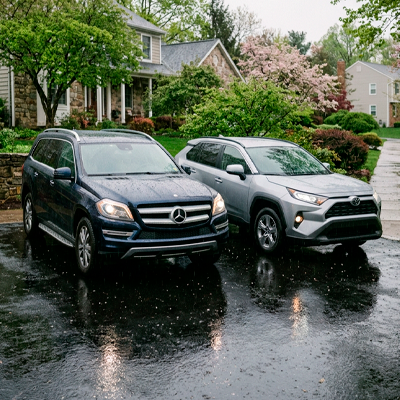
A lot of drivers reach a point where a used luxury SUV suddenly looks like the perfect deal. You scroll through listings and see a 2018 BMW X5, Audi Q7, or Mercedes GLE for the same price as a newer Honda CR-V or Toyota RAV4. The interior looks premium, the engine sounds stronger, and the technology feels far ahead of economy models from the same year.
That price gap creates temptation fast.
What many buyers discover later is that the purchase price is only the beginning of the real ownership cost. A luxury SUV that lost $35,000 in value over five years usually did not become cheap for no reason. In many cases, the second or third owner absorbs the expensive part of the vehicle’s lifespan.
The surprising part is how quickly the costs appear. Sometimes it starts within the first six months.
The monthly payment often hides the real expense
One of the most common mistakes buyers make is focusing entirely on financing approval and monthly payment size. A used luxury SUV can sometimes cost only $80 to $150 more per month than a mainstream SUV, which makes the upgrade feel justified.
But ownership costs stack together in ways many drivers underestimate.
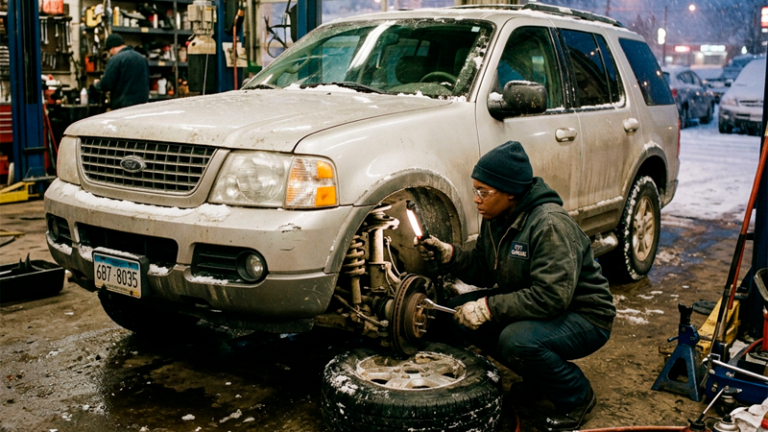
A BMW X5 that costs $28,000 may still require premium fuel only, larger tire replacements, expensive brake components, and specialized labor rates. Even routine maintenance becomes noticeably different from mainstream brands.
For example:
Oil service at a dealership can exceed $180 to $250
Run-flat tires may cost $1,200+ per set
Adaptive suspension repairs can reach $3,000
European electrical diagnostics often start near $200 just to inspect the issue
Meanwhile, a comparable Toyota Highlander or Honda Pilot may use simpler components with cheaper labor and easier part availability.
The hidden problem is psychological. Buyers feel comfortable because the vehicle itself became affordable. What stays expensive is everything after the purchase.
Mileage matters more on luxury SUVs than many people think
A mainstream SUV with 90,000 miles can still feel relatively predictable. On many luxury models, that same mileage range becomes the point where expensive systems begin aging together.
That timing matters.
Around 70,000 to 110,000 miles, several major components may start requiring attention almost simultaneously. Air suspension systems, turbochargers, cooling components, infotainment electronics, and transmission sensors often begin showing wear during the same ownership window.
This creates a dangerous situation for buyers with tight budgets.
One repair alone might be manageable. Three repairs in four months completely changes the ownership experience.
A used Audi Q7 with a clean interior and smooth test drive may still hide upcoming issues that only appear after daily commuting begins. Many electronic problems do not show during short dealership inspections.
Even worse, some luxury SUVs become difficult to repair outside specialized shops. Independent mechanics may refuse certain jobs because of calibration tools or software limitations.
That means owners lose flexibility. You often cannot shop around for cheap labor the same way you can with mainstream vehicles.
Extended warranties do not always save the buyer
A lot of dealerships use extended warranties as reassurance when selling used luxury vehicles. Buyers hear phrases like “bumper-to-bumper coverage” and assume future repairs are protected.
Reality is usually more complicated.
Some warranty contracts exclude high-cost wear items that commonly fail on aging luxury SUVs. Others require deductibles, partial labor coverage, or strict maintenance documentation.
There is also a major difference between manufacturer-backed warranties and third-party warranty companies.
A third-party provider may approve a repair, but only cover aftermarket parts instead of OEM components. In some situations, the repair shop and warranty company spend days negotiating labor rates while the owner remains without transportation.
One overlooked detail is rental coverage. Many extended warranties either limit rental reimbursement heavily or exclude it completely.
That becomes painful when repairs take weeks due to parts delays.
European luxury parts are not always immediately available in the United States, especially for older trims with uncommon options packages.
Technology ages faster than people expect
Luxury SUVs usually sell themselves through features.
Massaging seats, giant panoramic roofs, adaptive cruise control, digital dashboards, surround-view cameras, and advanced suspension systems all help justify the original sticker price. The issue is that technology does not age gracefully forever.
A basic cloth-seat SUV from Toyota or Honda can feel mechanically boring but financially stable. Luxury technology introduces more failure points every year.
For example, older infotainment systems may become slow or partially unsupported after software updates stop. Touchscreen replacements can cost thousands. Power seat modules, radar sensors, and camera systems may require dealership programming instead of simple replacement.
Some drivers assume modern vehicles became more reliable overall because engines last longer now. That is partially true mechanically, but electronic complexity changed the equation completely.
A 10-year-old luxury SUV is often less about engine reliability and more about how many expensive electronic systems still communicate properly.
That distinction surprises many second owners.
The cheapest luxury SUV listings are often the most dangerous
There is a reason certain listings sit online for weeks while others disappear within days.
The cheapest luxury SUVs usually attract buyers emotionally. The price feels impossible to ignore.
You see a Range Rover listed for $14,500 and immediately compare it mentally to newer economy SUVs at double the price. The design, badge, and features create the illusion of a smarter purchase.
But low pricing often reflects ownership risk already known by experienced buyers.
Sometimes the vehicle already has:
Pending suspension issues
Oil leaks
Electrical drain problems
Overdue transmission service
Poor maintenance history
Multiple previous owners
Luxury SUVs depreciate aggressively partly because experienced owners understand how expensive aging examples become.
That does not mean every used luxury SUV is a bad purchase. Some models age far better than others. Lexus SUVs, for example, tend to maintain stronger long-term reliability compared to many German competitors.
Still, even reliable luxury brands generally cost more to maintain than mainstream equivalents.
The smarter comparison is not “Can I afford the vehicle?”
It is usually “Can I comfortably absorb unexpected $2,000 repairs without financial stress?”
That question changes everything.
A newer mainstream SUV sometimes creates less financial pressure
A newer non-luxury SUV often feels less exciting during the test drive. The interior materials may seem simpler. The engine may feel less aggressive. The badge definitely carries less prestige.
But long-term ownership frequently becomes easier.
A newer Mazda CX-5, Honda CR-V, Hyundai Tucson, or Toyota RAV4 may offer:
Better fuel economy
Lower insurance costs
Cheaper tires
Easier maintenance access
Higher reliability predictability
Better resale stability
That stability matters more than many buyers realize.
A luxury SUV repair bill rarely arrives at a convenient time. It usually appears during another financial obligation like rent increases, medical expenses, or holiday spending.
Drivers who stretch their budget just to enter the luxury segment often discover that the stress continues long after the excitement disappears.
One non-obvious insight is that financial flexibility itself has value. Owning a vehicle that leaves room in your budget can improve daily life more than premium leather seats ever will.
A lot of former luxury SUV owners eventually admit the same thing privately: the vehicle looked successful from the outside while quietly draining cash in the background.
And once the repair cycle starts, selling the SUV becomes harder because informed buyers begin noticing the same warning signs you missed earlier.