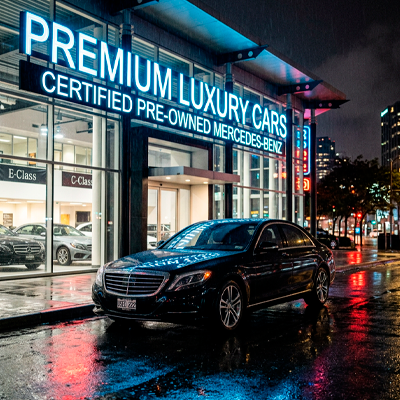
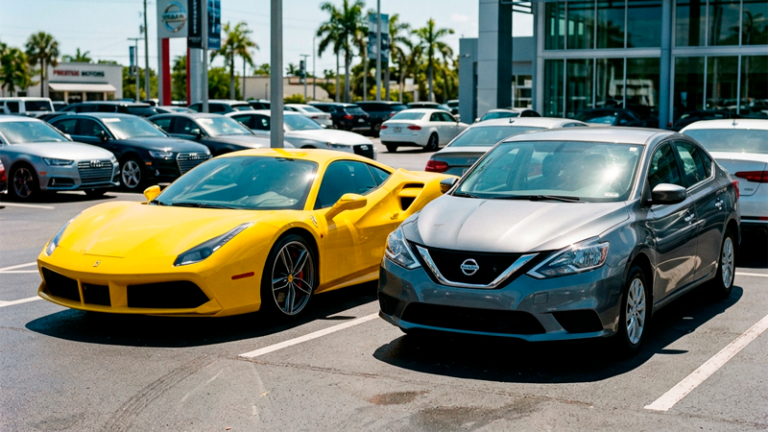
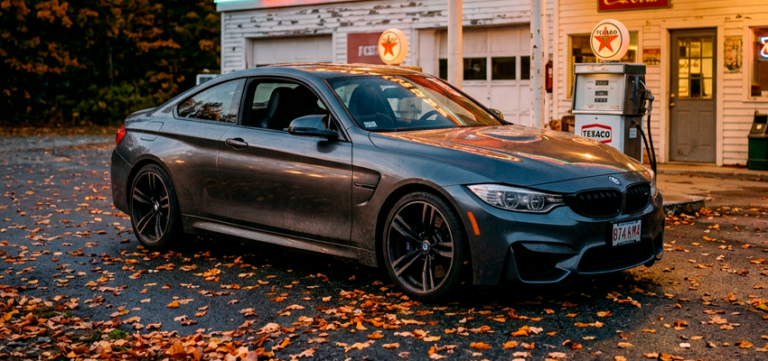
A lot of people reach a point where they realize used luxury cars suddenly look affordable.
A BMW that originally cost $72,000 is now listed for $24,000. A Mercedes with premium leather, ambient lighting, and advanced technology now has a monthly payment similar to a new economy sedan. On paper, it feels like a financial shortcut into a better lifestyle.
That illusion disappears quickly once ownership begins.
The issue is not always the purchase price. The real financial damage usually starts after the contract is signed, when maintenance, insurance, repairs, and depreciation begin stacking together month after month.
Many buyers only calculate the monthly payment. Few calculate what happens during the next three years of ownership.
Low monthly payments create dangerous confidence
One of the biggest mistakes people make with used luxury cars is assuming a lower purchase price means lower ownership costs.
It usually does not.
Banks and dealerships know buyers focus heavily on the monthly payment. Stretching financing to 72 or even 84 months can make expensive vehicles feel manageable. A $26,000 luxury SUV suddenly becomes “only” $430 per month.
That sounds reasonable until the first major repair arrives.
A single suspension issue on some European luxury vehicles can cost $1,800 to $3,500. Electronic failures often exceed $1,000 even for relatively small fixes. Meanwhile, many extended warranties contain exclusions buyers never fully read.
The payment becomes only one part of the financial burden.
There is also a psychological effect people underestimate. Once someone starts driving a premium vehicle, they often continue spending at a premium level. More expensive tires, premium fuel, higher detailing costs, dealership servicing, and luxury insurance coverage slowly become normalized.
A cheaper payment can create a much more expensive lifestyle.
Older luxury technology becomes expensive surprisingly fast
Luxury cars age differently than standard commuter vehicles.
Modern premium vehicles are packed with sensors, adaptive lighting systems, air suspensions, digital dashboards, motorized components, cameras, driver assistance systems, and complex infotainment software. Those features feel impressive during a test drive. Five years later, they become repair risks.
A used luxury sedan with 80,000 miles may still look beautiful outside while quietly approaching several expensive maintenance milestones.
For example, replacing brakes on a standard midsize sedan may cost around $400 to $700. On certain luxury performance models, buyers can easily face bills above $1,500 for brakes alone.
Even basic maintenance becomes more specialized.
Independent mechanics sometimes avoid certain luxury brands entirely because diagnostics require expensive proprietary systems. Owners then end up trapped at dealerships charging significantly higher labor rates.
The hidden cost is not just repairs. It is limited repair flexibility.
That changes ownership economics dramatically.
Depreciation traps buyers who finance too long
Many buyers finance used luxury cars for long loan terms because they want lower payments. Unfortunately, luxury vehicles often continue depreciating aggressively even after the first owner takes the biggest hit.
This creates a dangerous situation.
A person may finance a seven-year-old luxury SUV for 72 months and still owe thousands more than the vehicle is worth two years later. If an accident happens or financial problems appear, selling the car becomes difficult.
Negative equity starts growing quietly.
Someone who owes $21,000 on a car now worth $14,000 is stuck unless they bring cash to the table. Some people roll that debt into another loan, creating an even worse financial cycle.
This happens far more often than most buyers realize.
A luxury badge does not protect a vehicle from aging financially. In many cases, older luxury vehicles lose value faster because repair fears scare future buyers away.
That is one reason some used luxury models look unbelievably cheap online. The market already knows ownership costs can become brutal.
Insurance surprises hit younger buyers the hardest
A 24-year-old driver financing a used luxury sports sedan may expect a slightly higher insurance bill.
What many discover instead is a monthly premium that feels almost like a second car payment.
Insurance companies price risk based on repair costs, theft rates, accident statistics, engine performance, and replacement parts pricing. Luxury vehicles score poorly in several of those categories.
A driver paying $190 monthly for insurance on a regular sedan may suddenly face $420 or more per month on a luxury performance car.
That difference alone can exceed $2,500 annually.
Some buyers never request insurance quotes before purchasing the vehicle. They only discover the real number after signing paperwork.
This creates immediate financial pressure.
One overlooked insight is that luxury cars often require more expensive calibration after accidents because modern sensors and cameras must be reprogrammed properly. Insurance companies know this. That is part of why premiums climb so aggressively.
A lot of used luxury car purchases are emotional, not logical.
People compare themselves to friends, coworkers, social media influencers, or neighbors. They want the feeling attached to the badge. Sometimes they are trying to reward themselves after a difficult period financially or professionally.
Dealerships understand this extremely well.
That is why older luxury inventory is often marketed heavily around lifestyle imagery instead of ownership cost transparency. Buyers imagine themselves enjoying the vehicle, not sitting inside a service department waiting room hearing about a $2,400 repair estimate.
A car that feels affordable emotionally can still be unaffordable mathematically.
There is nothing wrong with buying a luxury vehicle responsibly. The problem happens when buyers use the purchase to stretch beyond financial stability.
A person earning $65,000 annually with strong savings and manageable debt may handle luxury ownership comfortably. Another person earning the same amount while carrying credit card balances and minimal emergency savings could spiral financially after one bad repair month.
The vehicle itself is not always the issue. Timing matters just as much.
Sometimes the smarter move feels less exciting
A reliable newer mainstream car often creates far less financial stress than an older luxury model.
That does not sound exciting online. Nobody posts dramatic videos celebrating dependable maintenance history and affordable replacement parts. Still, the long-term math usually favors reliability over prestige.
A well-equipped Toyota, Honda, or Mazda may lack the immediate status of a German luxury sedan, but owners frequently save thousands across fuel, repairs, insurance, and depreciation over several years.
Those savings compound quietly.
Someone avoiding just $4,000 yearly in unnecessary vehicle expenses could redirect that money toward investments, debt reduction, emergency savings, or even a future home purchase.
That is where many luxury car buyers miscalculate priorities.
The dangerous part is not buying an expensive vehicle when you are wealthy. It is buying one too early, while your finances are still fragile enough to collapse under a few unexpected bills.