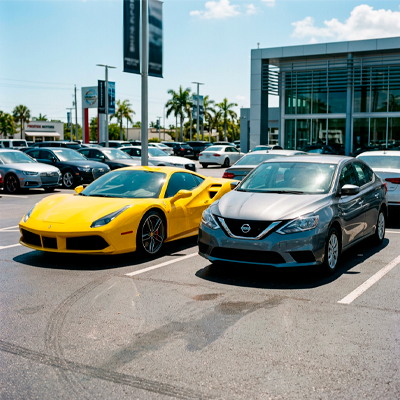
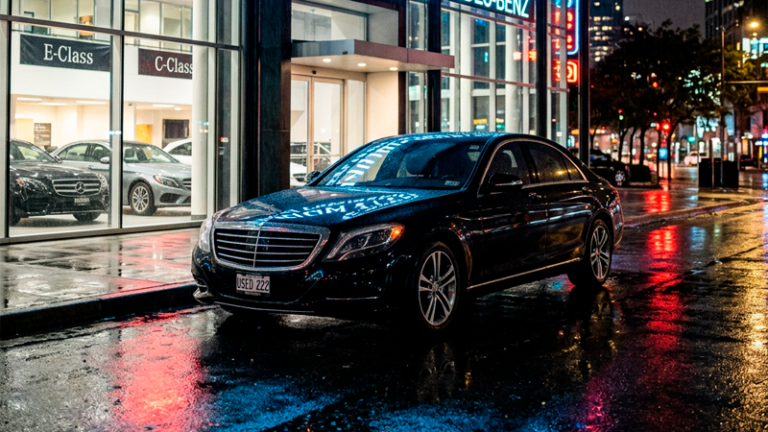
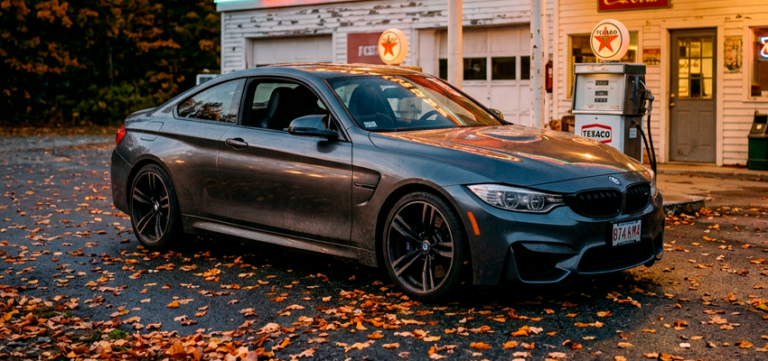
A used luxury car at $14,000 looks tempting when the dealership has a brand-new economy sedan sitting next to it for $27,000. Leather seats, panoramic roof, turbo engine, premium sound system, soft suspension — it feels like an obvious upgrade for less money.
A lot of buyers convince themselves they found a loophole in the market.
But once ownership starts, the numbers often flip in ways people don’t expect. What looked like a smarter purchase can quietly become the more expensive one within two or three years.
The biggest surprise is that used luxury cars don’t become cheap to maintain just because they become cheap to buy.
The monthly payment tricks people into ignoring the real cost
Many buyers focus almost entirely on the monthly payment. That’s usually where the mistake begins.
A five-year-old luxury SUV may have:
lower financing payments
more features
a stronger engine
better interior materials
compared to a new compact car.
At first glance, it feels like you’re getting “more car” for less money.
But the ownership costs sitting behind that payment are completely different.
A newer economy car often comes with:
factory warranty coverage
lower insurance rates
cheaper tires
simpler maintenance
better fuel economy
Meanwhile, an older luxury model may need:
premium fuel only
$1,200 brake jobs
specialized labor
expensive electronic repairs
suspension components costing thousands
A lower monthly payment can easily hide a much higher yearly ownership cost.
Some buyers discover this after the first major repair wipes out an entire year of savings.
Expensive repairs usually arrive earlier than expected
Luxury vehicles age differently from economy cars.
They contain more technology, more sensors, more motors, more electronic systems, and more performance-oriented engineering. When the vehicle is new, that feels impressive. When the vehicle reaches 70,000 to 100,000 miles, those same systems become expensive liabilities.
A used luxury sedan may still look perfect on the outside while hiding:
failing air suspension
oil leaks
transmission hesitation
electrical glitches
cooling system problems
And because many luxury cars depreciate rapidly, people assume maintenance costs also drop with age.
They don’t.
A repair shop doesn’t care that your older German SUV is now worth $11,000. If the original replacement part costs $1,800, that’s still the price.
One hidden issue can instantly erase the financial advantage of buying used luxury.
This becomes even worse when buyers stretch their budget just to afford the vehicle itself. Once repairs begin stacking together, many owners delay maintenance, which creates even bigger failures later.
Insurance companies price risk differently than buyers do
A lot of people compare only sticker prices between cars and completely skip insurance quotes until after the purchase decision is basically made.
That can be a painful surprise.
Luxury vehicles often cost dramatically more to insure because:
replacement parts are expensive
theft rates may be higher
repair labor is specialized
accident claims cost more overall
A 24-year-old driver might insure a newer economy sedan for $180 monthly, while a used luxury sports sedan of similar market value could jump to $320 or more.
That difference adds up quickly.
Over three years, an extra $140 per month becomes more than $5,000 in additional insurance costs alone.
What catches people off guard is that insurance pricing doesn’t follow used market values logically. The car may be affordable to buy, but insurers still treat it like a high-cost vehicle to repair.
Older luxury features become future problems
When buyers test drive used luxury cars, they usually focus on comfort features because that’s what feels impressive immediately.
Ventilated seats. Adaptive suspension. Soft-close doors. Digital dashboards. Ambient lighting.
Those features help sell the car emotionally.
But years later, they often become the exact components causing expensive repair bills.
A simple window switch replacement on an economy vehicle may cost under $200. A failed infotainment screen or adaptive lighting module in a luxury vehicle can easily reach four figures.
The more complex the vehicle becomes, the more opportunities there are for aging electronics to fail.
One non-obvious issue is diagnostic labor.
Luxury brands often require:
proprietary software
specialized scanners
dealership programming
trained technicians
That means even identifying the problem can cost significantly more before repairs even begin.
Some owners end up trapped in a cycle where they avoid fixing smaller issues because the diagnostic costs themselves feel excessive.
Depreciation creates psychological mistakes
There’s another side to luxury car ownership people rarely discuss.
Heavy depreciation creates the illusion of affordability.
A car originally priced at $78,000 selling for $16,000 feels like a bargain emotionally. Buyers imagine they’re accessing a higher class of vehicle for a fraction of the cost.
But depreciation is usually a warning sign, not a gift.
In many cases, the market already understands:
maintenance costs are high
reliability is inconsistent
warranty coverage is gone
repairs scare future buyers
That’s why certain luxury models lose value aggressively after several years.
Meanwhile, some economy cars with excellent reliability barely depreciate at all relative to their operating costs.
A reliable compact car that loses only $6,000 over five years while needing minimal repairs can quietly become the financially smarter vehicle, even if it feels less exciting.
Sometimes boring transportation wins financially
People rarely regret buying a reliable car during normal months.
They regret unreliable cars during emergencies.
When:
rent increases
medical bills appear
work slows down
income changes unexpectedly
the “fun” vehicle starts feeling very different.
A dependable car with cheap maintenance creates flexibility. That matters more than most buyers realize at the dealership.
Financial stress changes how a vehicle feels emotionally.
The luxury SUV that once felt rewarding can quickly become a source of anxiety once warning lights appear and repair estimates start climbing.
That doesn’t mean luxury cars are always bad purchases. Some buyers can comfortably absorb higher maintenance costs and genuinely value the driving experience.
But many consumers buy older luxury vehicles thinking only about the purchase price while ignoring the ownership reality waiting behind it.
And that mistake usually becomes obvious only after the second or third expensive repair, when selling the car suddenly feels harder than buying it ever did.