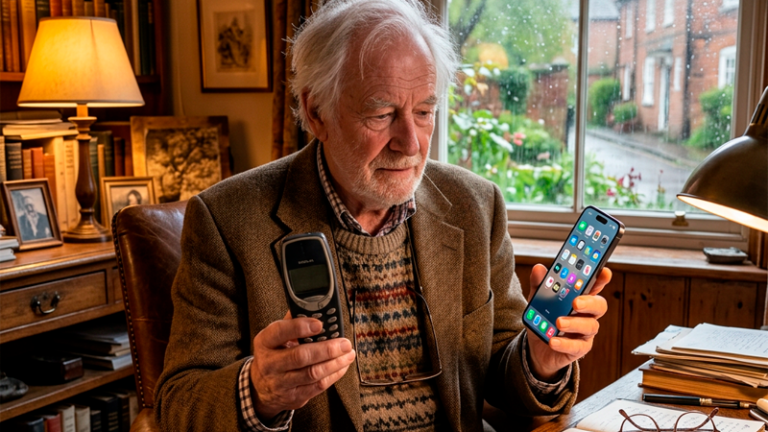
A phone starts feeling “old” long before it actually becomes unusable.
Apps open half a second slower. The battery drops faster than it used to. The camera suddenly looks worse after watching reviews of newer models online. Small annoyances begin stacking together until upgrading feels justified.
That cycle has become normal, especially with carriers pushing aggressive trade-in deals every year. But many consumers are quietly spending thousands more on smartphones than they realize because they replace devices far earlier than necessary.
The expensive part is not just the phone itself. It’s the financial pattern created around constant upgrades.
Monthly payment plans make expensive phones feel cheap
One reason smartphone spending has exploded is psychological.
Very few people walk into a store and willingly pay $1,200 upfront for a phone. But $33 per month sounds manageable. That changes how buyers evaluate the purchase completely.
Manufacturers and carriers understand this extremely well.
By spreading costs across 24 or 36 months, premium phones start feeling like small subscriptions instead of major purchases. Consumers stop comparing the actual total price and start comparing only monthly differences.
That leads to decisions like:
choosing the “Pro Max” instead of the standard version
upgrading storage unnecessarily
replacing phones after only two years
adding insurance plans they barely use
A person paying:
$38 monthly for a phone
$14 for insurance
$10 for extra cloud storage
may quietly spend over $2,200 across three years on a single smartphone setup.
What makes this worse is that many people restart financing before the previous device is fully paid off.
Battery anxiety pushes unnecessary upgrades
Battery life is one of the biggest reasons people replace phones early. And sometimes it’s justified.
But many users replace the entire device when the actual issue is just battery degradation.
A modern smartphone battery naturally loses capacity over time. After roughly 500 charging cycles, noticeable decline becomes normal. That sounds alarming until you realize a battery replacement often costs far less than buying a new device.
A $90 to $150 battery replacement can sometimes extend a phone’s useful life by another two years.
Instead, many consumers trade in perfectly functional devices because:
the battery drains faster
charging feels inconsistent
performance slightly slows down
Manufacturers rarely emphasize repairs because replacement cycles generate more revenue.
One overlooked detail is heat exposure. People who:
fast charge constantly
leave phones inside hot cars
game while charging
use cheap charging accessories
often damage battery health significantly faster without realizing it.
That creates the illusion that the phone itself is aging badly when the battery is actually the main problem.
Camera marketing changes perception more than reality
Phone companies have become extremely good at making older cameras feel outdated.
Every launch event introduces:
sharper night photography
improved zoom
cinematic video
AI-enhanced editing
larger sensors
And yes, cameras genuinely improve over time.
But many users upgrading yearly barely notice meaningful differences in daily use. Social media compression alone removes much of the visible quality advantage between newer and older flagship phones.
Most people are not limited by smartphone cameras anymore. They are limited by lighting, framing, and editing.
A three-year-old premium smartphone can still produce excellent photos for:
Instagram
TikTok
family pictures
travel content
casual video recording
Yet consumers often upgrade because marketing slowly reframes “good” cameras as inadequate.
This becomes especially expensive when buyers chase tiny improvements they rarely use outside specific situations.
Storage problems are often self-created
A surprising number of people upgrade phones because they run out of storage, not because the device itself performs badly.
Photos, duplicated videos, downloaded memes, unused apps, cached files, and automatic backups quietly fill devices over time.
Instead of cleaning storage habits, many users simply buy larger phones.
That can add:
$100 for upgraded storage tiers
extra cloud subscription fees
higher insurance costs
larger financing payments
What’s interesting is how little of that storage is actively useful.
Many consumers carry:
thousands of screenshots
blurry duplicate photos
downloaded media they forgot existed
apps untouched for months
A proper cleanup sometimes restores both performance and usability dramatically.
Digital clutter now affects smartphones the same way physical clutter affects houses. People accumulate files faster than they manage them.
Mid-range phones quietly became good enough
One major shift in the tech market is how capable mid-range smartphones have become.
A $450 phone today can often handle:
social media
streaming
photography
navigation
banking apps
casual gaming
with surprisingly few compromises for average users.
Meanwhile, flagship devices increasingly compete on premium extras:
titanium frames
extreme zoom ranges
ultra-high refresh displays
advanced AI features
desktop-style multitasking
Those features matter to some people. But many consumers pay flagship prices without actually needing flagship performance.
The gap between “good enough” and “best available” has become financially enormous.
A buyer choosing a $500 phone instead of a $1,300 flagship every three years could save enough over a decade to:
build an emergency fund
pay off debt
cover multiple vacations
replace other important electronics
Yet smartphone marketing rarely frames the decision that way.
The biggest issue with frequent phone upgrades is not the device itself. It’s the spending behavior that forms around it.
Consumers become comfortable with:
permanent monthly payments
recurring financing
yearly upgrades
subscription stacking
Eventually the smartphone stops feeling like a purchase and starts functioning like an ongoing financial drain people barely notice anymore.
And because the payments are fragmented across carriers, storage plans, insurance, streaming bundles, and accessories, the real total becomes psychologically invisible.
A phone upgrade feels exciting for about two weeks.
The payments can quietly continue for years.
People who delay upgrades strategically often discover something surprising. After the initial urge passes, the “old” phone suddenly feels completely acceptable again.
That moment usually says more about consumer psychology than technology itself.
TAGS: Smartphones, Consumer Tech, Phone Upgrades, Mobile Technology, Tech Spending