A lot of people shop for SUVs by focusing almost entirely on the monthly payment.
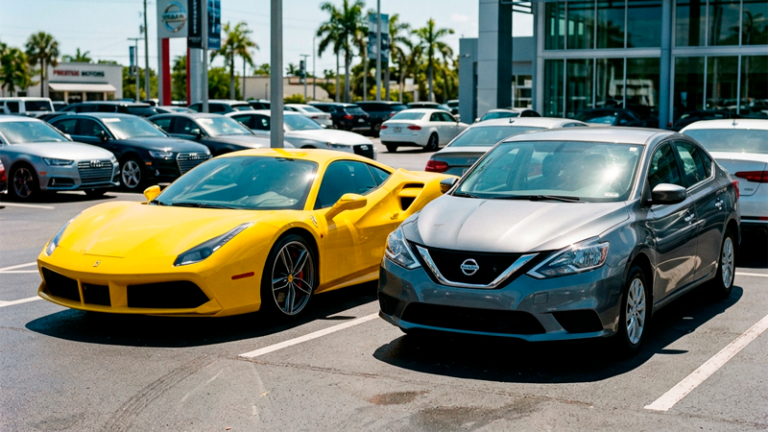
The vehicle looks impressive in the dealership parking lot. The seating position feels higher and more comfortable. Cargo space seems practical. The sales process emphasizes affordability through financing terms stretched across six or seven years.
What many buyers fail to calculate is how quickly ownership costs grow after the purchase.
Large SUVs often create a chain reaction of expenses that continue long after the excitement disappears. Fuel, insurance, tire replacement, maintenance, depreciation, and repair costs quietly turn some vehicles into financial burdens that owners never anticipated during the buying process.
For many households, the real cost of an SUV is not the sticker price. It is everything that happens during the next five years.
Fuel expenses hit harder than most buyers expect
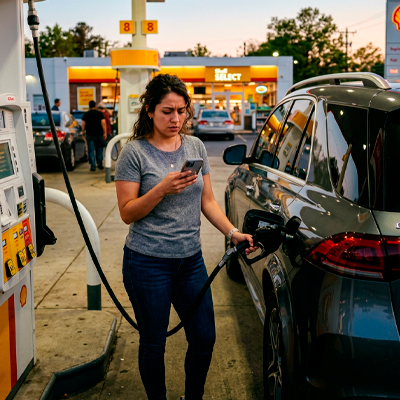
Fuel costs rarely feel dramatic during a short test drive.
The problem appears during daily use.
A midsize or full-size SUV averaging 17 to 21 MPG may not seem terrible initially, especially compared to older vehicles. Over time, however, the numbers become much more expensive than buyers estimate mentally.
A driver covering around 15,000 miles annually with gas priced near $4 per gallon could easily spend:
$2,800 to $4,500 per year on fuel alone
Thousands more compared to a smaller sedan or hybrid
Over $15,000 across five years depending on driving habits
The difference becomes larger in urban traffic, where heavier SUVs consume noticeably more fuel during stop-and-go driving.
One overlooked issue is psychological spending. Fuel purchases happen gradually, which makes the total annual cost less visible. Consumers often notice a $700 monthly payment immediately but underestimate how much recurring gas expenses quietly drain their finances over time.
Modern SUVs increasingly come with oversized wheels and low-profile tires because they look more premium on showroom floors.
That design choice becomes expensive later.
Replacing tires on larger SUVs can cost between $1,200 and $2,400 for a full set, especially on luxury trims using 20-inch or 22-inch wheels. Some performance SUV tires wear out much faster than buyers expect, particularly on heavier vehicles.
A consumer moving from a compact sedan may suddenly discover:
Brake jobs cost significantly more
Tire replacements happen earlier
Rotations become more important
Suspension wear increases faster
Alignments cost more frequently
Many dealerships never emphasize these ownership differences during the sales process because monthly financing numbers keep the conversation focused elsewhere.
The visual appeal of large wheels often hides the fact that premium tire setups directly increase long-term operating costs.
Depreciation punishes luxury SUV buyers quickly
Depreciation remains one of the least understood car expenses because it feels invisible.
A buyer spending $68,000 on a luxury SUV may assume strong resale value will protect them financially. In reality, many premium SUVs lose value aggressively during the first few years.
Some vehicles depreciate:
20% during the first year
Nearly 50% within five years
Even faster if redesigns or reliability concerns appear
That means a buyer could lose $25,000 to $35,000 in vehicle value before fully paying off the loan.
This becomes dangerous when owners finance with low down payments and long loan terms. Some consumers remain “upside down” for years, meaning the vehicle is worth less than the remaining balance owed to the bank.
One hidden problem is how luxury technology ages.
Large infotainment screens, digital dashboards, and advanced driver systems look impressive initially but can age quickly compared to simpler interiors. A vehicle loaded with trendy technology today may feel outdated surprisingly fast once newer models arrive.
Insurance prices increase faster on larger vehicles
Insurance costs have climbed sharply over the past few years, especially for expensive SUVs packed with sensors and cameras.
Minor accidents now involve far more than replacing a bumper.
A simple parking collision may require recalibrating:
Blind-spot monitoring systems
Parking sensors
Front cameras
Radar components
Adaptive cruise hardware
Repairs that once cost a few hundred dollars can now exceed several thousand.
For younger drivers or families living in high-traffic cities, insurance premiums on newer SUVs may easily reach $250 to $450 monthly depending on location and driving history.
Some consumers discover their insurance costs only after completing the purchase process, which creates immediate financial pressure.
One non-obvious issue is theft risk. Certain SUVs become extremely popular theft targets because of high resale demand for parts and export markets. Insurance companies adjust premiums aggressively once theft statistics rise for specific models.
Most people rarely use the full capability of large SUVs
One uncomfortable reality for many buyers is how little they actually use the extra capability they paid for.
Three-row SUVs often spend years transporting one or two passengers. Off-road packages rarely leave paved roads. Towing capacity remains unused despite increasing fuel consumption every single day.
This does not mean SUVs are bad purchases. Many families genuinely benefit from the space, safety feeling, and versatility.
The issue is mismatch.
A buyer may choose a large SUV because of occasional scenarios that happen only twice per year:
Holiday travel
Moving furniture
Road trips
Visiting relatives
Carrying sports equipment
Meanwhile, the vehicle creates higher costs every single week.
In many situations, a smaller crossover or hybrid SUV solves 90% of daily needs while cutting ownership expenses dramatically.
Long financing terms make expensive vehicles feel affordable
One major reason expensive SUVs continue selling well is financing structure.
Stretching loans to 72 or even 84 months reduces monthly payments enough to make high-priced vehicles appear manageable. Consumers focus on whether the payment fits their current budget instead of calculating the total long-term commitment.
A $75,000 SUV financed over seven years with interest may ultimately cost tens of thousands more than the original sticker price.
During that same period, owners still face:
Maintenance costs
Registration fees
Fuel expenses
Insurance increases
Tire replacements
Potential repairs after warranty expiration
By the fifth or sixth year, many owners want another vehicle while still carrying financial fatigue from the previous purchase.
One practical insight many shoppers ignore is that higher-end vehicles often create “lifestyle inflation.” After adjusting to expensive monthly payments, premium fuel, and luxury maintenance costs, consumers normalize spending levels that quietly reduce their ability to save or invest elsewhere.
Buying slightly less vehicle can improve financial flexibility
A lot of consumers shop emotionally first and financially second.
The larger engine, luxury trim, panoramic roof, upgraded wheels, and premium badges feel exciting during the purchase experience. A few years later, many owners care more about financial breathing room than extra horsepower.
Choosing a slightly smaller or simpler SUV can free thousands of dollars annually that could instead go toward:
Emergency savings
Travel
Paying down debt
Home improvements
Investments
Lower financial stress
The difference between a fully loaded SUV and a practical midrange alternative may look small monthly, but over five or six years, the gap becomes massive.
Many people realize too late that cars affect cash flow long after the dealership experience is forgotten.