For years, buying a high mileage SUV looked like a smart financial shortcut.
Families could avoid a $700 monthly payment, pay cash for an older vehicle, and still get the space they needed for kids, road trips, groceries, sports equipment, and daily commuting. Around 2018 to 2022, this strategy worked surprisingly well for many buyers.
That calculation is changing fast.
A growing number of older SUVs now come with repair costs that feel completely disconnected from their resale value. Owners are spending $2,400 on suspension work for vehicles worth $6,000. Others are facing transmission quotes larger than their emergency savings.
What catches people off guard is that many of these problems do not appear immediately after purchase. The SUV may drive perfectly during the test drive, then slowly turn into a monthly expense machine within a year.
Large SUVs age differently than sedans
A lot of buyers compare an older SUV to an older sedan and assume maintenance will increase at roughly the same pace.
That rarely happens.
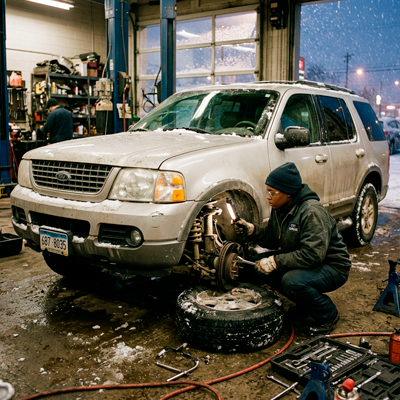
Heavier vehicles place far more stress on transmissions, suspension systems, brakes, wheel bearings, and cooling components. A midsize SUV weighing over 4,500 pounds simply wears parts differently than a compact commuter car.
One mechanic in Texas explained that customers often underestimate how expensive “normal aging” becomes once SUVs cross 120,000 miles.
A repair that feels minor suddenly involves:
larger tires
heavier brake assemblies
more labor hours
more expensive suspension parts
AWD or 4WD components
Even basic maintenance changes financially.
Replacing four tires on a family SUV can easily cost $1,000 to $1,500 for decent quality brands. Full brake jobs regularly land between $700 and $1,400, depending on rotor size and electronic systems.
People remember the cheap purchase price. They forget the ownership costs continue scaling with the size of the vehicle.
Cheap used SUVs became harder to trust after the pandemic
During the vehicle shortage years, many owners delayed maintenance because repair costs increased sharply.
That created a hidden problem in the used market.
Some SUVs currently being sold at attractive prices skipped:
transmission servicing
differential fluid changes
cooling system maintenance
suspension repairs
timing component replacements
The exterior may still look clean. The interior may still feel modern. But underneath, deferred maintenance keeps accumulating quietly.
A family buying a used three-row SUV for $11,000 may unknowingly inherit $4,000 to $8,000 in delayed repairs over the next 18 months.
That situation becomes worse with vehicles that spent years towing trailers or carrying heavy cargo.
A surprising number of buyers never ask what the SUV was actually used for before purchase.
The monthly payment trap pushes buyers into older vehicles
A lot of families are not buying older SUVs because they want to.
They are doing it because newer vehicles became financially unrealistic.
A new three-row SUV can easily exceed:
$52,000 purchase price
$800 monthly payment
higher insurance premiums
higher registration taxes
expensive dealer financing rates
That pressure pushes buyers toward vehicles with 130,000 to 180,000 miles instead.
On paper, paying $9,500 cash sounds safer than committing to a massive loan. In some cases, it absolutely is.
But there is a less obvious risk.
When buyers spend nearly their entire savings on the vehicle itself, they leave no room for the repair cycle that often arrives afterward. A transmission failure six months later suddenly becomes a financial emergency instead of an inconvenience.
That is one reason some mechanics quietly recommend buyers keep at least 30% to 40% of the vehicle budget reserved for post-purchase repairs.
Very few people actually do it.
Luxury SUVs create the biggest surprises
Older luxury SUVs often look like incredible deals.
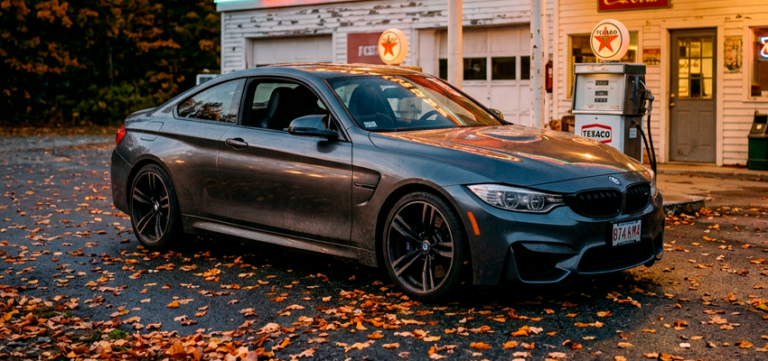
A used Range Rover, BMW X5, or Mercedes-Benz GLS can appear dramatically cheaper than newer mainstream SUVs while still offering premium interiors, panoramic roofs, advanced sound systems, and powerful engines.
That illusion disappears during repairs.
Air suspension systems alone can generate repair bills between $2,000 and $6,000. Turbocharged engine repairs become extremely expensive once oil leaks, cooling issues, or electronic failures begin stacking together.
Some owners spend more repairing a 10-year-old luxury SUV than they would have spent financing a newer reliable crossover.
The biggest mistake happens when buyers assume a used luxury SUV will have mainstream repair pricing because the purchase price dropped.
It does not work that way.
A vehicle originally engineered as a $90,000 luxury product usually continues carrying luxury-level repair costs long after depreciation destroys its resale value.
The inspection mistake that keeps costing people money
A lot of buyers still skip pre-purchase inspections because the SUV “feels fine” during a short drive.
That decision can become extremely expensive.
Some serious issues barely show symptoms at first:
early transmission slipping
coolant leaks
frame rust
failing transfer cases
hidden accident repairs
worn suspension bushings
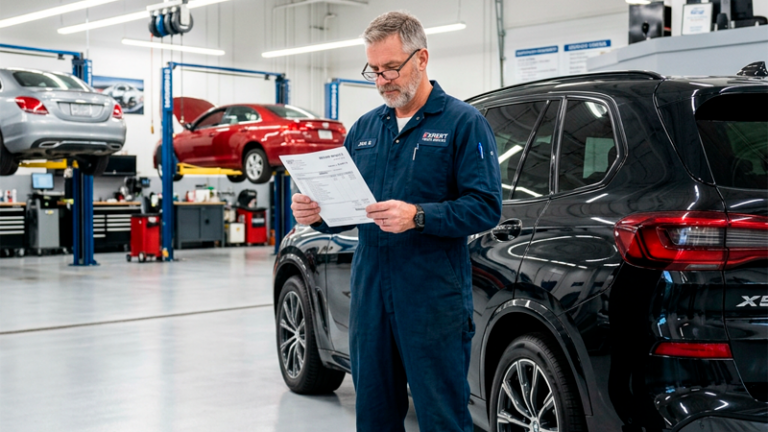
A proper inspection costing $150 to $250 can sometimes reveal thousands in upcoming repairs before money changes hands.
One independent shop owner in Florida said he regularly sees buyers bring recently purchased SUVs for inspection after the sale instead of before it. By then, the problems already belong to them.
That single timing mistake changes everything.
Fuel costs are quietly hurting long-term ownership
Gas prices alone are not the entire issue.
Older SUVs often combine:
lower fuel efficiency
larger fuel tanks
aging oxygen sensors
carbon buildup
declining engine efficiency
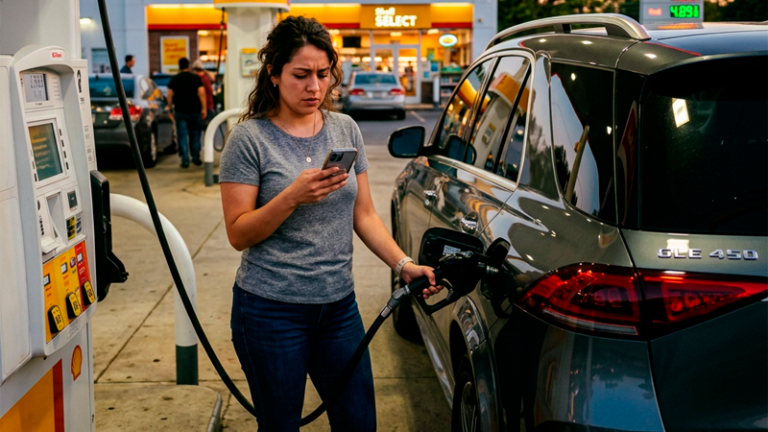
A newer crossover getting 32 MPG creates a completely different ownership experience than an older V8 SUV averaging 14 to 16 MPG.
Over two years, the difference can quietly reach thousands of dollars in fuel alone, especially for families commuting daily.
That ongoing expense matters more than people expect because it compounds alongside repairs, insurance, registration, and tire replacements.
A vehicle that seemed affordable during purchase slowly becomes expensive through accumulation rather than one catastrophic moment.
Reliable older SUVs still exist but buyers need patience
Not every high mileage SUV is a disaster.
Some older models from Toyota and Honda continue performing well past 200,000 miles when maintained properly.
But buyers who find good long-term vehicles usually approach the process differently.
They look for:
complete maintenance records
consistent oil changes
highway mileage
single-owner history
original drivetrain components
signs of preventive maintenance
They also avoid rushing.
One overlooked insight in the used market is that desperate sellers often create urgency on purpose. “First person with cash gets it today” pressures buyers into skipping inspections and ignoring warning signs.
The cheapest SUV upfront is not always the cheapest SUV six months later.
That difference becomes painfully clear once repairs start arriving faster than the owner can financially recover from them.