A lot of drivers buy extended car warranties for one reason. Fear.
Nobody wants to deal with a sudden $3,800 transmission repair or a $1,400 air conditioning replacement right after their factory coverage expires. Dealers and third-party companies know that, which is why warranty offers usually appear right when people feel financially vulnerable after buying a car.
The problem is that many low-cost warranty plans look far better on paper than they work in real life. What sounds like “full protection” often turns into limited repair coverage, denied claims, expensive deductibles, and repair restrictions that drivers only discover after something breaks.
Some vehicle owners still come out ahead with extended coverage. But many end up paying thousands for protection that barely covers the repairs they actually need.
The monthly payment hides the real cost
One of the biggest reasons people accept extended warranties is psychological. A $95 monthly payment feels manageable compared to the idea of a massive repair bill later.
But those numbers add up fast.
A five-year warranty at $110 per month costs $6,600 before deductibles, inspection fees, or uncovered repairs. Many drivers never calculate the full amount because the payment gets bundled into financing paperwork during the car purchase.
That creates a dangerous situation where buyers focus on the monthly payment instead of total ownership cost.
A common example looks like this:
Warranty cost financed into loan: $4,900
Loan interest over 72 months: about $1,100
Deductibles during repairs: $300 to $800 total
Out-of-pocket uncovered items: another $500 to $2,000
Suddenly, a “protective plan” can quietly become a $7,000 expense attached to a car that may never even need major repairs.
Meanwhile, many modern vehicles never experience catastrophic failures during the exact period those warranties are active.
Repair coverage is usually narrower than people expect
Most drivers assume “bumper-to-bumper” means nearly everything is covered.
That assumption causes a huge amount of frustration later.
Many extended warranty contracts exclude:
Sensors
Interior electronics
Infotainment systems
Trim components
Water leaks
Suspension wear
Rubber seals
Battery-related failures in hybrids or EVs
Diagnostic labor in some situations
Even worse, companies often classify failures as “wear and tear” instead of mechanical breakdowns. That wording matters because wear items are frequently excluded from reimbursement.
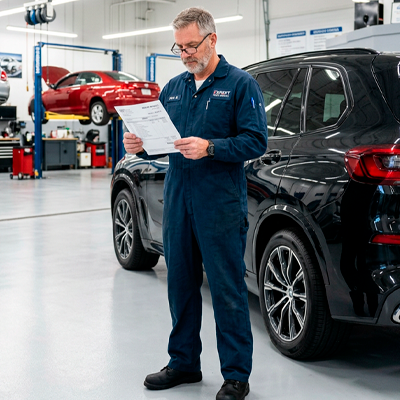
One repair shop owner in Arizona explained that customers regularly arrive believing their warranty covers the issue, only to discover the contract excludes the exact failed component.
A failed touchscreen inside a newer SUV can cost over $1,200 to replace, yet many cheaper warranty packages refuse coverage because the failure is labeled as an electronic convenience feature instead of a core mechanical system.
That small contract language difference changes everything.
Dealers make enormous profit margins on these plans
Many consumers think extended warranties are sold mainly to protect customers. In reality, dealerships often make more profit on warranties than on the vehicle itself.
Finance departments can receive commissions worth thousands of dollars per contract depending on the provider and markup.
That explains why buyers sometimes hear the same lines repeatedly:
“Repairs are much more expensive now”
“Modern cars are basically computers”
“You’ll regret not having protection”
“Most people add this coverage”
Some of those statements contain partial truth. Repair costs really have increased. Electronics really are more expensive. But that does not automatically mean every warranty becomes a smart financial decision.
A well-maintained Toyota, Honda, or naturally aspirated Mazda with strong reliability history may statistically cost less in repairs than the total warranty premium itself.
That is especially true for drivers who:
keep cars under 100,000 miles
drive mostly highway miles
follow maintenance schedules carefully
avoid high-risk luxury models
The important comparison is not “repair costs versus fear.” It is repair probability versus warranty cost.
The fine print changes the experience completely
Most buyers never fully read the contract before signing.
That creates problems later when repair authorization becomes complicated.
Some warranty companies require:
pre-approval before repairs begin
approved repair networks only
maintenance documentation
inspection procedures
partial teardown verification
Missing oil change records alone can sometimes trigger claim disputes.
A surprising number of denied claims happen because companies argue improper maintenance contributed to the failure. Drivers may believe they maintained the vehicle correctly, but if records are incomplete, reimbursement becomes harder.
This catches people off guard because sales presentations rarely focus on the claims process itself.
The easiest moment to sell a warranty is before the customer understands how difficult reimbursement can become.
Luxury vehicles change the equation
There are situations where extended warranties genuinely make financial sense.
Luxury German vehicles are one example.
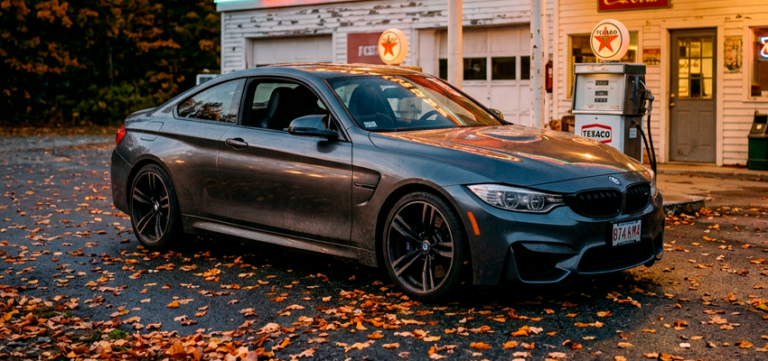
A single air suspension repair on certain models from BMW or Mercedes-Benz can exceed $3,000 to $5,000. Turbocharged engines, adaptive electronics, complex cooling systems, and performance parts dramatically increase repair exposure.
For owners planning to keep these vehicles long term, high-quality manufacturer-backed warranties can reduce financial volatility.
But even then, buyers need to compare carefully.
There is a huge difference between:
factory-backed coverage
dealership-backed plans
independent third-party warranty companies
Factory-backed plans typically offer smoother claims approval and broader repair compatibility. Cheaper third-party plans often rely on stricter reimbursement controls to stay profitable.
That distinction matters more than the monthly price.
Some drivers would save more by creating their own repair fund
One overlooked alternative is simple self-insurance.
Instead of paying $120 monthly to a warranty provider, some drivers place that money into a dedicated savings account for future repairs.
After four years, that fund could contain:
about $5,700 with modest interest
complete flexibility on repair shops
no claim approvals
no denied coverage battles
no mileage restrictions
This approach obviously carries risk. One catastrophic engine failure could wipe out the fund instantly.
But statistically, many drivers with reliable vehicles would still spend less overall compared to paying years of warranty premiums plus deductibles.
The decision becomes more interesting when buyers research their exact model’s failure history instead of buying coverage emotionally.
A transmission known for repeated failures changes the math entirely. A highly reliable naturally aspirated sedan may not.
Cheap warranties often create delayed repairs
One issue people rarely discuss is repair timing.
Independent mechanics sometimes avoid working with difficult warranty companies because reimbursement delays slow down business operations.
That can leave customers stuck waiting days for claim approval while their vehicle sits partially disassembled in a repair bay.
In lower-cost plans, labor reimbursement rates may also fall below local market pricing. Some repair shops refuse those jobs entirely unless customers cover the difference themselves.
Drivers expecting a smooth “drop off and drive away” experience often discover the process becomes stressful exactly when they need help most.
That frustration has real financial consequences too:
rental car expenses
missed work
rideshare costs
delayed travel
towing complications
Those secondary costs rarely appear in warranty advertisements.
The smartest buyers look at reliability before buying the car
One practical mistake happens before warranties even enter the conversation.
People buy unreliable vehicles first, then try using warranties as protection afterward.
That usually leads to expensive ownership either way.
A more effective strategy is choosing:
vehicles with proven long-term reliability
simpler powertrains
lower electronic complexity
strong repair part availability
lower average maintenance costs
Spending extra on a dependable vehicle upfront often saves more money than buying a risky model with expensive warranty coverage attached later.
Some buyers focus heavily on horsepower, giant touchscreens, or luxury branding while ignoring long-term repair patterns entirely. That decision affects ownership cost far more than most realize.
A flashy SUV with poor reliability can quietly become a monthly financial leak for years, even if the initial payment looked affordable.
People usually notice the purchase price first. Experienced car owners pay attention to the years after the purchase.