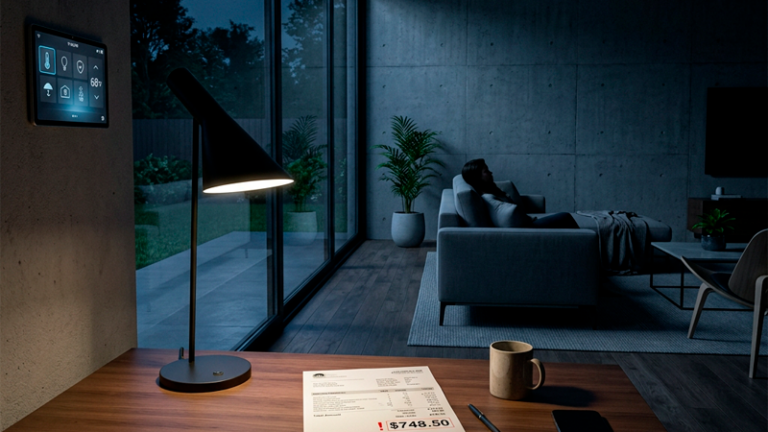
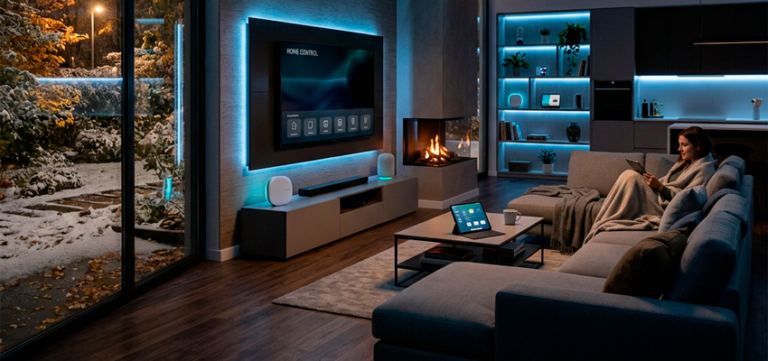
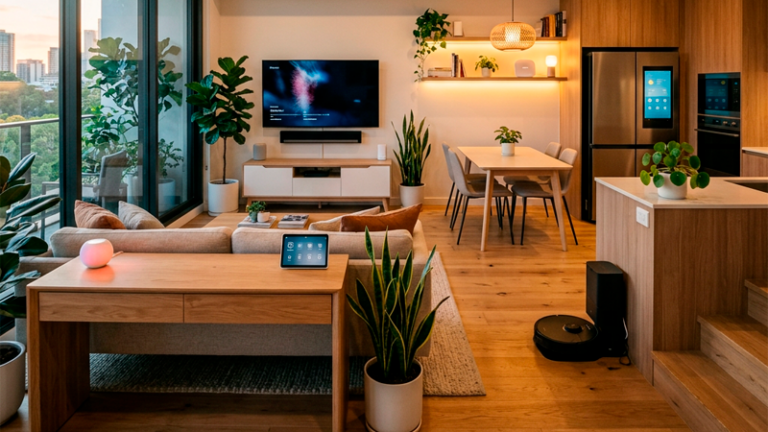
A few years ago, smart home gadgets were mostly associated with convenience. People bought a smart thermostat, maybe a video doorbell, and stopped there. Now entire apartments and houses are packed with connected devices running 24 hours a day.
Smart lights, Wi-Fi cameras, voice assistants, robotic vacuums, smart TVs, connected speakers, automated blinds, air quality monitors, leak sensors, gaming hubs, and cloud-connected appliances all sound efficient individually. The issue starts when homeowners never calculate the combined cost of keeping dozens of devices permanently online.
Many families expect smart homes to reduce expenses. In some cases, they actually do the opposite.
The hidden electricity usage most homeowners never measure
One smart device barely changes an electricity bill. Twenty devices running constantly can.
A single smart camera may consume only 2 to 5 watts per hour, which sounds insignificant. But homes with four or five cameras, multiple hubs, and several always-on displays can quietly add noticeable usage over a full year.
The bigger problem is standby consumption.
Most connected devices never fully shut down. They stay active waiting for commands, syncing to cloud servers, downloading updates, or maintaining Wi-Fi connections. That background activity continues day and night, including while people sleep or travel.
A smart speaker left plugged in all year might only add $10 to $20 annually. A connected entertainment setup with smart TVs, consoles, speakers, streaming boxes, and standby hubs can easily push beyond $250 to $400 per year in idle energy use alone depending on local electricity prices.
People rarely notice because the increase happens gradually.
One extra device becomes three. Three becomes fifteen.
Then utility bills start climbing without an obvious explanation.
Cheap smart devices often create expensive network problems
A mistake many homeowners make is buying low-cost smart home products from random online marketplaces without checking software quality or long-term support.
The device itself may cost only $18 or $25. The real cost appears later.
Some cheaper devices constantly reconnect to Wi-Fi networks because of unstable firmware. Others flood the router with traffic requests, slowing internet performance across the entire home. Families then assume the internet provider is the problem and upgrade to more expensive plans unnecessarily.
A $30 smart plug can indirectly lead to a $35 monthly internet upgrade simply because the home network became overloaded with poorly optimized devices.
This happens more often in houses using older routers from internet providers. Once 30 or 40 connected products compete for bandwidth, performance problems start appearing in places people do not immediately associate with smart devices.
Video calls lag. Streaming buffers. Security cameras disconnect randomly.
Instead of identifying the real cause, many people keep adding hardware.
Subscription fatigue is becoming part of the smart home industry
One of the least discussed costs in home technology is recurring subscriptions.
A large number of smart devices now lock important features behind monthly plans. Security cameras charge for cloud recording. Smart doorbells require subscriptions for event history. AI-powered monitoring systems charge for facial recognition or package detection.
Individually, the pricing looks harmless.
- $3.99 for one camera
- $7.99 for cloud backup
- $5 monthly AI detection
- $9.99 family monitoring access
But stacked together, many homes quietly end up paying $40 to $80 every month just to maintain features that owners assumed were included when they bought the devices.
That changes the real ownership cost dramatically.
A $120 camera system may actually cost over $1,000 within three years after subscriptions, upgrades, taxes, and replacement accessories are included.
Manufacturers know most buyers focus heavily on upfront price while ignoring long-term software costs.
Smart thermostats do save money sometimes
Not every smart device is financially questionable.
Some technology products genuinely improve efficiency when used correctly. Smart thermostats are one of the better examples, especially in regions with expensive heating or air conditioning costs.
But even here, expectations often become unrealistic.
Marketing frequently suggests dramatic savings without explaining that results depend heavily on behavior. A homeowner who already manages temperature carefully may save very little after spending $250 to $400 on a premium thermostat setup.
Meanwhile, someone who leaves air conditioning running constantly while away from home could save hundreds annually with automation.
The device itself is not automatically efficient. The savings come from behavior changes and automation habits.
That distinction matters.
Privacy tradeoffs are starting to influence buying decisions
A growing number of consumers are becoming uncomfortable with how much data smart homes collect.
Voice assistants continuously listen for wake commands. Cameras monitor movement patterns. Smart TVs track viewing behavior. Some apps collect device usage statistics, location information, and interaction history.
For many people, convenience still outweighs privacy concerns. Others are starting to reconsider how many connected products they actually need.
An overlooked issue is resale value.
Homes overloaded with outdated smart integrations can become frustrating for future buyers. Older systems sometimes depend on discontinued apps, unsupported cloud platforms, or accounts tied to previous owners.
Instead of increasing value, badly integrated smart setups can create expensive cleanup work during home sales or renovations.
The replacement cycle moves faster than most people expect
Traditional appliances often last 10 to 15 years.
Smart devices rarely do.
A connected camera purchased today may stop receiving updates within four years. Battery-powered sensors degrade. Apps lose support for older hardware. Compatibility breaks after phone operating system updates.
Some manufacturers quietly abandon products far earlier than consumers expect.
That creates a replacement cycle closer to smartphones than appliances.
A homeowner who gradually builds a fully connected house may eventually face replacement costs every few years across dozens of devices simultaneously. Batteries, hubs, adapters, subscriptions, and compatibility upgrades start stacking together.
The long-term maintenance cost of a smart home is usually underestimated during the buying phase.
The smartest setups are usually the simplest ones
People often assume more automation means a better home setup.
In practice, the most reliable systems are usually selective.
A household that installs a few genuinely useful products — such as a smart thermostat, efficient lighting automation, and a strong security setup — often experiences fewer problems and lower ongoing costs than homes packed with unnecessary gadgets.
Many experienced tech users eventually move in the opposite direction. After years of adding devices, they start removing products that create friction, maintenance headaches, subscription costs, or privacy concerns.
That shift is becoming more common because connected technology no longer feels experimental. Consumers now have enough experience to see the hidden downsides that early marketing rarely mentioned.
A smart home can absolutely improve convenience. But convenience and efficiency are not always the same thing. Some households end up saving time while quietly spending far more money every month than they originally planned.
The difference usually comes down to one decision most buyers skip entirely before purchasing connected devices.
Actually calculating the long-term cost.