A lot of people buy smart home devices expecting lower utility bills. Smart thermostats promise energy efficiency. Smart plugs claim to reduce wasted electricity. Automated lighting systems advertise convenience without higher costs.
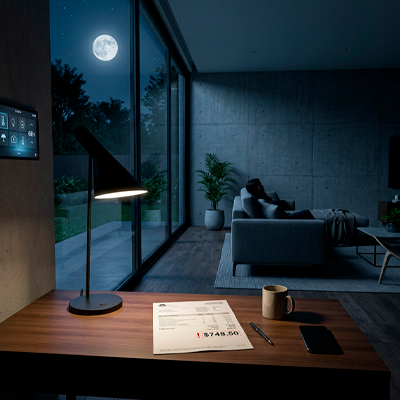
But after a few months, some homeowners start noticing something unexpected. Electricity usage slowly climbs instead of dropping. In some cases, monthly utility bills increase by $20 to $80 per month without any major lifestyle change.
The issue usually is not one single device. It is the accumulation of small energy draws, cloud-connected systems, subscription features, poor automation setups, and devices that quietly stay active all day.
For many households, the convenience becomes real. So do the hidden costs.
Smart devices rarely stay truly off
One of the biggest misunderstandings around smart home technology is power usage during idle time.
Traditional appliances often shut down almost completely when not in use. Smart devices behave differently. Many remain connected to Wi-Fi 24 hours a day, constantly syncing with apps, waiting for voice commands, downloading updates, or communicating with cloud servers.
A single smart speaker may only use 2 to 4 watts while idle. That sounds insignificant. But modern homes often have:
3 smart speakers
12 smart bulbs
4 indoor cameras
2 smart TVs
video doorbells
streaming boxes
smart plugs
smart assistants
automated hubs
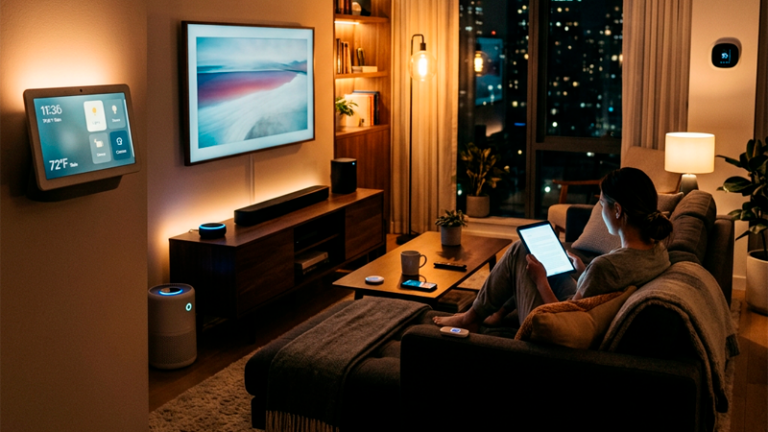
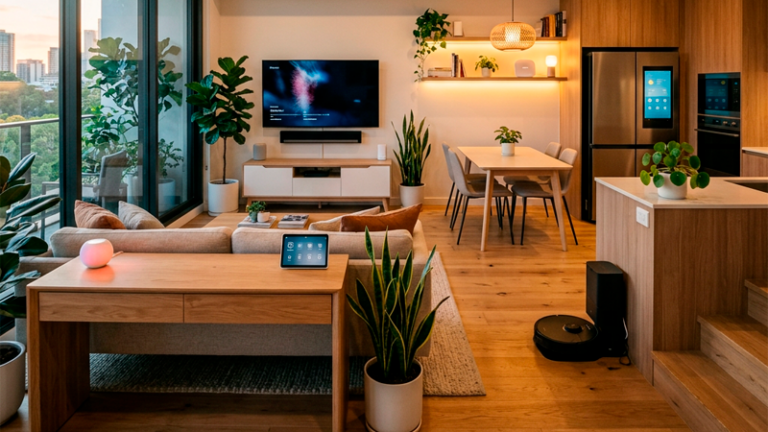
Suddenly, the house has 20 to 40 connected devices running continuously.
Energy experts sometimes call this “phantom load” or “vampire power.” Individually, the numbers look harmless. Together, they create a permanent baseline electricity draw that never disappears.
In areas with high electricity prices like California, Massachusetts, or parts of Texas during summer peak rates, that constant background usage becomes surprisingly expensive over a year.
Smart thermostats can backfire with bad automation
Smart thermostats genuinely help some households reduce costs. But they are not automatic money savers.
A poorly configured system can easily increase heating and cooling expenses instead.
One common mistake happens when homeowners become overly comfortable adjusting temperatures remotely. Before smart systems existed, people often left the thermostat alone. Now many users constantly tweak temperatures from their phones throughout the day.
That convenience changes behavior.
A homeowner might raise the heat before getting home from work, cool bedrooms earlier at night, or leave climate schedules running during vacations because they forgot to disable them.
Small changes in HVAC behavior create large utility impacts.
For example, lowering air conditioning temperatures from 74°F to 69°F during summer can increase cooling costs by 10% to 20% depending on insulation and climate.
Some automation routines also conflict with real household habits. Motion sensors may repeatedly activate lighting or climate adjustments unnecessarily. Smart vents sometimes force HVAC systems to work harder than intended, especially in older homes.
The result is ironic. A device purchased to save money can quietly increase energy consumption every day.
Subscription features are becoming part of the real cost
A growing number of smart home products no longer function fully without subscriptions.
Security cameras are a major example. Many affordable systems advertise low upfront prices, but cloud storage plans often cost between $6 and $30 monthly depending on camera count and recording quality.
That changes the financial equation completely.
A homeowner who installs:
4 cameras
cloud recording
smart alarm integration
professional monitoring
may end up spending over $400 yearly after installation costs.
Some companies also restrict advanced features behind monthly plans:
AI motion detection
package recognition
extended video history
emergency dispatch integration
device backup services
The hardware itself becomes only part of the expense.
What catches many consumers off guard is how these subscriptions stack together over time. A household may already pay for:
streaming services
cloud storage
music subscriptions
internet upgrades
Then smart home subscriptions quietly join the list.
A $9.99 monthly fee rarely feels serious in isolation. Five separate smart home subscriptions absolutely do.
Wi-Fi upgrades create another hidden expense
As smart devices multiply, many households discover their existing internet setup struggles to keep up.
Weak signal coverage becomes common once cameras, TVs, assistants, phones, tablets, gaming systems, and automation hubs all compete simultaneously.
That often leads to:
mesh router purchases
faster internet plans
Wi-Fi extenders
professional network installations
A homeowner may initially spend $80 on smart bulbs, then unexpectedly spend another $350 upgrading network hardware to stabilize the system.
Internet providers also benefit from this trend. Homes with heavy smart device usage frequently move into more expensive plans because video doorbells, security cameras, and cloud syncing constantly consume bandwidth.
One overlooked issue is upload speed. Security cameras continuously uploading footage can strain slower internet plans badly. Some households only realize this after video calls start lagging or streaming quality drops.
At that point, upgrading becomes difficult to avoid.
Cheap smart devices often fail faster
Many budget smart home products look attractive initially because prices dropped aggressively over the last few years.
But low-cost smart devices often age poorly.
Unlike regular appliances, connected devices depend on:
software support
app compatibility
server infrastructure
firmware updates
When manufacturers abandon products, devices may partially stop working even if the hardware still functions physically.
Consumers then replace:
smart bulbs after two years
cameras after app shutdowns
hubs after compatibility issues
plugs after connectivity failures
This replacement cycle becomes expensive faster than many homeowners expect.
A traditional LED bulb might last 10 years with no maintenance. A cheap smart bulb may become unreliable after software updates or connection instability within a fraction of that time.
The replacement cost matters more than the original discount.
Some homeowners also underestimate how frustrating incompatible ecosystems become. Mixing devices from different brands often creates app overload, automation failures, and syncing problems that lead people to rebuild entire systems from scratch.
The convenience changes household behavior
One of the least obvious effects of smart homes has nothing to do with hardware.
It changes human behavior.
People tend to use things more often once access becomes frictionless.
Smart lighting encourages lights staying on longer because turning them off manually disappears. Voice assistants make entertainment systems activate more frequently. Remote access encourages climate control adjustments at times people previously tolerated mild discomfort.
That behavioral shift matters financially.
A family that previously turned lights off aggressively may become less disciplined once automation handles everything. Outdoor lighting schedules may run longer than necessary simply because nobody notices anymore.
Convenience removes friction. Sometimes that is useful. Sometimes it quietly increases consumption.
Researchers studying energy behavior have repeatedly noticed that efficiency gains often shrink once users feel more comfortable consuming additional energy elsewhere.
A homeowner might save electricity with LED smart bulbs while simultaneously using lighting in more rooms for longer periods each evening.
The efficiency technically exists. The behavior cancels part of the savings.
Not every smart upgrade is financially worth it
Some smart home technology absolutely provides value. Smart thermostats can reduce HVAC costs in larger homes. Leak detectors can prevent catastrophic water damage. Smart plugs help monitor heavy appliance usage.
But many purchases happen because devices look modern, not because they solve expensive problems.
That distinction matters.
A household spending:
$1,200 on smart upgrades
$300 yearly on subscriptions
higher electricity usage
router upgrades
replacement devices
may never recover the promised savings at all.
The most cost-effective smart homes are usually the simplest ones. Homeowners who carefully choose a few high-impact devices often spend less long term than people trying to automate every corner of the house.
The biggest utility savings usually come from insulation, HVAC maintenance, appliance efficiency, and energy habits, not from filling a home with connected gadgets.
A smart home can absolutely become more efficient. But without careful planning, it can also become a slow-moving monthly expense that feels invisible until utility bills and subscriptions start piling together.