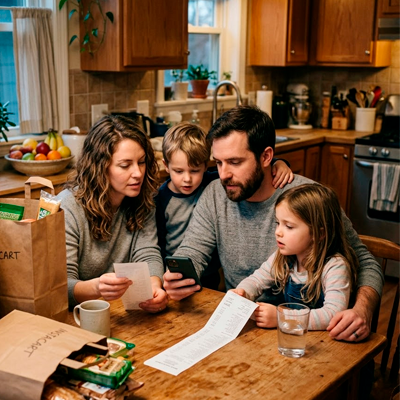
For a lot of households, grocery delivery apps started as a convenience and slowly became part of the weekly routine.
A quick order after work feels easier than driving to the store, waiting in checkout lines, and carrying bags home. During busy weeks, it can feel like a lifesaver. But many families never stop to calculate how much extra money disappears through delivery markups, impulse purchases, service fees, and subscription traps over an entire year.
What looks like a small convenience expense often turns into hundreds or even thousands of dollars in hidden annual costs.
The surprising part is that most of those extra charges are designed to feel invisible during checkout.
Small grocery markups quietly change the final bill
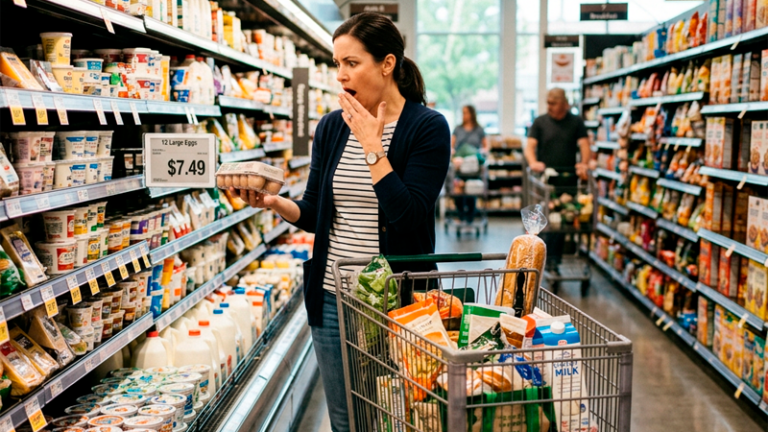
Many people assume grocery delivery platforms simply charge a delivery fee. In reality, the product prices themselves are often different from in-store prices.
A cereal box that costs $4.49 in a physical supermarket may appear as $5.29 inside the app. Ground beef, frozen meals, snacks, drinks, and cleaning supplies commonly receive small price increases that shoppers barely notice because they happen item by item.
That difference feels harmless until it compounds across a large order.
A family spending around $280 per week on groceries can quietly lose an extra $35 to $60 weekly through markups and platform fees combined. Over one year, that may exceed $2,000 in avoidable spending without changing what the family actually buys.
Most consumers focus on the delivery charge because it is visible. The product markup is usually the more expensive part.
One non-obvious detail is that some grocery apps apply different markups depending on the store itself. Budget supermarkets may show smaller increases, while premium stores often carry much larger pricing differences inside delivery platforms.
Convenience changes shopping behavior more than people realize
Shopping in person naturally creates friction. People walk through aisles, compare brands, reconsider prices, and occasionally decide not to buy something after seeing the total.
Delivery apps remove much of that hesitation.
It becomes extremely easy to add “just one more item” repeatedly during checkout. A frozen dessert, extra snacks, energy drinks, or premium coffee creamer suddenly feel insignificant because the purchase is digital.
Digital shopping environments are built to reduce purchase resistance.
Many grocery apps also use recommendation systems similar to streaming platforms and social media feeds. If someone buys protein bars once, the app may aggressively push expensive snack bundles or “frequently bought together” suggestions later.
Families trying to reduce grocery expenses often underestimate how much their own shopping behavior changes inside apps compared to physical stores.
A shopper who spends $140 in-store may unintentionally spend $185 online simply because visual spending cues feel weaker on a phone screen.
Subscription plans only save money for certain types of households
Unlimited delivery memberships sound financially smart at first glance.
Paying $9.99 or $14.99 monthly for “free delivery” feels reasonable if the family orders multiple times per month. The issue is that many users psychologically justify ordering more often once they subscribe.
A household that previously made one careful weekly grocery trip may start placing smaller convenience orders throughout the week because delivery feels “included.”
That shift matters.
Smaller orders usually create:
More impulse buying
Higher tip frequency
More service fees
Less meal planning
More wasted food
The subscription changes behavior, not just delivery costs.
There is also another detail many people miss. Some grocery memberships still apply:
Service fees
Busy-hour surcharges
Priority delivery charges
Higher product pricing
Recommended tip defaults
So even after paying for the membership itself, consumers may continue paying significantly more than expected.
For some families, subscriptions genuinely save time and money. But for others, the membership quietly increases overall consumption habits instead of reducing expenses.
Poor substitutions can create waste that shoppers never intended
One of the more frustrating issues with grocery delivery is product substitution.
A customer ordering a store-brand product for $3.99 may receive a premium replacement costing nearly double. Fresh produce quality can also vary dramatically depending on the shopper handling the order.
Some families end up wasting money because the delivered items do not match what they would have personally selected.
This becomes especially expensive with:
Fruits and vegetables
Fresh meat
Dairy products
Bakery items
Bulk purchases
A bruised bag of avocados or poorly selected produce may seem minor individually, but repeated quality issues increase waste over time.
Food waste is one of the hidden financial side effects of convenience shopping.
There is also a practical psychological effect involved. People tend to value products they personally choose more carefully than products selected by someone else. That subtle difference can increase waste without consumers realizing it.
The time savings are real but not always financially efficient
To be fair, grocery delivery does solve real problems.
Parents with newborns, people recovering from injuries, elderly consumers, and households with extremely demanding work schedules may genuinely benefit from paying extra for convenience.
In some cases, the saved time has real economic value.
A business owner billing clients at $120 per hour may reasonably decide that outsourcing grocery shopping is financially worthwhile. A parent working two jobs may prioritize stress reduction over strict grocery savings.
The problem appears when convenience becomes automatic instead of intentional.
Many consumers continue paying premium delivery costs even when they actually have time available to shop themselves. Convenience spending gradually becomes normalized, especially after long periods of app-based habits.
One useful strategy some families now use is hybrid shopping.
They purchase:
Bulk staples in person
Fresh produce manually
Emergency items through delivery apps only when necessary
That approach often preserves convenience while reducing some of the largest markup problems.
The real cost usually becomes visible too late
Most households never sit down and calculate their total grocery delivery spending across an entire year.
The charges are fragmented into:
Small fees
Tiny markups
Frequent tips
Subscription renewals
Incremental impulse purchases
Because none of them feel catastrophic individually, the financial impact remains psychologically hidden.
But when families finally review annual spending, many discover they spent enough on convenience fees alone to cover:
A vacation
Several utility bills
Credit card debt payments
Emergency savings contributions
Grocery delivery apps are not automatically bad financial decisions. For some people, they genuinely improve daily life.
But consumers who never examine the full cost structure often mistake convenience for efficiency.
And over time, those two things can become very different financially.