Fast delivery feels like a free upgrade. You tap a button, and your order shows up hours later. No trip, no waiting, no effort. It feels efficient, almost like you’ve outsmarted time itself.
But behind that convenience, something else is happening. The price you pay isn’t always on the checkout screen. It’s built into the system in ways most people don’t track.
The invisible markup baked into fast delivery
Retailers rarely label it as a “speed fee,” but it exists. Products eligible for same day delivery often carry slightly higher prices than identical items with slower shipping.
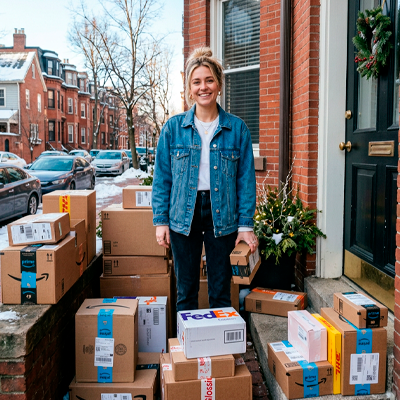
You’re not just paying for the product. You’re paying for speed disguised as normal pricing.
A simple comparison shows this. A household item listed at $18 with two-day shipping might appear at $21 under same day delivery. The difference looks small, but it’s intentional.
Multiply that across frequent purchases, and the effect becomes real. An extra $3 per order, twice a week, turns into over $300 per year without changing your buying habits.
Why speed changes how you evaluate purchases
When delivery is immediate, your decision process shifts. You stop thinking in terms of need and start reacting to convenience.
You’re more likely to buy things you would normally delay or skip. A kitchen tool, a cable, a replacement item you could wait for. The barrier is gone.
Faster delivery doesn’t just fulfill demand. It creates it.
This is where spending increases quietly. You’re not making bigger purchases. You’re making more frequent ones. Over time, frequency matters more than size.
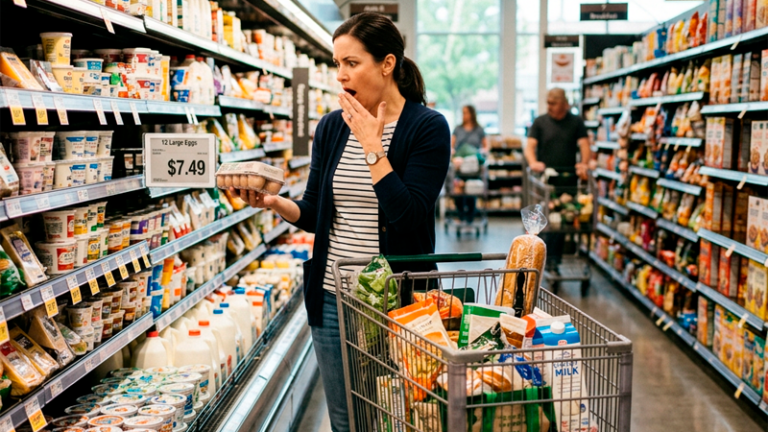
A $12 item ordered impulsively five times a month becomes $720 a year. Not because it was expensive, but because it was easy.
The cost of logistics is passed to you indirectly
Same day delivery requires a different infrastructure. Warehouses closer to cities, more drivers, faster routing, tighter inventory management. None of that is cheap.
Companies absorb part of the cost, but not all of it. The rest is distributed across pricing, subscriptions, and minimum order thresholds.
That’s why many platforms push membership models. Pay $10 to $15 per month, and delivery feels “free.” But if you don’t order frequently, that fee alone can outweigh any benefit.
Let’s say you pay $12 per month for a delivery membership. That’s $144 per year. If you only use it occasionally, you’re paying for access, not value.
How pricing algorithms adjust in real time
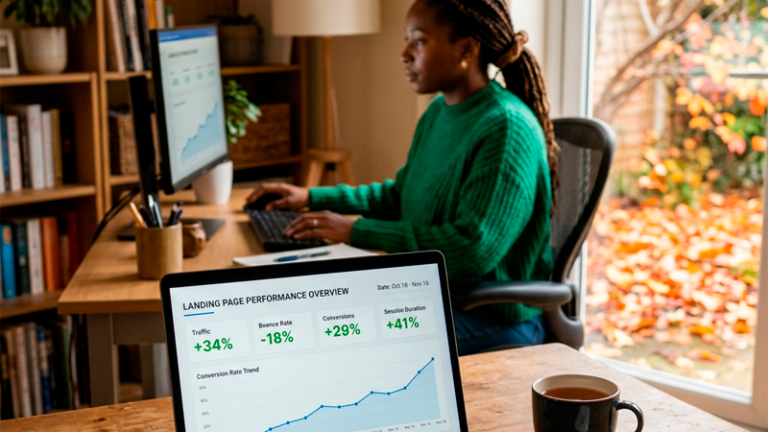
One detail most consumers never see is how dynamic pricing interacts with delivery speed. Platforms track demand, location, and urgency.
If a product is needed quickly and demand is high, prices can shift slightly upward. Not enough to alarm you, but enough to increase margins.
Urgency gives pricing algorithms leverage over your decisions.
You might notice this during peak times. Late evenings, weekends, or during weather disruptions. Availability drops, prices nudge up, and delivery options become more limited.
It’s not random. It’s a system designed to optimize profit when your patience is lowest.
Why returns and mistakes cost more with speed
Fast delivery increases the chance of rushed decisions. You order quickly, sometimes without comparing options or checking details.
That leads to more returns. Wrong size, wrong model, duplicate items. While returns might feel free, they still carry a cost.
Processing returns, restocking, and logistics inefficiencies are factored back into pricing across the platform.
There’s also personal cost. Time spent managing returns, waiting for refunds, reordering the correct item. The convenience of speed disappears once something goes wrong.
A delayed but correct purchase often saves more than a fast but incorrect one. Accuracy has financial value, even if it feels slower.
The psychological trade you’re making
Same day delivery doesn’t just change logistics. It changes expectations. Waiting two or three days starts to feel inconvenient, even if it used to be normal.
That shift has a financial consequence. You begin prioritizing speed over price without realizing it.
Convenience becomes a default, not a choice.
Once that happens, it’s hard to go back. Slower options feel like a downgrade, even when they’re cheaper. That perception locks you into a higher spending pattern.
A person who consistently chooses speed over savings might pay 10 to 20 percent more annually on everyday purchases. Not because they want to, but because it feels better in the moment.
How to use fast delivery without overpaying
Avoiding same day delivery entirely isn’t realistic for most people. But using it intentionally makes a difference.
Start by separating urgent needs from convenience wants. If something isn’t time-sensitive, choose the slower option and compare prices.
Delaying a purchase by 24 to 48 hours often reveals cheaper alternatives.
Another strategy is batching orders. Instead of placing multiple small orders, group items together. That reduces frequency and minimizes hidden markups.
Check total annual cost of delivery memberships. If you’re not using it consistently, canceling can save more than the occasional delivery fee.
Access to convenience should be earned by usage, not assumed.
The shift most consumers don’t notice until later
Same day delivery feels like progress. Faster, smoother, more efficient. And in many ways, it is.
But the cost isn’t always visible at checkout. It’s spread across pricing, behavior, and habits that build over time.
You’re not paying more in one moment. You’re paying more across many small decisions.
And that’s what makes it difficult to detect. There’s no single purchase that feels like a mistake. Instead, the pattern slowly reshapes how much you spend without changing what you buy.
If you don’t question it occasionally, you don’t notice the difference until it’s already part of your monthly reality.