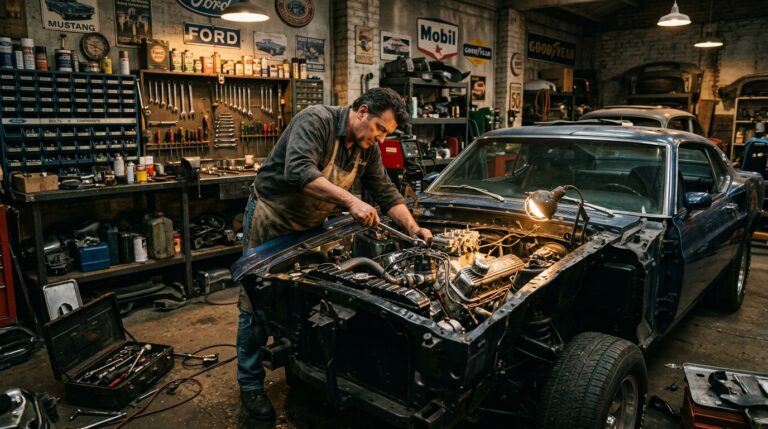
Maintaining a custom vehicle relies entirely on the continued existence and support of independent aftermarket manufacturers who frequently go out of business without any prior warning. Unlike major automotive brands that are legally required to manufacture spare parts for a decade, small tuning companies can disappear overnight and leave you completely stranded. When a specialized suspension component breaks on a weekend drive, you cannot simply drive down to the local auto parts store and grab a cheap replacement off the heavily stocked shelf. You will spend countless frustrating hours scouring obscure internet forums trying to track down a used replacement part from another desperate enthusiast located across the country. If you cannot locate that specific proprietary piece, you are often forced to replace the entire custom system with a brand new setup at an immense personal cost. The extreme lack of replacement availability turns incredibly minor mechanical failures into massive logistical headaches that keep your vehicle securely parked in the garage for several months.
Diagnosing complex electrical issues on a custom vehicle that features a spliced aftermarket wiring harness requires the immense patience of a highly paid automotive specialist. Traditional dealership mechanics will outright refuse to touch heavily modified engine bays because the unapproved wiring diagrams completely contradict their official factory diagnostic manuals. You must actively locate a specialized performance shop capable of reverse-engineering the previous owner’s messy wiring job just to figure out why the engine suddenly refuses to start. Paying specialized diagnostic labor rates simply to untangle a massive nest of unmarked wires will rapidly consume your entire annual maintenance budget within a single week. Every single unique modification adds a thick layer of unnecessary complexity that actively prevents normal technicians from performing even the most basic routine maintenance procedures. These severe diagnostic labor costs effectively destroy any perceived financial value you gained by purchasing the car at a heavily discounted initial asking price.
Calculating the Massive Resale Value Drop of Personalized Vehicles
The harsh financial reality of owning a heavily modified vehicle becomes painfully obvious the exact moment you decide to list it for sale on the open public market. Despite spending thousands of dollars on premium performance upgrades, the vast majority of conservative buyers will actively avoid your listing due to the massive implied maintenance risks.
Local dealerships automatically consider highly modified vehicles to be absolute toxic inventory and will heavily penalize your trade-in value to account for the labor cost of returning it to stock form. You will never recoup the massive financial investment you poured into custom paint jobs, aggressive suspension drops, and loud exhaust systems because they only appeal to a tiny fraction of the consumer market. The secondary market heavily favors pristine, unmodified examples specifically because they offer a clean slate and documented mechanical reliability without the aggressive weekend abuse. This guaranteed depreciation of aftermarket parts completely destroys your long-term vehicle equity and makes upgrading to a newer model extremely difficult.
The limited pool of potential buyers who actually want a heavily modified car will aggressively scrutinize every single modification to negotiate the absolute lowest possible transaction price. These highly educated automotive enthusiasts know exactly how much it costs to fix broken project cars and will mercilessly point out every minor flaw during the tense negotiation process. Selling a customized car requires immense personal patience because you must wait several months for the exact right buyer who perfectly shares your highly specific automotive tastes to finally come along. Attempting to part out the vehicle by removing the expensive upgrades and selling them individually requires massive amounts of physical labor and generates incredibly marginal financial returns. You end up wasting endless weekends carefully shipping heavy metal parts across the country just to claw back a tiny fraction of your initial cash investment. Ultimately, the severe financial penalties associated with selling a custom machine serve as a brutal permanent lesson in preserving factory specifications for maximum asset retention.
Preserving Your Financial Stability Over Weekend Track Dreams
Separating your deep emotional desires from cold financial mathematics remains the single most important skill when hunting for an exciting weekend vehicle to actively enjoy. It is incredibly tempting to purchase a loud and aggressive machine that seemingly offers supercar performance for a tiny fraction of the original expensive showroom price tag. However, the brutal reality of ongoing component maintenance, specialized diagnostic labor, and massive commercial insurance premiums will quickly transform that exciting dream into a highly stressful financial nightmare. You are always financially safer paying a slightly higher initial purchase price for a pristine factory vehicle than rolling the loaded dice on someone else’s abandoned mechanical project. A completely stock performance car provides a beautifully balanced driving experience engineered by highly paid professionals, guaranteeing reliable starting every single morning without catastrophic fluid leaks. By prioritizing documented factory reliability over flashy aftermarket accessories, you actively protect your personal savings account and ensure your automotive hobby remains a genuine source of joy rather than immense financial regret.
Used only with old Urchin versions of Google Analytics and not with GA.js. Was used to distinguish between new sessions and visits at the end of a session.
End of session (browser)
__utmz
Contains information about the traffic source or campaign that directed user to the website. The cookie is set when the GA.js javascript is loaded and updated when data is sent to the Google Anaytics server
6 months after last activity
__utmv
Contains custom information set by the web developer via the _setCustomVar method in Google Analytics. This cookie is updated every time new data is sent to the Google Analytics server.
2 years after last activity
__utmx
Used to determine whether a user is included in an A / B or Multivariate test.
18 months
_ga
ID used to identify users
2 years
_gali
Used by Google Analytics to determine which links on a page are being clicked
30 seconds
_ga_
ID used to identify users
2 years
_gid
ID used to identify users for 24 hours after last activity
24 hours
_gat
Used to monitor number of Google Analytics server requests when using Google Tag Manager
1 minute
_gac_
Contains information related to marketing campaigns of the user. These are shared with Google AdWords / Google Ads when the Google Ads and Google Analytics accounts are linked together.
90 days
__utma
ID used to identify users and sessions
2 years after last activity
__utmt
Used to monitor number of Google Analytics server requests
10 minutes
__utmb
Used to distinguish new sessions and visits. This cookie is set when the GA.js javascript library is loaded and there is no existing __utmb cookie. The cookie is updated every time data is sent to the Google Analytics server.