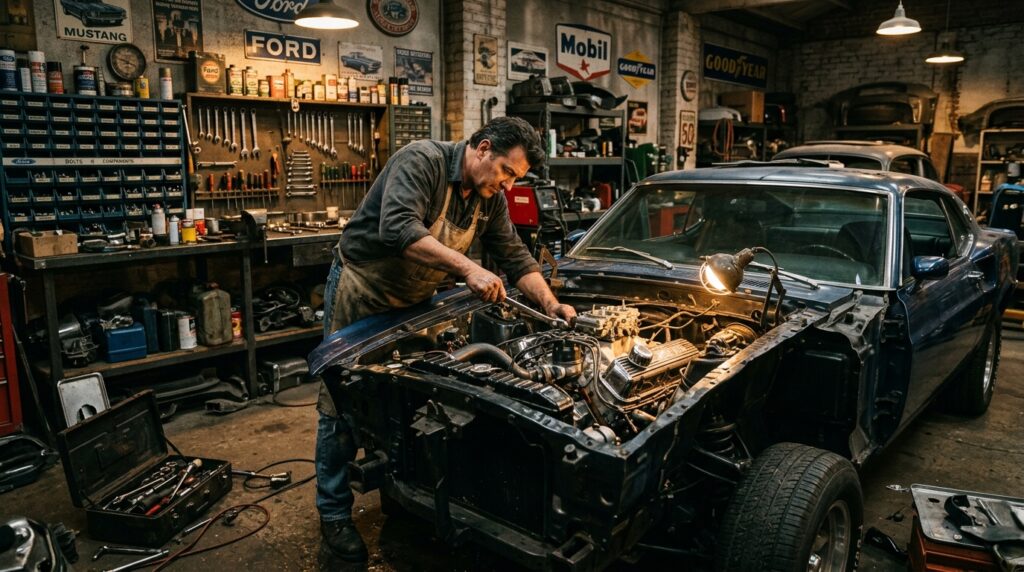
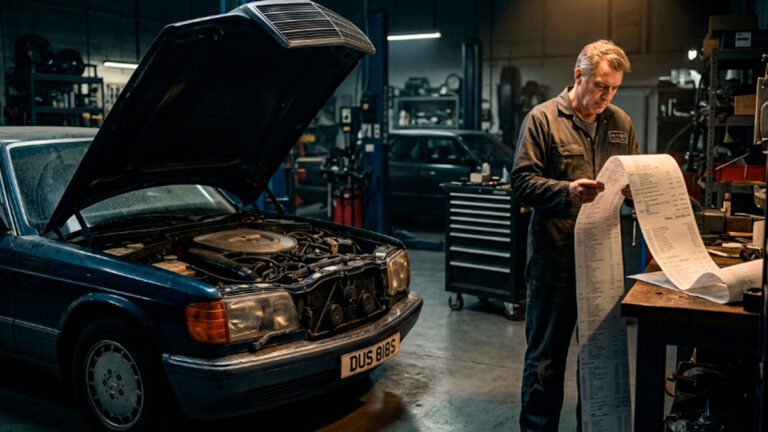
Embarking on a classic vehicle restoration journey requires an honest assessment of both your mechanical patience and your checking account balance. Restoring a vintage project car is rarely a straightforward mechanical hobby; it is an unpredictable financial commitment that routinely tests the resolve of even seasoned gearheads. Every rusted panel and seized engine bolt conceals a potential budget blowout that can silently drain your savings over several years of meticulous garage labor. Understanding the true cost of classic car ownership begins long before you load a rolling chassis onto a flatbed trailer or turn a rusty ignition key for the very first time. Prospective project car buyers must calculate that acquisition costs usually represent only twenty percent of the ultimate financial burden required to achieve a reliable, road-worthy machine. Ignoring the hidden expenses of sourcing rare automotive components often leaves hobbyists with half-finished metal shells sitting idle in driveways while mounting restoration bills accumulate without mercy. True automotive restoration demands brutal financial honesty regarding whether you possess the specialized tools, the climate-controlled workspace, and the deep cash reserves required to see a multi-year project through to completion.
Uncovering Hidden Body Rust Beneath the Fresh Paint
Purchasing a vintage vehicle with a shiny exterior finish frequently masks the devastating financial reality of deep structural corrosion.
Surface imperfections hide catastrophic frame rot that demands thousands of dollars in professional sheet metal fabrication, panel replacement, and structural alignment. A seemingly solid classic car body can conceal hidden rust inside rocker panels and floorboards that will compromise structural integrity the moment you put the vehicle on a hydraulic lift. Professional metal restoration specialists charge steep hourly rates to cut away cancer-ridden steel and weld in factory-correct replacement panels with absolute precision. Failing to inspect the chassis thoroughly before purchase represents the most expensive mistake a rookie builder can make, frequently resulting in repair estimates that exceed the total market value of the finished automobile. Experienced restorers always bring a magnetic thickness gauge and a heavy-duty flashlight to examine frame rails, wheel arches, and trunk floors for signs of amateur fiberglass patch jobs or hidden structural decay. Budgeting an extra five thousand dollars exclusively for body repairs is a mandatory safety margin when you evaluate any vintage car that has spent decades exposed to harsh winter road salt.
The Deceptive Mechanics of Rebuilding a Decades-Old Engine
An engine bay featuring a classic carburetor and distributor points might look simpler than modern computerized powertrains, but rebuilding a vintage motor demands specialized machine shop intervention. Internal engine components wear down unevenly over decades, requiring professional block boring, crankshaft polishing, valve seat replacement, and precision balancing. Machine shop labor costs and OEM-spec replacement parts can easily escalate past four thousand dollars even for a standard, non-performance four-cylinder or small-block V8 engine build. Buying a cheap running donor car does not guarantee internal mechanical health, because decades of old sludge and neglected oil changes routinely ruin vital internal components. Replacing worn-out oil pumps, timing chains, and camshaft bearings while the engine is completely disassembled ensures that you avoid catastrophic mechanical failure just miles after your initial test drive. Ignoring professional machine shop recommendations to save a few hundred dollars will invariably lead to low oil pressure, smoking exhaust pipes, and premature engine seizure on the highway. Investing in high-grade internal hardware and professional assembly provides the mechanical reliability necessary to enjoy your vintage car without constant fear of roadside breakdowns.
Sourcing Rare OEM Parts Versus Dealing With Cheap Reproduction Components
The hunt for authentic restoration components often transforms into a frustrating and expensive treasure hunt across international automotive swap meets. Reproduction body panels and interior trim pieces frequently suffer from poor manufacturing tolerances, requiring hours of painful manual modification to fit correctly on an original factory chassis. Original Equipment Manufacturer parts that remain in pristine condition command extreme prices among collectors, forcing builders to choose between historical accuracy and financial survival. Shipping heavy vintage suspension assemblies and fragile glass windshields adds substantial logistical costs that rarely appear in initial project spreadsheets. Relying exclusively on discount online catalog suppliers can introduce inferior aftermarket metals that rust out prematurely or fail under normal driving stresses. Experienced project builders maintain an extensive network of specialized salvage yards and club contacts to secure rare mechanical items without paying predatory collector market markups. Balancing original authenticity with functional aftermarket alternatives remains a critical financial skill that determines whether your restoration stays solvent or collapses under runaway parts expenses.
Calculating the True Expense of Professional Interior Upholstery
Cabin restoration is an area where amateur attempts become glaringly obvious to anyone inspecting the vehicle at a local car show or weekend cruise-in. Cracked vinyl dashboards, sagging seat foam, and torn headliners require professional upholstery skills or expensive pre-molded kit replacements to look factory-fresh. Professional interior restoration shops charge premium hourly labor rates to hand-stitch leather seats, install custom carpeting, and restore fragile vintage dashboard instrument clusters. Purchasing a complete interior kit without professional installation tools often leads to ripped seams, misaligned door panels, and ruined material investments. Restoring original analog gauges and vacuum-operated heater controls requires delicate electrical expertise that stumps even experienced weekend mechanics. Allocating a dedicated three-thousand-dollar fund for interior materials and professional trim work ensures your classic cabin offers the comfortable driving environment you expect after years of hard garage labor. Neglecting the interior details to focus entirely on the mechanical drivetrain results in an unfinished driving experience that lacks comfort, refinement, and aesthetic appeal.
Knowing When to Stop and Sell Before Financial Exhaustion Sets In
The emotional attachment that develops during a long restoration project can easily cloud your judgment regarding when to cut your losses and walk away. Finishing a classic car build rarely yields a financial profit, because total material and labor expenditures almost always exceed the final resale value on the open market. Recognizing the subtle warning signs of project fatigue helps prevent you from depleting your emergency savings accounts just to chase an elusive automotive perfection. Submitting to the sunk cost fallacy is a dangerous trap that forces many enthusiasts to borrow money or neglect other financial priorities to fund an endless series of mechanical upgrades. Treating your project as a finite financial investment rather than an emotional crusade allows you to make pragmatic decisions about outsourcing labor or selling the car before it ruins your personal finances. Successfully driving your completed vintage car to a local weekend gathering provides a profound sense of accomplishment, provided you managed the journey with prudent budgeting, realistic timelines, and uncompromising financial discipline.
Frequently Asked Questions
How much money should I keep in reserve for unexpected project car expenses?
Maintaining an emergency buffer equal to thirty percent of your total estimated budget is essential for absorbing surprise mechanical failures, hidden rust, and shipping delays without halting your restoration momentum. Failing to secure this financial safety cushion is the primary reason why thousands of unfinished project cars end up abandoned in barns and backyards across the country.
Is it cheaper to buy a finished classic car or build one from scratch?
Purchasing an already completed and well-documented classic car is almost always significantly cheaper and less stressful than starting with a neglected rust bucket found in a field. Paying a higher upfront price for a finished vehicle allows you to bypass years of labor, endless parts searches, and thousands of dollars in unexpected shop bills.
How do I accurately assess body rust before purchasing a vintage vehicle?
Crawling underneath the chassis with a mechanical pick and a bright inspection light is mandatory to uncover hidden frame rot that sellers attempt to disguise with fresh undercoating and spray paint. Checking critical structural points like suspension mounting brackets and floorboards protects you from buying a structurally dangerous automobile that costs a fortune to make road-safe.
Used only with old Urchin versions of Google Analytics and not with GA.js. Was used to distinguish between new sessions and visits at the end of a session.
End of session (browser)
__utmz
Contains information about the traffic source or campaign that directed user to the website. The cookie is set when the GA.js javascript is loaded and updated when data is sent to the Google Anaytics server
6 months after last activity
__utmv
Contains custom information set by the web developer via the _setCustomVar method in Google Analytics. This cookie is updated every time new data is sent to the Google Analytics server.
2 years after last activity
__utmx
Used to determine whether a user is included in an A / B or Multivariate test.
18 months
_ga
ID used to identify users
2 years
_gali
Used by Google Analytics to determine which links on a page are being clicked
30 seconds
_ga_
ID used to identify users
2 years
_gid
ID used to identify users for 24 hours after last activity
24 hours
_gat
Used to monitor number of Google Analytics server requests when using Google Tag Manager
1 minute
_gac_
Contains information related to marketing campaigns of the user. These are shared with Google AdWords / Google Ads when the Google Ads and Google Analytics accounts are linked together.
90 days
__utma
ID used to identify users and sessions
2 years after last activity
__utmt
Used to monitor number of Google Analytics server requests
10 minutes
__utmb
Used to distinguish new sessions and visits. This cookie is set when the GA.js javascript library is loaded and there is no existing __utmb cookie. The cookie is updated every time data is sent to the Google Analytics server.