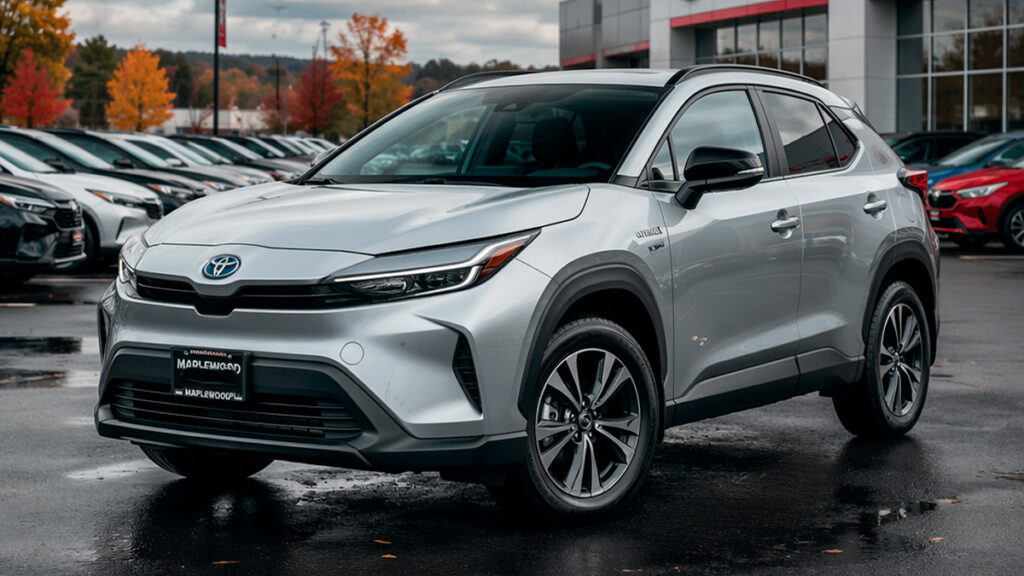
The modern auto market operates on a invisible clock, and the ticking sound is getting louder for average buyers. Every single month, tens of thousands of vehicles quietly transition from corporate fleet assets and personal lease contracts directly onto the concrete display lots of major franchise dealerships. For generations of suburban motorists, hunting down a three-year-old vehicle with low mileage was considered the absolute gold standard of practical personal finance. It was the ultimate loophole to dodge that brutal 20% first-year depreciation hit while still securing a reliable machine smelling faintly of factory upholstery.
However, macroeconomics has a funny way of shifting the ground beneath our feet when we least expect it. A complex mix of depressed new-car production volumes from several seasons ago, shifting consumer preferences toward hybrid setups, and unique financial pressures on leasing companies has triggered a massive imbalance. Buying a recent-model pre-owned vehicle has turned into a financial minefield. Shoppers who walk blindly onto a car lot expecting traditional savings are walking right into an expensive trap. Understanding how these massive waves of returning inventory affect local pricing structures is the only real way to protect your household budget from a disastrous transaction.
The Ghost of Production Shortages Past
The most critical factor shaping the current automotive landscape is a simple math problem originating from regional factories years ago. Because the volume of new vehicle leases plummeted significantly between 2023 and 2024, the volume of off-lease inventory returning to dealerships right now has shrunk to historic lows. A 25% drop in available mid-aged stock means that the traditional ocean of clean, single-owner commuter cars has effectively turned into a shallow puddle. Dealerships are fighting viciously at private wholesale auctions just to keep their physical lots populated, driving up baseline procurement costs.
When inventory shrinks this drastically, the financial consequences fall squarely on the retail consumer. You are no longer negotiating with a desperate salesperson trying to move one of fifteen identical silver crossovers. Instead, you are competing against five other families for the single clean vehicle available within a fifty-mile radius. Average listing prices for certified pre-owned vehicles hover near $26,043, forcing many working-class families completely out of the premium market. The direct consequence of this artificial scarcity is the near-extinction of reliable vehicles priced under $15,000. If you happen to spot a modern vehicle below that threshold, it almost certainly carries a hidden history of severe mechanical neglect or structural accidents.
The Hidden Risk of Negative Equity Traps
The mechanics of automotive financing have evolved into something highly problematic for long-term ownership strategies. In previous decades, a buyer could easily put down a modest down payment, finance a vehicle for four years, and build positive value relatively fast. Today, skyrocketing original sticker prices have forced consumers to adopt extended 72-month and 84-month auto loans just to keep their monthly outlays manageable. Financing an asset that depreciates daily over a seven-year period creates an incredibly dangerous equity deficit.
Standard Loan vs. Asset Depreciation (7-Year Timeline)
[Year 1-3] =======> Value drops 40% | Loan Balance drops only 20% = Owe More Than Worth
[Year 4-5] =======> Value stabilizes | Loan Balance catches up = Breakeven Point
[Year 6-7] =======> Value moves slowly | Loan Balance drops fast = Positive Equity
Consider a real-world scenario where a buyer purchases a late-model used SUV for $31,548 using an extended payment structure. By the time that individual reaches the halfway mark of the obligation, the actual market value of the vehicle might plunge to just 66% of its original purchase price. This creates a massive equity gap where the driver owes thousands of dollars more than the physical machine is worth. If the household experiences an unexpected emergency and needs to sell the asset quickly, they cannot simply walk away from the keys. The buyer must pay the lender the difference out of pocket, turning what should have been a mobility tool into a devastating anchor on their personal net worth.
The Sudden Collapse of Electric Vehicle Residuals
If you want to see where the depreciation monster truly goes wild, look no further than the alternative fuel sectors. Battery-powered vehicles have experienced an absolutely historic pricing correction over the last twenty-four months. Used electric vehicle values plummeted by a staggering 37% as secondary market buyers expressed massive hesitation regarding aging lithium-ion battery health and charging infrastructure limits. This rapid depreciation completely shatters the traditional financial modeling used by major leasing corporations and institutional lenders.
Massive upfront losses: Original lessees who signed contracts under the assumption that their premium EV would retain 55% of its value are discovering that the open market refuses to cooperate.
The contract buyout illusion: Drivers approaching the end of their terms are finding that the contractually set purchase option is up to $10,000 higher than the actual retail price of an identical vehicle down the street.
The smart consumer pivot: Instead of executing the standard lease buyout, informed motorists are returning the keys and buying the exact same model as a used asset directly from the wholesale lot for pennies on the dollar.
How Hybrid Vehicles Became the Ultimate Value Safe Haven
While pure electric options continue to suffer massive pricing drops, a completely different story is unfolding in the internal combustion market. Consumer demand for family-oriented hybrid SUVs has surged by double digits, creating an incredibly sticky pricing floor. Everyday buyers have realized they want to save substantial money at the gas pump without dealing with public charging logistics. This massive cultural pivot has turned used hybrid models into highly prized commodities that retain their value far better than traditional sedans.
A three-year-old hybrid crossover frequently commands an 8% premium over its conventional gasoline counterpart on the open market. Dealers know these vehicles leave the lot in fewer than 34 days, which gives them zero incentive to offer meaningful discounts during negotiations. For the practical buyer, this creates a distinct dilemma. Paying an inflated upfront premium for a used hybrid can completely wipe out the expected fuel savings over the first three years of ownership. You have to run the math carefully to ensure that your monthly operational economy actually justifies the steep initial transaction price.
Strategic Navigation Strategies for Smart Car Buyers
Surviving this highly volatile marketplace requires abandoning old ways of thinking and taking an aggressive, data-driven approach to negotiation. The single biggest mistake you can make is walking onto a car lot during the high-demand spring tax season. Instead, you need to time your move to align with dealership inventory clearance cycles. The late autumn months of October and November offer the strongest historical discounts as managers scramble to hit their annual performance metrics and clear space for incoming year-end models.
+------------------------------------+------------------------------------+
| Traditional Buying Mistakes        | Modern Strategic Adjustments       |
+------------------------------------+------------------------------------+
| Focusing solely on monthly payments| Evaluating the total cost of ownership|
| Assuming lease buyouts are fair    | Comparing contract residual values |
| Blindly buying hybrid for "savings"| Calculating the fuel payback period|
+------------------------------------+------------------------------------+
Before you sign any paperwork, demand a copy of the vehicle’s comprehensive history report and request a pre-purchase inspection from an independent mechanic. Never rely on the dealership’s internal multi-point inspection guarantee, which is often nothing more than a basic cosmetic checklist. Securing your own independent financing approval from a local credit union before setting foot on the lot completely strips the dealer of their ability to inflate interest margins. By entering the arena with your own capital and a clear understanding of shifting depreciation trends, you can easily avoid the hidden pitfalls of the secondary market and drive away with an asset that protects your financial health.
Frequently Asked Questions
Is it smart to execute a lease buyout option right now?
It entirely depends on your specific vehicle’s contract terms. You must compare your contractual purchase price with current online retail listings for identical models. If the open market value has dropped significantly below your contract number, walking away and purchasing a different used vehicle is the superior financial decision.
Why are older vehicles holding their value so aggressively?
The severe lack of production from previous years has created a massive gap in supply. Because there are fewer five-year-old cars available to satisfy budget buyers, their wholesale values remain artificially elevated, preventing the natural price drops consumers usually rely on.
Should I avoid used electric vehicles entirely?
Not necessarily, but you must alter your risk calculation. The massive 37% drop in used EV prices makes them incredible bargains upfront, provided you plan to drive the car for its entire useful lifespan and have verified the remaining factory battery warranty coverage.
Used only with old Urchin versions of Google Analytics and not with GA.js. Was used to distinguish between new sessions and visits at the end of a session.
End of session (browser)
__utmz
Contains information about the traffic source or campaign that directed user to the website. The cookie is set when the GA.js javascript is loaded and updated when data is sent to the Google Anaytics server
6 months after last activity
__utmv
Contains custom information set by the web developer via the _setCustomVar method in Google Analytics. This cookie is updated every time new data is sent to the Google Analytics server.
2 years after last activity
__utmx
Used to determine whether a user is included in an A / B or Multivariate test.
18 months
_ga
ID used to identify users
2 years
_gali
Used by Google Analytics to determine which links on a page are being clicked
30 seconds
_ga_
ID used to identify users
2 years
_gid
ID used to identify users for 24 hours after last activity
24 hours
_gat
Used to monitor number of Google Analytics server requests when using Google Tag Manager
1 minute
_gac_
Contains information related to marketing campaigns of the user. These are shared with Google AdWords / Google Ads when the Google Ads and Google Analytics accounts are linked together.
90 days
__utma
ID used to identify users and sessions
2 years after last activity
__utmt
Used to monitor number of Google Analytics server requests
10 minutes
__utmb
Used to distinguish new sessions and visits. This cookie is set when the GA.js javascript library is loaded and there is no existing __utmb cookie. The cookie is updated every time data is sent to the Google Analytics server.