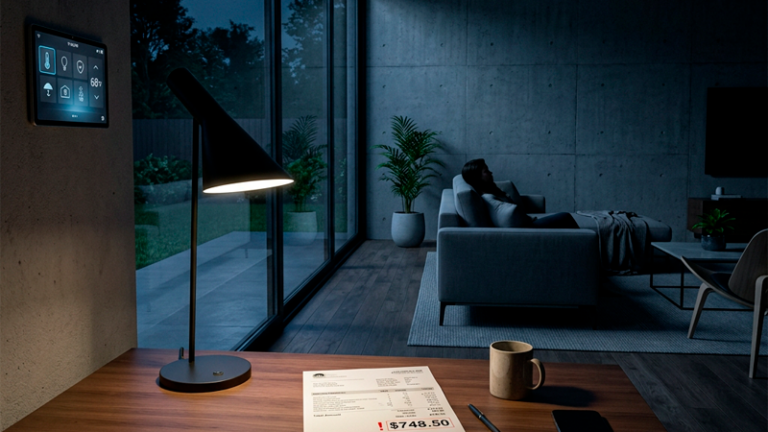
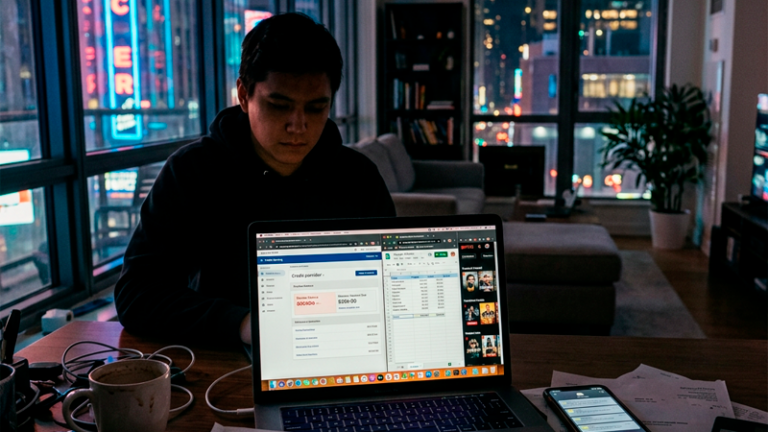
A $19 smart bulb looks harmless in your shopping cart. A $25 indoor camera feels like an easy upgrade. Even a full smart home starter kit under $100 sounds reasonable when compared to premium brands charging three times more.

But a lot of people discover the real cost months later, usually after the devices stop syncing, lose app support, or quietly become unreliable enough to replace.
The smart home market exploded so fast that thousands of low-cost products entered stores before long-term reliability became part of the conversation. And now many consumers are learning that buying cheap tech for the house can create a chain of expenses they never planned for.
The replacement cycle happens faster than most buyers expect
One of the biggest hidden costs with budget smart home devices is lifespan. Many cheaper products simply don’t stay functional long enough to justify even their low price.
A smart plug that disconnects every week becomes annoying. A door sensor with delayed notifications becomes useless. A security camera that randomly goes offline creates stress instead of convenience.
What surprises many buyers is how quickly these problems appear. Some lower-end smart devices begin showing reliability issues within 8 to 14 months, especially products from lesser-known brands selling through massive online marketplaces.
That creates a cycle people rarely calculate correctly.
Instead of buying one reliable $80 device that lasts five years, they buy:
- a $25 replacement this year
- another $30 replacement next year
- extra accessories to make systems compatible
- new hubs or adapters later
Over time, the “cheap” option quietly becomes the expensive option.
A common example is smart light systems. Budget bulbs may cost half the price upfront, but many have weaker app ecosystems, slower response times, and shorter Wi-Fi stability ranges. People often replace them entirely once they start building larger smart setups around the house.
Compatibility problems can force expensive upgrades
Most consumers assume smart home devices work together automatically. Marketing makes it look simple. Scan a QR code, connect to Wi-Fi, and everything magically syncs.
Reality is messier.
One device uses its own proprietary app. Another requires a separate hub. A third works with one voice assistant but not another. Suddenly the “simple setup” turns into a fragmented system filled with workarounds.
Compatibility mistakes are one of the fastest ways consumers waste money in smart home setups.
Someone might buy:
- one camera system
- a different smart lock brand
- unrelated motion sensors
- lighting from another ecosystem
Then they realize automation between devices barely works.
This leads to expensive fixes later:
- replacing older devices
- purchasing additional hubs
- paying subscription fees
- upgrading routers for stability
- rebuilding automations from scratch
A surprising number of people eventually abandon their first smart home ecosystem completely and start over with a more stable brand.
That restart can cost hundreds of dollars.
Subscription fees quietly change the real price
A smart camera advertised for $39 may sound like a bargain until cloud storage enters the picture.
Many companies now sell hardware at aggressive prices because the long-term goal is recurring subscription revenue. Consumers often don’t realize this during checkout.
The monthly fee may look small:
- $3 per camera
- $8 for cloud storage
- $15 for advanced alerts
Individually, those numbers seem manageable.
But a household with:
- 3 cameras
- a video doorbell
- smart alarm monitoring
can easily end up paying $200 to $400 per year in subscriptions alone.
That completely changes the value equation.
Some people discover they could have purchased higher-end equipment upfront and spent less overall after two or three years.
The more frustrating part is that companies increasingly lock important features behind subscriptions:
- motion history
- person detection
- package alerts
- longer video storage
- emergency notifications
Consumers think they own the product, but many features effectively become rented software.
Weak security creates risks people ignore until it’s too late
Most shoppers focus on convenience, not cybersecurity.
That’s understandable. People buying a smart thermostat usually aren’t thinking about firmware vulnerabilities or data encryption standards.
But cheaper smart home products often receive fewer software updates and weaker long-term support. Some brands disappear entirely after a short period, leaving devices permanently outdated.
That becomes a serious issue when cameras, microphones, locks, or home network access are involved.
A poorly secured smart device can become an entry point into the rest of your home network.
While large-scale hacks are less common than headlines suggest, smaller privacy failures happen constantly:
- outdated apps
- exposed camera feeds
- weak passwords
- abandoned firmware
- unstable cloud servers
One non-obvious issue is resale data exposure.
Some consumers return or resell smart devices without fully resetting them, leaving account information partially connected. Others forget old cameras are still linked to inactive cloud services.
The convenience of smart technology sometimes creates digital clutter people stop monitoring carefully.
Energy savings are often overstated
Many consumers justify smart home purchases by expecting major utility savings.
Sometimes that happens. Smart thermostats, automated lighting schedules, and energy monitoring systems can reduce electricity usage when configured correctly.
But marketing often exaggerates realistic savings.
A family spending $180 monthly on electricity is unlikely to suddenly save 40% through automation alone. In many homes, the savings are much smaller than expected.
Meanwhile, smart devices themselves consume standby power continuously:
- hubs
- cameras
- displays
- sensors
- always-on assistants
Individually the power usage is small, but across dozens of devices it adds up.
People also underestimate behavioral changes. A smart lighting system doesn’t automatically save money if household habits remain the same. In some cases, consumers actually use more electricity because automation makes devices easier to leave running.
The technology helps only when the setup aligns with real behavior.
A smaller setup usually works better
One mistake many buyers make is trying to automate everything immediately.
They buy:
- smart blinds
- smart speakers
- smart plugs
- smart locks
- cameras
- connected appliances
all within a few weeks.
The result is often frustration, notification overload, app clutter, and unreliable automations.
Ironically, the best smart homes are usually the simplest ones.
A few reliable products that solve specific problems tend to create a much better experience than a house filled with disconnected gadgets.
For many households, the smartest purchases are:
- one reliable thermostat
- a quality video doorbell
- a few dependable lights
- a stable voice assistant ecosystem
That setup often delivers most of the convenience without the constant troubleshooting.
Consumers chasing the cheapest possible smart home usually end up rebuilding it piece by piece later. And once replacements, subscriptions, compatibility fixes, and wasted devices start piling up, the original savings disappear faster than expected.