Most people assume a cheaper car always means saving money. It feels logical. Spend $6,000 instead of $28,000 and you’re ahead, right?
That idea breaks down fast when you look beyond the purchase price. The real cost of a car isn’t what you pay upfront. It’s everything that follows over the next two to four years.
The hidden math behind “cheap” cars
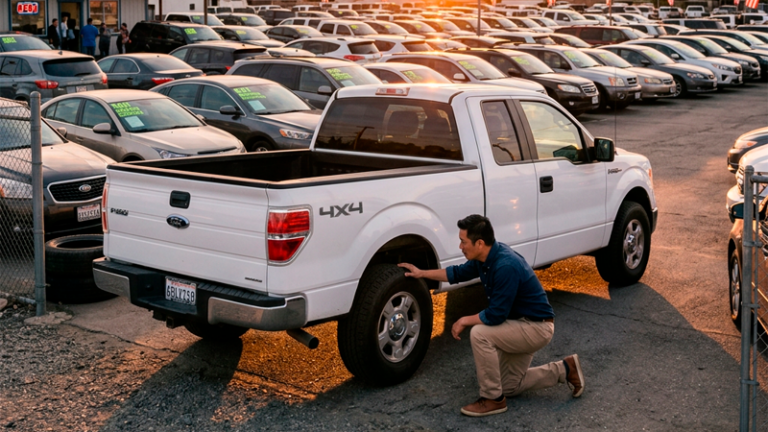
A $6,000 car sounds like a win. No financing stress, no long-term commitment. But the numbers rarely stay that simple.
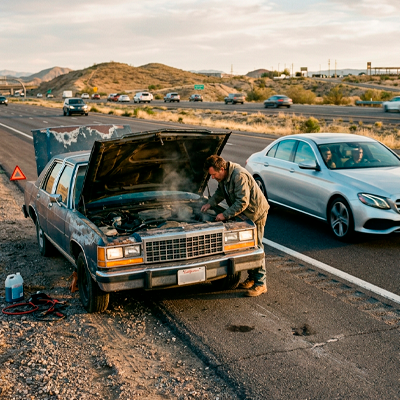
Within the first 6 months, repairs often start stacking up in ways people don’t anticipate. A transmission issue can easily hit $1,800 to $3,500, and even smaller problems like suspension work or electrical faults can add up to $500 to $1,200 per visit.
Now compare that to a newer financed car. Let’s say you finance a $25,000 vehicle with $2,000 down. Your payment might sit around $380 to $450 per month, depending on credit and terms.
That sounds heavier at first. But here’s the shift most buyers miss. Newer cars are far more predictable financially, while older cars create irregular spikes in expenses.
One month you spend nothing. The next month, you’re suddenly paying $2,000 just to keep the car running.
Repairs don’t just cost money, they cost momentum
The real damage isn’t only financial. It’s practical.
When an older car breaks down, you lose time, work opportunities, and reliability in your daily routine. If you rely on your car for commuting or income, that matters more than the repair bill itself.
Imagine missing three workdays because your car is in the shop. That could mean $300 to $600 in lost income, depending on your job. Add towing fees, rental cars, or rideshares, and suddenly a “cheap” car starts draining your budget faster than a financed one.
A financed newer car rarely puts you in that position, especially in the first few years. Most issues are covered under warranty, and breakdowns are far less frequent.
Insurance and fuel can flip the equation
People often assume older cars are cheaper to insure. That’s partially true, but it’s not always a big difference.
In many cases, the gap between insuring a 10-year-old car and a 3-year-old car can be as low as $40 to $80 per month. That’s not enough to offset constant repairs.
Fuel is another overlooked factor. Older vehicles tend to be less efficient. A difference of just 5 miles per gallon can cost you an extra $600 to $900 per year, depending on how much you drive.
So now your “cheap” car is quietly costing more every month without you noticing.
Financing isn’t the enemy, bad terms are
A lot of people avoid financing because they’ve seen bad deals. High interest rates, long terms, overpriced vehicles.
That fear makes sense. But it often leads to a worse decision.
The problem isn’t financing itself, it’s accepting poor financing conditions. A well-structured loan with a reasonable rate can actually stabilize your monthly expenses.
For example, a buyer with decent credit might secure a 5% to 7% interest rate. Over 60 months, the interest paid is manageable, especially when compared to unpredictable repair costs on an older car.
On the other hand, buying a $5,000 car that needs $3,000 in repairs within a year effectively turns it into an $8,000 purchase with zero reliability.
Depreciation isn’t always a loss
Depreciation scares people away from newer cars. It’s real, but it’s often misunderstood.
Yes, a new car loses value over time. But here’s the overlooked angle. Depreciation only matters if you plan to sell early.
If you keep the car for 4 to 6 years, the depreciation curve stabilizes. Meanwhile, you’ve benefited from consistent reliability, lower repair costs, and better efficiency.
Compare that to cycling through multiple cheap cars. Many buyers end up replacing a $5,000 car every 2 to 3 years due to major issues. Over time, they spend $10,000 to $15,000 without ever owning a dependable vehicle.
When a cheap car actually makes sense
There are situations where buying cheap works. But they’re specific.
If you:
Drive very little
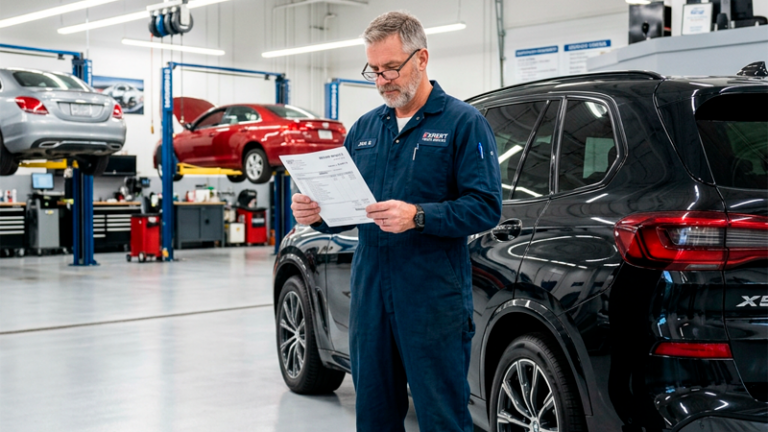
Have access to a trusted mechanic
Can handle unexpected repair costs without stress
Then a low-cost car can be a smart short-term move.
But for most people, especially those who rely on their vehicle daily, the risk outweighs the savings.
The key question isn’t “Can I afford this car?” It’s “Can I afford what happens if this car fails?”
The decision most buyers regret later
A common pattern shows up after 12 to 18 months.
Buyers who chose the cheaper car often say the same thing. They didn’t expect the constant issues. They didn’t plan for the downtime. They didn’t realize how stressful unpredictable costs could be.
Meanwhile, buyers who financed a newer car rarely talk about their monthly payment after the first few months. It becomes routine. What they value is not worrying every time they turn the key.
That mental relief has real value, even if it doesn’t show up on paper.
Choosing between a cheap used car and financing a newer one isn’t just about price. It’s about control over your money, your time, and your daily reliability.
Saving upfront can feel smart, but losing consistency over the next two years often costs more than people expect.
And that’s where most decisions go wrong. Not at the dealership, but months later, when the real costs finally show up.
Used only with old Urchin versions of Google Analytics and not with GA.js. Was used to distinguish between new sessions and visits at the end of a session.
End of session (browser)
__utmz
Contains information about the traffic source or campaign that directed user to the website. The cookie is set when the GA.js javascript is loaded and updated when data is sent to the Google Anaytics server
6 months after last activity
__utmv
Contains custom information set by the web developer via the _setCustomVar method in Google Analytics. This cookie is updated every time new data is sent to the Google Analytics server.
2 years after last activity
__utmx
Used to determine whether a user is included in an A / B or Multivariate test.
18 months
_ga
ID used to identify users
2 years
_gali
Used by Google Analytics to determine which links on a page are being clicked
30 seconds
_ga_
ID used to identify users
2 years
_gid
ID used to identify users for 24 hours after last activity
24 hours
_gat
Used to monitor number of Google Analytics server requests when using Google Tag Manager
1 minute
_gac_
Contains information related to marketing campaigns of the user. These are shared with Google AdWords / Google Ads when the Google Ads and Google Analytics accounts are linked together.
90 days
__utma
ID used to identify users and sessions
2 years after last activity
__utmt
Used to monitor number of Google Analytics server requests
10 minutes
__utmb
Used to distinguish new sessions and visits. This cookie is set when the GA.js javascript library is loaded and there is no existing __utmb cookie. The cookie is updated every time data is sent to the Google Analytics server.