Walking into a store and seeing a 65-inch smart TV for $399 feels like a win. The screen looks huge, the colors pop under showroom lighting, and the box promises apps, streaming, voice control, and gaming support. For many buyers, it feels irrational to spend $1,200 on a television when another one looks almost identical from ten feet away.
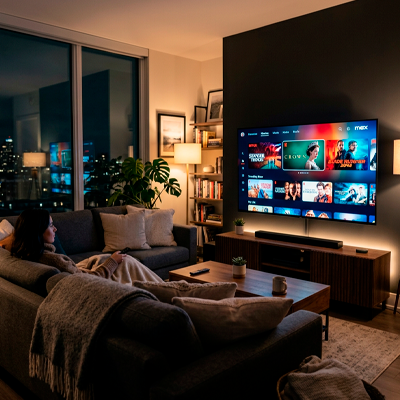
Six months later, that cheap TV often starts revealing why it was inexpensive in the first place.
Menus slow down. Streaming apps crash randomly. Motion becomes blurry during sports. Black levels look gray at night. Some TVs even stop receiving software updates surprisingly early. What initially looked like savings can quietly turn into years of frustration, replacement costs, and wasted money.
A lot of people focus only on screen size. The smarter purchase is usually the TV that still feels fast and reliable after three years, not the one that looked impressive for five minutes inside a retail store.
The hidden cost of slow hardware
One of the least obvious problems with budget smart TVs is the processor inside them.
Manufacturers rarely advertise processor quality because most buyers do not ask about it. Instead, they push screen size and flashy labels like HDR, AI picture enhancement, or gaming mode. Meanwhile, the TV may be running on extremely weak hardware.
At first, the lag seems small. Apps take an extra few seconds to open. The home screen stutters slightly. Then the experience gradually becomes worse after software updates and heavier streaming apps arrive.
A cheap TV can become painfully slow within two years.
People often assume Wi-Fi is the issue. Sometimes it is not. The television itself simply lacks enough processing power and memory to handle modern apps properly.
This becomes especially frustrating for households that constantly switch between Netflix, YouTube, Disney+, live sports, and gaming consoles.
Some users eventually buy external streaming devices like an Apple TV or Roku just to make the television usable again. Suddenly, the “cheap” TV now includes another $100 to $150 purchase attached to it.
That extra spending is rarely considered during the original buying decision.
Cheap panels age faster than buyers expect
A television can look excellent under bright store lighting while hiding weaknesses that become obvious at home.
Budget TVs often struggle with:
- uneven backlighting
- poor black levels
- aggressive brightness fluctuation
- motion blur during sports
- color shifting at viewing angles
The difference becomes extremely noticeable at night.
Many cheaper LED panels use lower-grade backlighting systems that create cloudy spots around dark scenes. Horror movies, nighttime scenes, and cinematic content lose detail quickly. What looked “good enough” during daytime shopping can feel disappointing during real daily use.
There is also a durability issue that buyers rarely discuss.
Some lower-end panels develop dark spots or brightness inconsistencies after prolonged use. This happens more frequently when TVs run many hours per day in living rooms, bars, bedrooms, or family environments.
A person who spends $450 replacing a TV every three years may actually spend more long-term than someone who bought a $900 model lasting seven or eight years.
That math changes the entire conversation.
Gaming marketing confuses a lot of buyers
Modern TV marketing aggressively targets gamers, but many budget models exaggerate gaming performance.
A television may advertise “120Hz” while actually operating at 60Hz with software interpolation tricks. Others technically support gaming features but perform poorly with real consoles.
This creates disappointment for buyers connecting systems like the PlayStation 5 or Xbox Series X.
Input lag, ghosting, and poor motion handling become obvious immediately in fast-paced games.
One particularly expensive mistake happens when buyers choose a massive cheap TV specifically for gaming, only to discover later that it lacks proper HDMI 2.1 support or variable refresh rate performance.
At that point, returning the television may no longer be possible.
A smaller high-quality TV often delivers a dramatically better gaming experience than a larger budget model with weak processing. Many people learn this only after spending hundreds of dollars.
Software support matters more than most people realize
People now keep TVs longer because streaming replaced cable for many households.
That means software stability matters almost as much as picture quality.
Some low-cost brands abandon updates quickly. Apps begin crashing more often, streaming compatibility changes, or navigation becomes unstable. Occasionally, certain apps stop working entirely because the TV software becomes outdated.
This issue rarely appears in reviews during launch week.
It usually appears two or three years later.
Meanwhile, stronger ecosystems from companies like Samsung, LG, or Sony tend to maintain better long-term compatibility and smoother app ecosystems.
That does not mean every expensive TV is worth buying. Some premium models are overpriced. But software reliability becomes a major factor once the “new TV excitement” disappears.
One overlooked insight is that many people blame streaming services for buffering or crashing when the actual issue is the TV’s aging operating system struggling under modern app demands.
Bigger screens can expose poor quality faster
A massive screen sounds exciting until low-quality content gets stretched across it.
This happens constantly with cheap 70-inch and 75-inch TVs.
Cable channels, older YouTube videos, compressed sports streams, and lower-bitrate content can look surprisingly rough on oversized low-end panels. Faces appear soft, motion artifacts become obvious, and dark scenes lose detail.
Meanwhile, a better-quality 55-inch TV can often look cleaner and more cinematic than a bargain 75-inch model.
Bigger is not automatically better.
Distance matters too. People sitting relatively close to giant budget TVs notice flaws much faster because the panel cannot hide imperfections at that size.
Retail stores rarely help buyers understand this because showroom demo footage is heavily optimized. The TVs are displaying ultra-high-quality promotional videos designed specifically to impress shoppers.
Real-life viewing is completely different.
The electricity and repair angle almost nobody calculates
Another factor buyers ignore is long-term operating cost.
Some cheaper TVs consume noticeably more electricity than efficient premium alternatives. The difference may seem small monthly, but over five years of daily use, it adds up.
Repair support can also become a nightmare.
Certain budget brands have limited repair networks, poor customer service response times, or expensive replacement parts. If the screen fails outside warranty, replacement often becomes cheaper than repair.
That creates unnecessary electronic waste and forces another purchase much sooner than expected.
Meanwhile, mid-range models from more established manufacturers often have stronger support ecosystems and better parts availability.
The real value of a television is not the purchase price alone. It is the combination of lifespan, reliability, software support, picture consistency, and daily usability over time.
That calculation looks very different once you stop thinking only about the sticker price.
A cheap smart TV can absolutely make sense for a guest room, temporary apartment, or secondary space. But for a main living room television used every day, going too cheap often creates the exact opposite of savings.
People usually remember the money they spent upfront. They forget the frustration they pay for later.