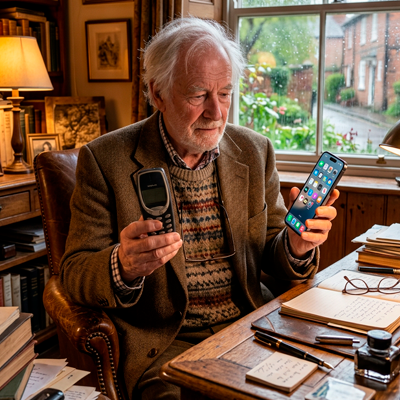
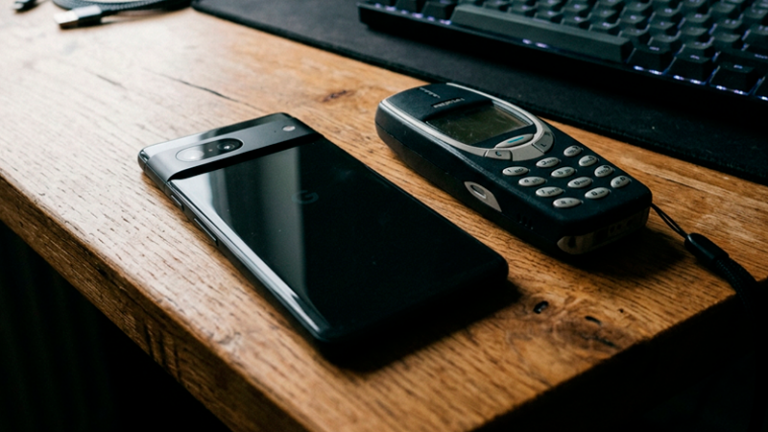
A surprising number of consumers upgrade their smartphones long before the old one actually becomes unusable.
The cycle usually starts with small frustrations. Battery life gets weaker. The camera feels outdated compared to social media ads. Apps open slightly slower than before. Then a new release appears promising “massive improvements” that look impressive during launch videos but barely change daily use.
A lot of buyers end up spending $900 to $1,500 every two years without noticing how little their routine actually changed after the upgrade.
Meanwhile, some people continue using older phones for five or even six years with almost no serious limitations.
The difference often comes down to understanding which smartphone problems are real and which ones are mostly marketing pressure.
Battery problems convince people to upgrade too fast
One of the biggest reasons consumers replace phones early is declining battery performance.
After around two years, many devices start losing noticeable battery capacity. A phone that once lasted an entire day suddenly needs charging by late afternoon. Users assume the device is dying when the actual issue is often much simpler.
A battery replacement at an authorized repair shop usually costs between $70 and $140, depending on the model. Compare that to replacing the entire device for over $1,000.
That gap matters more than people realize.
A consumer who upgrades every two years may spend roughly:
$4,000 to $6,000 across eight years
Plus accessories, cases, chargers, and taxes
Plus higher insurance costs on premium devices
Someone replacing batteries instead could spend a fraction of that while keeping similar daily performance.
Many newer smartphones already have processors powerful enough for regular tasks far beyond what average users need. Messaging, banking apps, streaming, navigation, and social media work almost identically on phones that are three or four generations apart.
Battery degradation feels like total device failure, but in many cases, it is simply maintenance being delayed.
Smartphone marketing creates fake urgency
Manufacturers have become extremely good at making small improvements feel essential.
A launch event may heavily promote:
Slightly brighter screens
Minor camera improvements
AI editing features
Faster zoom capabilities
Titanium frames
Marginally better gaming performance
For heavy creators or professionals, some upgrades are useful. For average consumers, many of these differences become nearly invisible after the first week.
One overlooked detail is how quickly excitement fades after buying a new phone.
A person may spend $1,300 upgrading mainly for the camera, only to continue posting compressed social media photos that look almost identical to content from older devices. Apps like Instagram, TikTok, and Snapchat already compress images heavily, reducing much of the visible difference consumers paid for.
This does not mean new phones are bad purchases. It means many upgrades are driven more by comparison culture than practical need.
Older flagship phones often outperform new budget models
A common consumer mistake is assuming “new” automatically means “better.”
In reality, older premium phones frequently deliver a smoother experience than brand-new midrange devices.
For example, a flagship smartphone from three years ago may still include:
Better cameras
Faster storage speeds
Higher-quality displays
Stronger video stabilization
Premium build quality
Better speakers
At the same price point, a current budget phone may look newer but perform worse in daily multitasking.
This becomes important for buyers trying to save money intelligently.
Someone purchasing a refurbished flagship for $450 to $600 may get a significantly better experience than someone spending the same amount on a new lower-tier device with weaker hardware.
The used smartphone market has changed dramatically over the last few years. Certified refurbished devices now often include warranties, battery guarantees, and return periods that reduce much of the old risk associated with secondhand electronics.
Storage problems push unnecessary upgrades
Another reason consumers replace phones early is storage frustration.
Photos accumulate quietly. Videos become larger every year. Apps store massive cache files in the background. Eventually, the phone starts warning users that storage is nearly full.
Many people immediately assume they need a new device with more storage capacity.
Often, the problem comes from poor digital maintenance rather than hardware limitations.
A phone can recover enormous amounts of space simply by:
Removing duplicate photos
Deleting unused apps
Clearing downloaded media
Moving videos to cloud storage
Cleaning messaging app attachments
Some users discover 40GB to 100GB of wasted storage after organizing their devices properly.
One non-obvious issue is how messaging apps silently consume space over time. Group chats filled with videos, memes, and forwarded media can quietly become one of the largest storage consumers on the phone.
Consumers frequently upgrade storage capacity without realizing what is actually occupying the device.
Carrier financing hides the real cost
Monthly payment plans changed consumer behavior more than most people realize.
Instead of seeing a $1,200 purchase directly, buyers see:
$39 per month
$52 per month
“Upgrade included”
“Trade-in bonus”
“Zero upfront cost”
The phone starts feeling inexpensive even when the total long-term spending becomes much higher.
Some consumers remain trapped in permanent upgrade cycles because financing overlaps continuously. By the time one device is nearly paid off, another promotion appears encouraging an immediate upgrade.
Over six or seven years, many people unknowingly spend enough on smartphone payments to purchase a used car, build an emergency fund, or pay off high-interest debt.
The psychological effect matters more than the actual hardware.
Splitting expensive technology into smaller monthly numbers makes consumers less sensitive to total cost.
Camera improvements reached a point of diminishing returns
A few years ago, smartphone camera upgrades created obvious differences.
Low-light performance improved dramatically. Video stabilization became smoother. Portrait mode evolved quickly. That pace has slowed.
Modern flagship phones already produce excellent photos under most conditions.
Current upgrades often focus on extremely specific scenarios:
Advanced zoom photography
Professional video workflows
AI object editing
Slight sensor improvements
Specialized night processing
For casual users taking photos of pets, vacations, meals, and family moments, the real-world difference between recent flagship generations is smaller than advertising suggests.
One practical insight many consumers ignore is that lighting matters more than camera hardware in everyday photography. A well-lit image from a two-year-old phone usually looks better than a dark, poorly framed image from the latest premium device.
Software support matters more than yearly upgrades
One area consumers should genuinely watch is software support lifespan.
Security updates, app compatibility, and operating system support affect long-term usability more than cosmetic hardware changes.
Some manufacturers now offer five to seven years of updates, which changes the economics of keeping a phone longer.
A buyer choosing a device with extended software support may comfortably use the same phone for half a decade without major problems.
That decision alone can save thousands over time.
Consumers who upgrade impulsively often focus heavily on launch features while ignoring support longevity, repair costs, and battery replacement availability. Ironically, those factors usually impact daily experience far more after the first six months of ownership.
Used only with old Urchin versions of Google Analytics and not with GA.js. Was used to distinguish between new sessions and visits at the end of a session.
End of session (browser)
__utmz
Contains information about the traffic source or campaign that directed user to the website. The cookie is set when the GA.js javascript is loaded and updated when data is sent to the Google Anaytics server
6 months after last activity
__utmv
Contains custom information set by the web developer via the _setCustomVar method in Google Analytics. This cookie is updated every time new data is sent to the Google Analytics server.
2 years after last activity
__utmx
Used to determine whether a user is included in an A / B or Multivariate test.
18 months
_ga
ID used to identify users
2 years
_gali
Used by Google Analytics to determine which links on a page are being clicked
30 seconds
_ga_
ID used to identify users
2 years
_gid
ID used to identify users for 24 hours after last activity
24 hours
_gat
Used to monitor number of Google Analytics server requests when using Google Tag Manager
1 minute
_gac_
Contains information related to marketing campaigns of the user. These are shared with Google AdWords / Google Ads when the Google Ads and Google Analytics accounts are linked together.
90 days
__utma
ID used to identify users and sessions
2 years after last activity
__utmt
Used to monitor number of Google Analytics server requests
10 minutes
__utmb
Used to distinguish new sessions and visits. This cookie is set when the GA.js javascript library is loaded and there is no existing __utmb cookie. The cookie is updated every time data is sent to the Google Analytics server.