Buying a vehicle is often treated as the biggest expense in car ownership. Most shoppers spend weeks comparing prices, researching features, and negotiating financing terms. Yet many drivers discover something surprising after signing the paperwork. The monthly payment is only one part of the equation.
Over time, a series of smaller expenses, maintenance decisions, insurance adjustments, fuel costs, and unexpected repairs can create a financial burden that exceeds initial expectations. A car that seemed affordable on paper can become significantly more expensive once real-world ownership begins.
Many households focus heavily on the purchase price, while underestimating the long-term ownership costs that accumulate month after month. A vehicle that costs less upfront is not always the cheaper vehicle to own.
Understanding the difference between buying a car and actually living with that car for years can help consumers make smarter financial decisions and avoid costly surprises.
Monthly Payments Often Hide the Real Cost of Ownership
The automotive industry frequently emphasizes monthly affordability. Advertisements focus on numbers that seem manageable, encouraging buyers to think primarily about what fits within a monthly budget.
The challenge is that vehicle ownership extends far beyond the loan payment. Insurance premiums, fuel consumption, registration fees, parking expenses, tolls, tire replacement, oil changes, and routine maintenance continue long after the purchase.
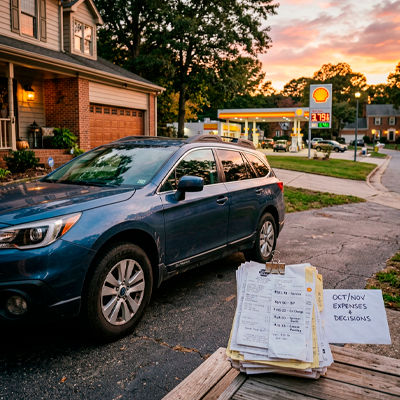
A $450 monthly payment can easily become a $750 monthly transportation expense once all ownership costs are included.
Many drivers only recognize this reality after several months of ownership. What initially appeared to be a comfortable financial commitment slowly becomes a recurring strain on household budgets.
Consider two vehicles:
Vehicle A costs $28,000
Vehicle B costs $35,000
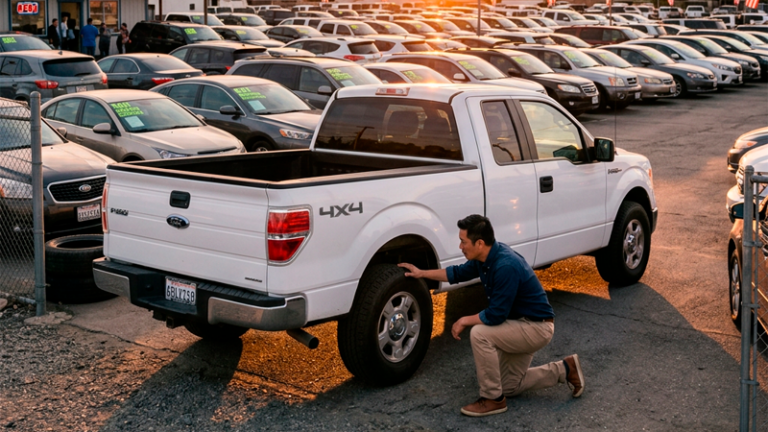
At first glance, Vehicle A appears to be the obvious bargain. However, if Vehicle B offers better fuel efficiency, lower insurance costs, and higher reliability, the long-term difference may be far smaller than expected.
The cheapest vehicle at the dealership is not automatically the cheapest vehicle in your driveway.
Consumers who focus exclusively on monthly payments often overlook expenses that continue for years.
Repair Bills Tend to Arrive at the Worst Possible Moment
Most people understand that vehicles eventually require repairs. What many underestimate is how unpredictable those repairs can be.
A transmission issue, cooling system failure, electrical malfunction, or suspension problem rarely appears when finances are comfortable. Instead, repairs often emerge during periods when households are already managing competing expenses.
Unexpected repair costs frequently create financial stress because they demand immediate action.
Unlike discretionary purchases, transportation repairs are often unavoidable. Many people depend on their vehicles for commuting, family responsibilities, and daily errands.
A single repair can quickly exceed:
$800
$1,500
$3,000
Or even more in severe cases
One major repair bill can erase years of savings generated by choosing a cheaper vehicle.
This reality explains why reliability ratings matter so much. Paying slightly more for a vehicle with a strong maintenance record can sometimes reduce long-term ownership expenses.
Many experienced buyers spend as much time researching repair history, common mechanical issues, and maintenance costs as they do comparing vehicle prices.
Fuel Spending Changes More Than People Expect
Fuel expenses often seem predictable. Drivers know they will need gasoline, and many assume the difference between vehicles is relatively minor.
In practice, fuel efficiency can dramatically influence annual transportation costs.
Imagine two drivers covering 15,000 miles per year.
One vehicle averages 22 miles per gallon while another achieves 34 miles per gallon.
Over several years, the difference can represent thousands of dollars in additional fuel spending.
Small efficiency differences become large financial differences when repeated every week for years.
This becomes particularly important for:
Long-distance commuters
Families with multiple drivers
Rideshare operators
Frequent travelers
Fuel spending often feels invisible because it occurs gradually. Unlike a large repair bill, gasoline expenses arrive in small increments. However, those increments accumulate continuously.
Many consumers discover that reducing fuel consumption provides more long-term savings than negotiating a slightly lower purchase price.
Insurance Costs Can Completely Change the Equation
Insurance is another ownership expense that surprises many buyers.
Two vehicles with similar sticker prices can produce dramatically different insurance premiums.
Factors influencing insurance costs include:
Vehicle repair costs
Theft rates
Safety ratings
Driver demographics
Geographic location
Replacement part pricing
A vehicle that appears affordable at the dealership may become expensive once insurance enters the picture.
Some drivers learn this lesson after finalizing a purchase and requesting insurance quotes afterward.
Obtaining insurance estimates before purchasing a vehicle can prevent unpleasant surprises and provide a more accurate understanding of total ownership costs.
Even a difference of $80 to $120 per month can add up to several thousand dollars over the life of ownership.
Insurance is not a side expense. It is a core ownership expense.
The Appeal of Luxury Features Sometimes Fades Quickly
Modern vehicles offer an impressive range of technology.
Large touchscreens, premium audio systems, advanced driver assistance features, panoramic roofs, heated seats, and digital displays can make a vehicle feel significantly more attractive during the buying process.
The problem is that emotional excitement often peaks during the purchase itself.
Months later, many owners discover they rarely think about some of the features that influenced their decision.
The monthly payment remains long after the novelty disappears.
This does not mean premium features lack value. For many drivers, comfort and convenience are important priorities.
However, buyers should carefully distinguish between features they will genuinely use and features that simply create excitement during a test drive.
A vehicle selected primarily for practical needs often delivers greater satisfaction than one chosen purely for short-term excitement.
Long-term ownership rewards practicality more often than impulse.
A Better Buying Decision Starts Before the Purchase
The most financially successful vehicle owners often approach the buying process differently.
Instead of asking only one question—”Can I afford the payment?”—they ask several:
What will insurance cost?
How reliable is the model?
What are typical repair expenses?
How much fuel will I use annually?
What maintenance schedule is required?
How long do I expect to keep the vehicle?
These questions focus on ownership rather than acquisition.
That distinction can make a significant difference over five, seven, or even ten years of driving.
The vehicle that creates the lowest financial stress is not always the vehicle with the lowest sticker price. It is often the vehicle that balances purchase cost, reliability, fuel efficiency, maintenance requirements, and long-term practicality.
Frequently Asked Questions
Is buying a used car always cheaper than buying new?
Not necessarily. While used vehicles typically have lower purchase prices, some may require more maintenance and repairs. The overall ownership cost depends on condition, reliability, and maintenance history.
How much should I budget annually for maintenance?
Many experts recommend setting aside at least $500 to $1,500 per year, although actual costs vary significantly depending on vehicle age, mileage, and model.
Why do insurance costs vary so much between vehicles?
Insurance companies evaluate multiple risk factors, including repair costs, accident data, theft statistics, and safety performance. Two similarly priced vehicles can have very different insurance premiums.
Should fuel economy influence a buying decision?
Absolutely. Fuel expenses accumulate continuously, making efficiency one of the most important long-term ownership factors, especially for high-mileage drivers.
Conclusion
Owning a vehicle involves much more than signing a purchase contract. The financial reality unfolds over years through insurance payments, fuel purchases, maintenance visits, repairs, and everyday operating expenses.
A smart buying decision considers the entire ownership experience, not just the sticker price.
Drivers who evaluate the full financial picture often avoid costly surprises and enjoy greater long-term satisfaction. The goal is not simply finding a vehicle that fits today’s budget. It is finding one that remains manageable, reliable, and financially comfortable for years to come.
Making that distinction can save thousands of dollars and countless headaches over the life of a vehicle.