Buying a car today is no longer just about price or design. The real challenge is understanding how that vehicle will perform financially over time. Most people focus on the purchase, but the biggest losses happen later—through depreciation, maintenance costs, and unexpected repairs.
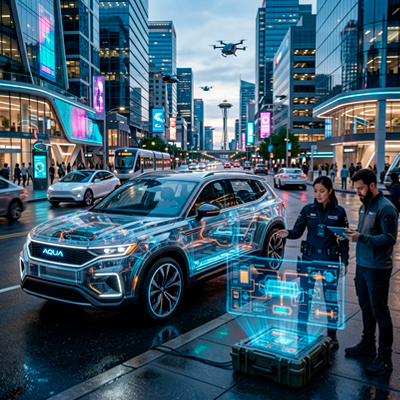
In 2026, vehicles combine mechanical systems, software, and battery technology, making ownership more complex than ever. If you don’t evaluate these factors correctly, you can lose thousands without realizing it.
What Actually Determines a Car’s Long-Term Value
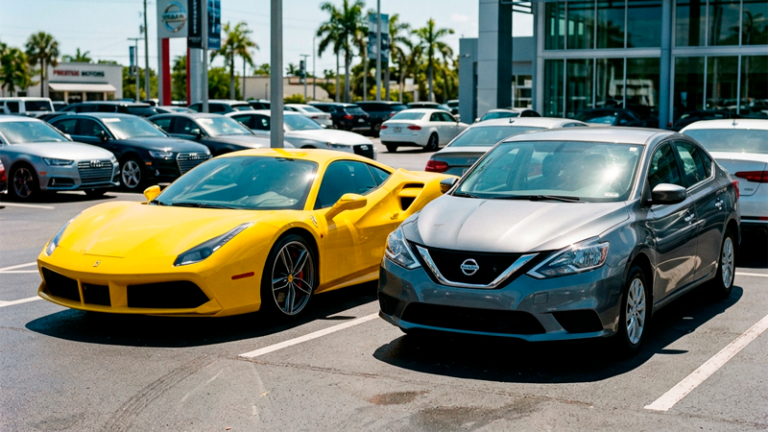
Many buyers assume depreciation is unavoidable, but some vehicles lose value much faster due to poor decision-making.
The main factors that influence value are:
Maintenance cost over time
Reliability of the model
Technology lifespan
Demand in the used market
A slightly more expensive but reliable car can save between $3,000 and $7,000 over a few years, compared to a cheaper option with frequent problems.
Why Engine Maintenance Still Matters More Than Ever
Even with the growth of electric vehicles, most cars still rely on combustion or hybrid systems. Modern engines are efficient—but less forgiving.
Key factors that impact engine lifespan:
Using high-quality synthetic oil
Following correct maintenance intervals
Monitoring temperature and cooling systems
Running periodic diagnostics
A neglected engine may fail before 60,000 miles, while a well-maintained one can surpass 150,000 miles without major issues.
That difference comes down to consistency, not luck.
Electric Vehicles: What Really Impacts Their Value
When buying an electric vehicle, mileage alone is not enough.
The most important factor is battery health (State of Health).
Things you should always check:
Battery capacity percentage
Charging behavior (fast charging vs slow charging)
Cooling system efficiency
Usage patterns
A poorly maintained battery can reduce a car’s value by 30% or more, even if the rest of the vehicle is in excellent condition.
The Hidden Cost of Modern Safety Technology
Advanced safety systems improve driving, but they also increase costs in ways most buyers don’t expect.
These systems can affect:
Insurance premiums
Repair costs
Maintenance complexity
Even a minor repair can cost over $1,500 due to sensor recalibration in bumpers or windshields.
The goal is to find a balance between safety benefits and long-term affordability.
Interior Quality Also Affects Resale Value
Interior condition plays a major role in how a car is valued in the resale market.
Modern vehicles are using:
Synthetic leather alternatives
Recycled materials
More durable finishes
A well-maintained interior can increase resale value by 10% to 20%, especially in competitive markets.
Practical Decisions That Protect Your Money
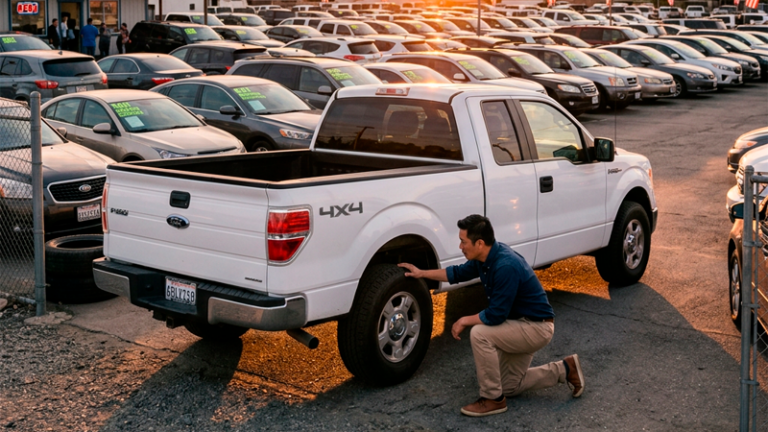
Most people lose money on cars because of what they do after buying—not during the purchase.
You can avoid that by:
Avoiding unreliable models
Keeping maintenance records organized
Fixing small issues early
Avoiding unnecessary modifications
These simple habits can save thousands over time.
Questions You Should Ask Before Buying
Will this car be easy to maintain in the future? Does it depend on expensive or specialized repairs? Is there strong demand for this model in the used market? Are the long-term costs predictable?
If you can answer these questions clearly, you’re already ahead of most buyers.
Final Thoughts
Buying a car today is not just a purchase—it’s a long-term financial decision.
The smartest approach is to focus on:
Reliability over hype
Total cost over initial price
Consistency over trends
When you think this way, you stop losing money and start making controlled, smarter decisions.