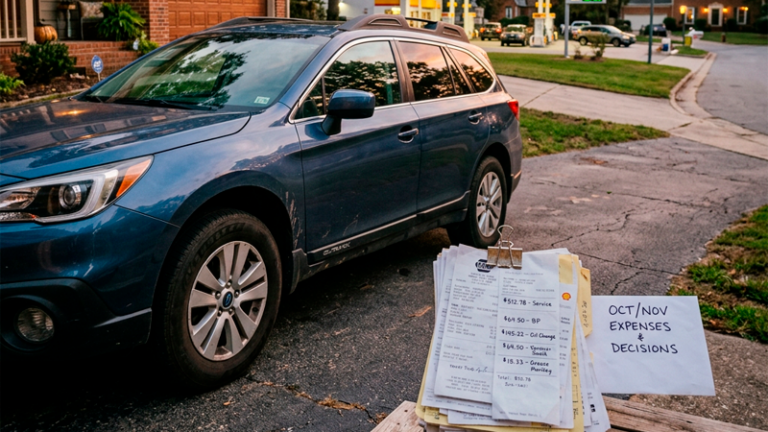
A used SUV can look like an incredible deal on paper. The purchase price seems reasonable, the vehicle appears clean, and the monthly payment fits comfortably within the budget. Many buyers stop their research at that point and assume they have found the perfect vehicle.
Several months later, reality starts to look very different.
Unexpected repairs, rising insurance premiums, expensive tire replacements, and fuel consumption often turn what appeared to be a smart purchase into a costly mistake. Some SUVs that look affordable in the dealership lot can quietly drain thousands of dollars from a household budget over the following years.
The purchase price is only one part of the ownership equation.Many buyers focus on the sticker price while overlooking long-term expenses.A vehicle that costs less upfront can sometimes become the more expensive choice over time.
Understanding these hidden costs before signing paperwork can save buyers a significant amount of money and frustration.
The Low Purchase Price That Creates a False Sense of Savings
Many shoppers naturally gravitate toward the lowest-priced option available. A used SUV listed for $15,000 may seem far more attractive than a similar model priced at $19,000.
However, there is often a reason for that difference.
Older vehicles frequently require more maintenance, and certain models have reputations for developing expensive mechanical issues as mileage increases. While every vehicle experiences wear and tear, some become substantially more expensive to maintain once they pass specific mileage thresholds.
A lower purchase price does not automatically mean a lower ownership cost.The cheapest vehicle on the lot can become the most expensive vehicle in the driveway.Many buyers discover this only after major repair bills begin to arrive.
Transmission repairs, suspension replacements, cooling system failures, and electronic problems can quickly add up. A single repair costing $2,500 to $4,000 can eliminate any savings gained from purchasing a cheaper vehicle.
Before focusing solely on price, buyers should examine maintenance history, reliability ratings, common repair issues, service records, recall history, replacement part costs, average repair frequency, and expected lifespan.
These factors often reveal the true cost of ownership.
Fuel Expenses That Quietly Grow Every Month
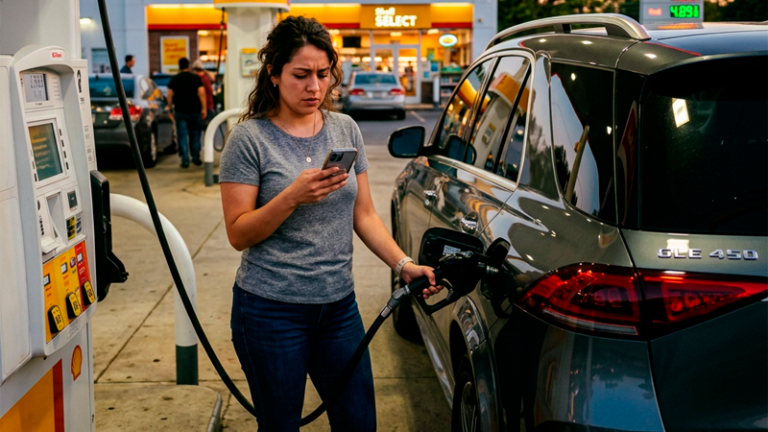
Fuel economy rarely receives the attention it deserves during the buying process.
Many SUV shoppers prioritize cargo space, seating capacity, all-wheel drive capability, technology packages, appearance, wheel size, and performance features. While those factors matter, fuel expenses can significantly impact long-term ownership costs.
A difference of just a few miles per gallon may not seem important during a test drive. Over several years, however, the financial impact becomes noticeable.
Fuel costs accumulate every single week.Small efficiency differences can create surprisingly large annual expenses.Many families underestimate how much they spend on gasoline throughout the year.
For drivers covering 15,000 miles annually, the difference between two SUVs can amount to hundreds or even thousands of dollars over time. Vehicles with larger engines may offer stronger acceleration, but they often require more frequent visits to the gas station.
Buyers should evaluate annual mileage, local fuel prices, driving habits, commuting distance, engine size, fuel efficiency ratings, hybrid alternatives, and long-term operating expenses before making a final decision.
Tires, Brakes, and Wear Items Few People Budget For
Routine maintenance sounds manageable until owners begin receiving actual invoices.
Large SUVs often require larger tires, and larger tires usually cost more money. Premium tire sets can easily exceed $1,000, especially when buyers choose reputable brands that provide better safety and durability.
Brakes create another recurring expense.
Many consumers focus heavily on engine reliability while overlooking components that wear out naturally. Brake pads, brake rotors, batteries, filters, fluids, and suspension components eventually require replacement regardless of how carefully the vehicle is driven.
Routine maintenance is predictable but frequently ignored during budgeting.Many owners prepare for loan payments but forget about ongoing service expenses.Regular maintenance costs can significantly influence the overall ownership experience.
Before purchasing a used SUV, it helps to research tire replacement costs, brake service expenses, battery lifespan, scheduled maintenance intervals, wheel sizes, replacement part availability, labor costs, and service pricing in the local market.
A realistic maintenance budget often prevents unpleasant surprises.
Insurance Premiums Can Change More Than Expected
Insurance quotes vary dramatically between vehicles.
Two SUVs with similar purchase prices can generate very different insurance costs depending on repair expenses, theft rates, safety ratings, accident statistics, and replacement part pricing.
Many buyers do not request insurance quotes until after selecting a vehicle.
That approach can be costly.
Insurance should be evaluated before committing to a purchase.Monthly premiums directly affect vehicle affordability.Some buyers discover higher insurance costs only after completing the transaction.
Factors influencing premiums include:
Vehicle age
Safety technology
Repair costs
Driver history
Location
Annual mileage
Theft statistics
Claim frequency
Obtaining multiple quotes before buying can provide a much clearer picture of long-term expenses.
Depreciation Still Matters Even When Buying Used
Many consumers assume depreciation stops being important after a vehicle becomes used.
That assumption is not always correct.
Some SUVs retain value remarkably well, while others continue losing value at a faster rate than expected. This difference becomes especially important when owners decide to trade in or sell the vehicle several years later.
A model that maintains strong resale value may effectively reduce overall ownership costs.
Depreciation represents a real financial expense even when it is not immediately visible.Resale value can dramatically influence total ownership costs.Vehicles with stronger market demand often provide better long-term value.
Researching historical resale performance, market demand, brand reputation, reliability records, ownership satisfaction ratings, vehicle popularity, used market trends, and industry data can help buyers identify models that hold their value more effectively.
The Smartest SUV Purchase Usually Isn’t the Cheapest One
Finding a good used SUV involves much more than comparing purchase prices.
The most successful buyers evaluate the entire ownership picture. They examine reliability, fuel expenses, insurance costs, maintenance requirements, depreciation, and long-term value before making a decision.
A vehicle that costs a few thousand dollars more upfront may ultimately save far more money over several years of ownership.
The best deal is not always the lowest price.Long-term affordability matters more than short-term savings.Careful research often prevents expensive mistakes that follow owners for years.
When buyers focus on total ownership costs rather than just the initial purchase price, they place themselves in a much stronger financial position and dramatically improve their chances of being satisfied with their vehicle long after leaving the dealership.
Frequently Asked Questions
Which SUV costs are most commonly overlooked by buyers?
The most overlooked expenses are typically insurance premiums, fuel costs, tire replacements, brake service, and unexpected repairs that occur after the warranty period ends.
Does a higher-priced used SUV always cost less to own?
No. However, a more expensive SUV with strong reliability ratings and lower maintenance costs may be cheaper to own over several years than a lower-priced alternative with frequent repair issues.
How important is fuel economy when choosing a used SUV?
Fuel economy can have a significant impact on ownership costs, especially for drivers who cover many miles each year. Even small efficiency differences can create meaningful long-term savings.
Should buyers get an insurance quote before purchasing a vehicle?
Yes. Comparing insurance costs before buying helps prevent surprises and provides a more accurate picture of overall affordability.
What is the best way to estimate ownership costs?
Researching maintenance history, insurance premiums, fuel expenses, depreciation trends, and reliability data provides a much clearer understanding of what a vehicle will cost over time.
Used only with old Urchin versions of Google Analytics and not with GA.js. Was used to distinguish between new sessions and visits at the end of a session.
End of session (browser)
__utmz
Contains information about the traffic source or campaign that directed user to the website. The cookie is set when the GA.js javascript is loaded and updated when data is sent to the Google Anaytics server
6 months after last activity
__utmv
Contains custom information set by the web developer via the _setCustomVar method in Google Analytics. This cookie is updated every time new data is sent to the Google Analytics server.
2 years after last activity
__utmx
Used to determine whether a user is included in an A / B or Multivariate test.
18 months
_ga
ID used to identify users
2 years
_gali
Used by Google Analytics to determine which links on a page are being clicked
30 seconds
_ga_
ID used to identify users
2 years
_gid
ID used to identify users for 24 hours after last activity
24 hours
_gat
Used to monitor number of Google Analytics server requests when using Google Tag Manager
1 minute
_gac_
Contains information related to marketing campaigns of the user. These are shared with Google AdWords / Google Ads when the Google Ads and Google Analytics accounts are linked together.
90 days
__utma
ID used to identify users and sessions
2 years after last activity
__utmt
Used to monitor number of Google Analytics server requests
10 minutes
__utmb
Used to distinguish new sessions and visits. This cookie is set when the GA.js javascript library is loaded and there is no existing __utmb cookie. The cookie is updated every time data is sent to the Google Analytics server.