Practical Vehicle Features Are Getting More Attention From Drivers

Drivers are increasingly paying attention to practical aspects when evaluating different vehicle options. Rather than focusing only on design, many individuals are observing elements such as comfort, efficiency, and ease of daily use.

This approach allows people to identify which characteristics may better support their routine, especially when vehicles are used frequently for commuting, errands, or short trips.

As more information becomes accessible, evaluating different models has become a more structured process for many drivers.

Comfort considerations influence everyday experience

Comfort plays an important role in the overall driving experience. Features related to seating position, internal space, and driving visibility may affect how convenient a vehicle feels over time.

Drivers often consider whether a vehicle provides a balanced environment that allows them to feel comfortable during both short and longer trips.

Interior organization, ease of access to controls, and general ergonomics may contribute to a more practical routine.

Vehicles designed with user-friendly layouts may help simplify daily driving activities.

When comfort aligns with functionality, the driving experience may feel more consistent and predictable.

Efficiency is often part of the evaluation process

Efficiency is commonly associated with how well a vehicle supports everyday needs without creating unnecessary complexity.

Many drivers evaluate factors such as fuel usage, maintenance predictability, and general reliability when comparing alternatives.

Vehicles that demonstrate consistent performance may be perceived as more practical for long-term use.

Efficiency may also be related to how easily a vehicle adapts to different situations, including urban environments or moderate travel distances.

Observing how efficiency aligns with personal routines may help simplify decision-making.

Balanced efficiency often contributes to more stable expectations regarding daily usability.

Technology continues supporting driving convenience

Modern vehicles frequently include features designed to assist drivers in maintaining awareness and organization.

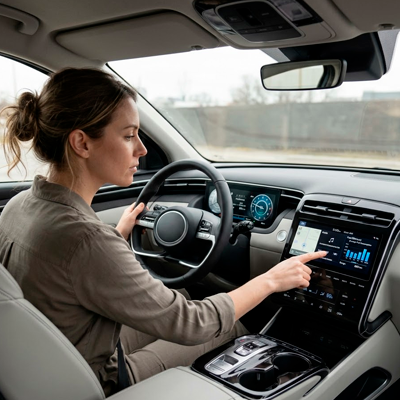
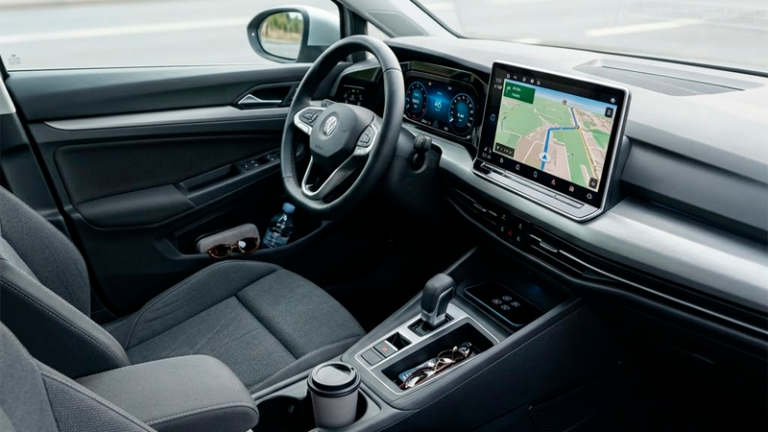
Tools related to navigation, connectivity, and driver assistance systems may help simplify certain routine tasks.

Examples of technological support may include:

  • parking assistance features
  • connectivity integration with mobile devices
  • navigation tools with real-time updates
  • dashboard information displays

These resources may contribute to a more structured driving experience without requiring complex adjustments.

Drivers often evaluate which technological features provide practical benefits instead of focusing only on novelty.

Selecting features that align with everyday needs may help maintain simplicity.

Adaptability is often considered an advantage

Vehicles that adapt well to different situations may attract attention from individuals looking for versatility.

Adaptability may refer to how easily a vehicle can be used for different purposes, such as commuting, short travel, or routine errands.

Flexible internal space, intuitive controls, and balanced performance characteristics may contribute to a more practical ownership experience.

Drivers frequently consider whether a vehicle can support multiple uses without requiring major adjustments.

Versatility may help simplify planning when routines involve different types of activities.

Evaluating adaptability may support more consistent satisfaction over time.

Balanced choices often lead to more consistent experiences

When evaluating different models, many drivers prefer solutions that combine comfort, efficiency, and usability.

Rather than focusing exclusively on a single feature, individuals often observe how multiple aspects interact to create a balanced experience.

Comparing alternatives carefully may help identify options that feel aligned with daily expectations.

As access to information continues expanding, drivers are able to observe practical characteristics more clearly.

Considering real-world usability may contribute to more practical, stable, and well-aligned vehicle choices over time.