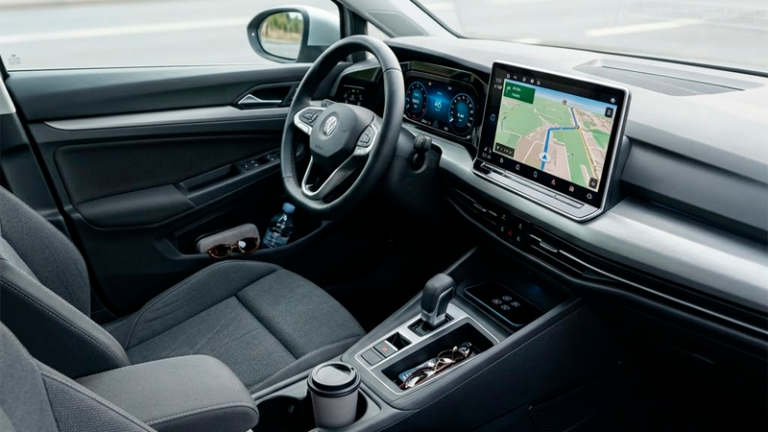
Vehicle preferences often evolve as drivers look for solutions that better match their daily routines. Instead of focusing only on appearance, many individuals are analyzing aspects such as ease of use, comfort, and practical functionality when evaluating different options.
These considerations may influence how drivers compare models and identify which features can provide more consistent support in everyday situations.
Observing how a vehicle integrates into daily activities may help individuals make more confident and balanced decisions.
Daily usability is becoming a key consideration
Many drivers prioritize vehicles that simplify routine activities such as commuting, shopping, and short-distance travel. Practical usability may influence how comfortable a vehicle feels during regular use.
Elements such as visibility, intuitive controls, and accessible internal space may contribute to a smoother driving experience.
Vehicles designed with practical usability in mind may allow drivers to complete everyday tasks more efficiently.
Drivers often observe how easily a vehicle adapts to common situations, especially when routines involve multiple stops or frequent use.
Consistency in usability may contribute to a more predictable experience over time.
When a vehicle feels intuitive, individuals may feel more comfortable integrating it into their routine.
Interior comfort can influence long-term satisfaction
Comfort is frequently associated with how enjoyable a vehicle feels during both short and longer trips. Features such as seating support, internal space distribution, and ease of adjustment may influence overall satisfaction.
Drivers often consider whether the vehicle environment allows them to maintain a comfortable posture while remaining attentive to the road.
Balanced interior design may contribute to reduced fatigue during regular use.
Comfortable vehicles may also support a more relaxed driving experience, particularly in situations involving moderate traffic or longer distances.
When comfort aligns with practicality, the overall driving experience may feel more stable.
These aspects may influence how individuals interpret the long-term usability of a vehicle.
Simplicity is becoming increasingly valued
Many drivers prefer vehicles that offer straightforward functionality without unnecessary complexity. Simple and intuitive systems may reduce the need for constant adjustments or additional learning time.
Examples of simplicity-related elements may include:
intuitive dashboard layout
accessible controls
easy interaction with essential features
clear information displays
These characteristics may contribute to a more convenient experience, especially for drivers who value efficiency.
Simplicity may also support more confident operation, allowing drivers to focus on their surroundings rather than managing complicated systems.
Practical simplicity often contributes to more consistent daily usability.
Adaptability may support different routine needs
Vehicles that adapt to various situations may attract attention from individuals seeking versatility. Adaptability may refer to how easily a vehicle supports different uses such as commuting, short trips, or general errands.
Flexible internal configurations and balanced performance characteristics may contribute to a more practical ownership experience.
Drivers often evaluate whether a vehicle can support different routine scenarios without requiring major adjustments.
Versatility may help individuals feel more prepared when routines vary throughout the week.
Observing adaptability may support more confident evaluation of available options.
Balanced adaptability may contribute to greater satisfaction over time.
Balanced choices often support better overall experience
When multiple factors such as comfort, usability, and practicality are considered together, drivers may find it easier to identify suitable options.
Rather than focusing exclusively on a single characteristic, many individuals prefer solutions that offer consistent support across different situations.
Careful comparison may help clarify which features align best with everyday needs.
As access to information continues improving, drivers are able to evaluate options more clearly and efficiently.
Considering practical usability may contribute to more stable, functional, and well-aligned vehicle choices over time.