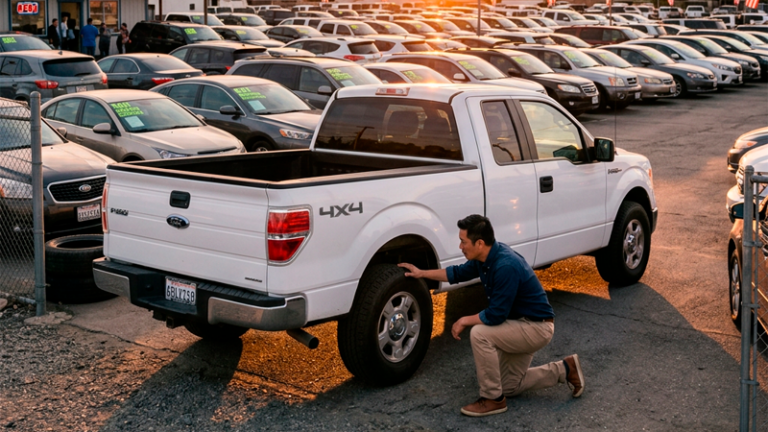
Some used cars look flawless during a quick walk around the parking lot. The paint shines, the interior smells clean, the engine starts without hesitation, and the seller confidently insists that everything has been serviced on time. Buyers often interpret those signs as proof that the vehicle has been well maintained, but appearances rarely tell the complete story. A car can hide expensive mechanical issues, previous accident damage, or poor-quality repairs that only become obvious after ownership changes hands.
Many people avoid paying for a professional inspection because they see it as an unnecessary expense. Spending $150 to $300 before buying may feel inconvenient when the purchase price already stretches the budget. That small decision, however, can prevent repair bills worth several thousand dollars.Experienced mechanics frequently discover problems that buyers never notice during a test drive.The inspection fee is often the cheapest part of the entire buying process.
Purchasing a vehicle should never depend only on emotions or attractive photos. A calm inspection creates confidence, reveals hidden costs, improves negotiation power, and reduces the chances of making a regrettable financial decision.
A Clean Exterior Can Hide Serious Mechanical Problems
Many sellers invest time and money making a vehicle look attractive before listing it online. Fresh detailing, polished headlights, new floor mats, and engine bay cleaning can dramatically improve first impressions. While there is nothing wrong with presenting a car in excellent condition, cosmetic improvements should never replace a complete mechanical evaluation.
Transmission wear, oil leaks, cooling system failures, worn suspension components, damaged bushings, uneven tire wear, electrical faults, corroded brake lines, battery charging problems, fluid contamination, rust underneath the chassis, frame damage, poor alignment, engine misfires, and hidden warning codes may remain invisible during a short visit.
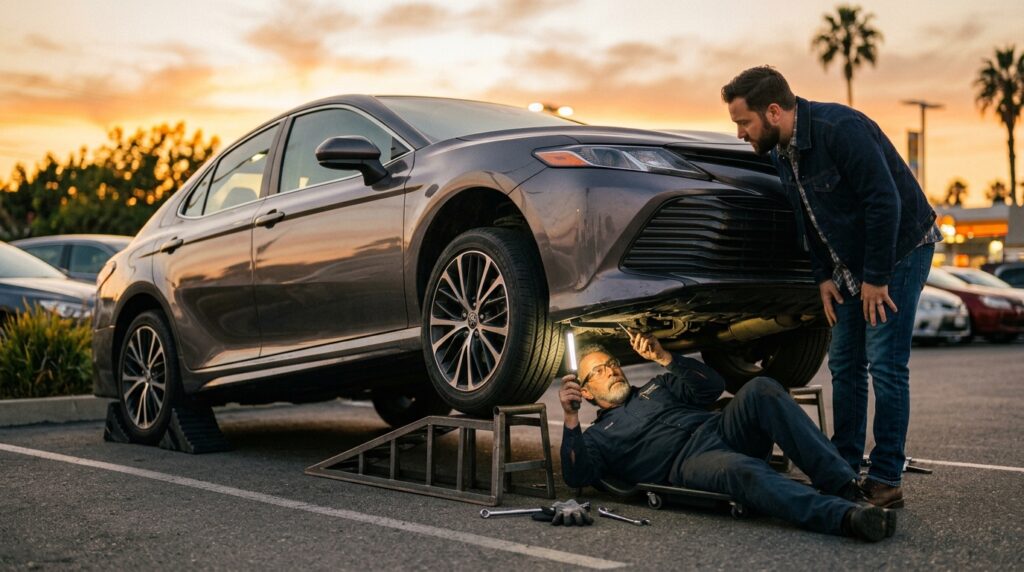
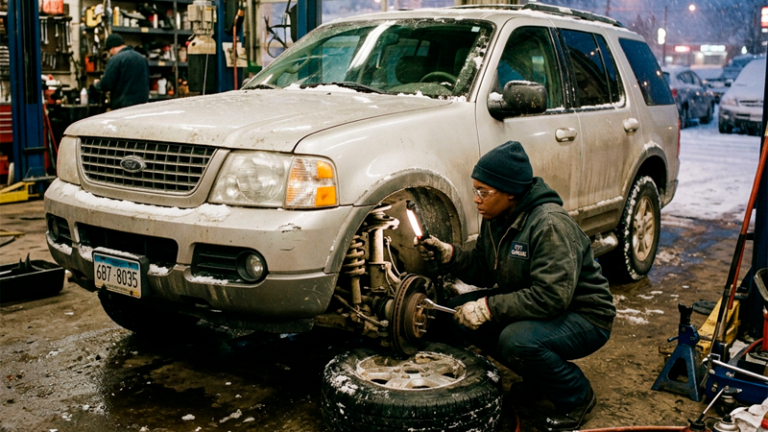
A professional inspection looks beyond what the eye naturally notices. Mechanics typically raise the vehicle, inspect vulnerable areas, connect diagnostic scanners, and verify whether previous repairs were completed correctly. Many expensive defects produce few or no symptoms during a fifteen-minute test drive.That is exactly why experienced buyers rarely skip this step.
Even vehicles with detailed maintenance records deserve careful examination. Records describe previous work, but they cannot guarantee that every repair was completed correctly or that new issues have not appeared since the last service.
Small Inspection Costs Often Prevent Much Larger Expenses
The inspection fee is usually insignificant compared to the price of unexpected repairs after purchase. Replacing a transmission, repairing a damaged engine, or correcting major suspension problems can easily cost thousands of dollars, especially on newer vehicles with complex electronics.
Buyers sometimes reject inspections because they want to save money immediately. Ironically, trying to save a few hundred dollars can create repair costs that are twenty or thirty times higher.Preventive spending almost always costs less than emergency repairs.Financial discipline before signing paperwork frequently leads to a much better ownership experience.
Another overlooked benefit involves negotiation. When an inspection identifies minor fluid leaks, aging tires, weak brakes, worn belts, battery replacement needs, air conditioning repairs, or future maintenance requirements, buyers gain objective information that supports requesting a lower purchase price.
Instead of relying on opinions, both parties can discuss documented findings. Some sellers agree to reduce the price, while others prefer fixing the issues before completing the sale. Either outcome usually benefits the buyer.
Previous Accidents Leave Clues That Professionals Recognize
Accident history is not always obvious. A vehicle may receive excellent bodywork and fresh paint while still hiding structural repairs underneath. Unless someone knows exactly where to look, these problems often remain unnoticed.
Not every repaired accident automatically makes a vehicle a poor purchase.The quality of the repair matters far more than the existence of previous damage.A thorough inspection helps separate properly repaired vehicles from those that may become ongoing mechanical headaches.
Insurance reports also fail to capture every incident. Minor collisions, privately repaired damage, and cosmetic repairs sometimes never appear in public history databases. Physical inspection therefore remains one of the most valuable parts of evaluating a used vehicle.
Private Sellers and Dealerships Both Deserve Independent Verification
Some buyers assume dealerships automatically perform complete inspections before offering vehicles for sale. Others believe private sellers know every detail about the cars they own. Reality is more complicated.
Large dealerships process hundreds of vehicles every month, while private owners may unknowingly overlook developing mechanical issues because they have become accustomed to small noises or warning lights.
Independent inspections remove assumptions from the buying process.An unbiased mechanic has no financial interest in completing the sale.Objective information allows buyers to compare facts instead of relying on promises or marketing language.
This independent perspective becomes especially valuable when purchasing high-mileage vehicles, luxury models, older SUVs, performance cars, pickup trucks used for towing, fleet vehicles, or cars with modified engines. Each category has unique wear patterns that experienced technicians recognize immediately.
Even certified pre-owned vehicles can benefit from another opinion. Certification programs vary between manufacturers, and buyers gain additional peace of mind by verifying the current condition independently.
Walking Away Can Sometimes Be the Smartest Financial Decision
Many people become emotionally attached after finding the color, trim level, or options package they have been searching for. Once that excitement builds, it becomes difficult to accept inspection results that recommend caution.
However, walking away from a questionable purchase is often a financial victory rather than a missed opportunity.There will almost always be another vehicle available tomorrow.Replacing patience with urgency is one of the most expensive mistakes used-car buyers make.
A disappointing inspection does not necessarily mean the process failed. On the contrary, discovering engine compression problems, flood damage, structural corrosion, major oil consumption, severe transmission wear, electrical modifications, improper repairs, recurring warning lights, unsafe brakes, airbag faults, coolant contamination, frame distortion, odometer inconsistencies, poor maintenance history, or active fluid leaks before purchase may save both money and frustration.
Successful car buying rarely depends on finding the first attractive listing. It depends on making informed decisions based on reliable information rather than assumptions.
Frequently Asked Questions
Should every used car receive a professional inspection?
Yes, especially when purchasing from someone you do not know.Even well-maintained vehicles can develop hidden problems over time.Professional inspections reduce uncertainty and improve buying confidence.
Can I rely only on a vehicle history report?
No. History reports provide useful information, but they may not include every repair, accident, or maintenance event. A physical inspection complements the report by evaluating the vehicle’s current condition.
Is a newer vehicle less likely to need inspection?
Newer cars generally experience fewer major problems, but manufacturing defects, poor repairs, accident damage, and maintenance neglect can affect vehicles of any age.
Who should perform the inspection?
Choose an experienced independent mechanic or a trusted inspection service that has no connection with the seller. Their goal should be evaluating the vehicle objectively rather than facilitating the sale.
Conclusion
Buying a used vehicle always involves balancing opportunity with risk. Attractive pricing, desirable features, and clean appearance certainly matter, but they should never outweigh careful evaluation. Investing a small amount in a professional inspection protects both your budget and your long-term ownership experience.The most successful buyers focus on facts instead of first impressions.A careful decision made before signing the paperwork is usually far less expensive than correcting hidden problems after the keys are already in your pocket.
Used only with old Urchin versions of Google Analytics and not with GA.js. Was used to distinguish between new sessions and visits at the end of a session.
End of session (browser)
__utmz
Contains information about the traffic source or campaign that directed user to the website. The cookie is set when the GA.js javascript is loaded and updated when data is sent to the Google Anaytics server
6 months after last activity
__utmv
Contains custom information set by the web developer via the _setCustomVar method in Google Analytics. This cookie is updated every time new data is sent to the Google Analytics server.
2 years after last activity
__utmx
Used to determine whether a user is included in an A / B or Multivariate test.
18 months
_ga
ID used to identify users
2 years
_gali
Used by Google Analytics to determine which links on a page are being clicked
30 seconds
_ga_
ID used to identify users
2 years
_gid
ID used to identify users for 24 hours after last activity
24 hours
_gat
Used to monitor number of Google Analytics server requests when using Google Tag Manager
1 minute
_gac_
Contains information related to marketing campaigns of the user. These are shared with Google AdWords / Google Ads when the Google Ads and Google Analytics accounts are linked together.
90 days
__utma
ID used to identify users and sessions
2 years after last activity
__utmt
Used to monitor number of Google Analytics server requests
10 minutes
__utmb
Used to distinguish new sessions and visits. This cookie is set when the GA.js javascript library is loaded and there is no existing __utmb cookie. The cookie is updated every time data is sent to the Google Analytics server.