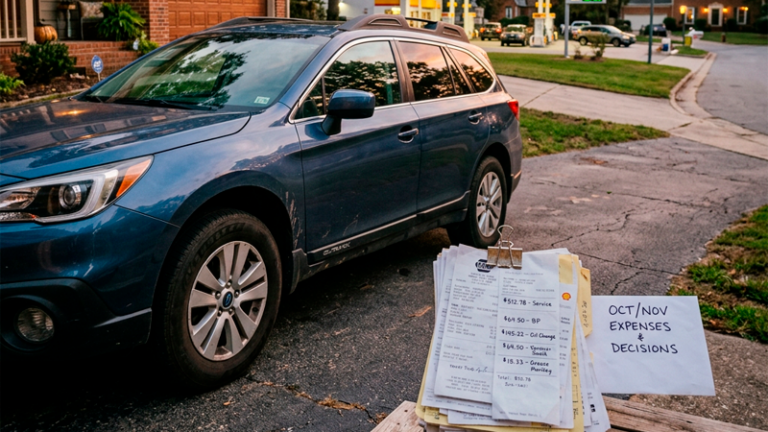
For many households, the decision to buy a vehicle feels straightforward. The focus usually lands on the monthly payment, the interest rate, and whether the vehicle fits within the family’s budget. Yet what often catches people off guard are the expenses that arrive after the purchase.
A vehicle that appears affordable on paper can become surprisingly expensive once insurance premiums, maintenance costs, fuel expenses, and depreciation losses start adding up. In many cases, the purchase price becomes only part of the story.
Many buyers discover this months after signing the paperwork.What seemed like a manageable financial commitment can slowly become a significant monthly burden.The difference between two vehicles with similar payments can amount to thousands of dollars over several years.
Understanding the full picture before making a purchase can prevent financial stress and help households make more informed decisions.
Hidden Ownership Costs That Rarely Appear in Advertisements
Vehicle advertisements often highlight low monthly payments, special financing offers, and attractive introductory rates. What they rarely emphasize is the long list of expenses that continue long after the purchase.
Insurance is one of the largest examples. Two vehicles with nearly identical purchase prices can have dramatically different insurance premiums. Factors such as repair costs, theft rates, driver demographics, and vehicle classification can all affect pricing.
Fuel costs create another major difference. A vehicle that consumes more fuel may only seem slightly less efficient at first glance, but the long-term impact can be substantial.
A difference of just a few miles per gallon can translate into hundreds or even thousands of dollars over time.Many buyers underestimate how quickly recurring expenses accumulate.Small monthly differences often become large annual expenses.
Other commonly overlooked costs include:
Registration fees
Property taxes in certain states
Parking expenses
Tire replacements
Unexpected repairs
Extended warranties
Each expense may appear manageable individually, but together they can significantly alter the total cost of ownership.
The Depreciation Problem Most Drivers Ignore
One of the largest financial losses associated with vehicle ownership is depreciation.
Unlike fuel or insurance, depreciation is often invisible because no monthly bill arrives. Nevertheless, it represents real money leaving a household’s balance sheet.
A vehicle purchased for $40,000 may lose 20% to 30% of its value during the first year alone. After several years, the difference between the purchase price and resale value can reach tens of thousands of dollars.
Depreciation affects nearly every vehicle owner, whether they realize it or not.Many people focus on the monthly payment while overlooking the asset’s declining value.The loss occurs quietly but can have a significant impact on long-term finances.
Some vehicle categories depreciate much faster than others. Luxury models, certain electric vehicles, and discontinued models sometimes experience particularly steep value declines.
Buyers who plan to trade in or sell their vehicle within a few years should pay close attention to historical resale trends before making a purchase.
Financial Pressure Often Starts With Small Decisions
Many vehicle-related financial challenges do not result from a single major mistake. Instead, they often emerge from a series of small decisions.
Adding premium trim packages, choosing expensive wheel upgrades, selecting luxury features, or extending loan terms can seem harmless during the purchase process.
The problem appears later.
A slightly higher monthly payment combined with increased insurance costs, additional maintenance expenses, and greater depreciation can create unexpected financial pressure.
The most expensive choice is not always the vehicle with the highest sticker price.Sometimes optional upgrades create the largest long-term financial impact.Small purchasing decisions can influence ownership costs for years.
Consumers frequently focus on affordability today rather than total ownership expenses over five or six years. That short-term perspective can lead to regrettable decisions later.
Comparing Total Ownership Costs Changes Everything
A growing number of financially conscious buyers evaluate vehicles differently.
Instead of comparing only monthly payments, they compare:
Estimated insurance costs
Average maintenance expenses
Fuel consumption
Expected depreciation
Warranty coverage
Repair history
Resale value trends
This broader approach often leads to very different conclusions.
For example, a vehicle with a payment that is $40 higher per month may actually be less expensive overall if it offers better fuel economy, lower insurance rates, and stronger resale value.
Looking at total ownership costs creates a more accurate financial picture.Monthly payments reveal only part of the equation.Long-term affordability depends on multiple factors working together.
Consumers who perform this deeper analysis are often better prepared to avoid financial surprises.
Budget Flexibility Matters More Than Most Buyers Expect
A vehicle purchase affects more than transportation. It influences a household’s ability to handle emergencies, save for future goals, and maintain financial stability.
When a vehicle consumes too much of a monthly budget, flexibility disappears.
Unexpected expenses such as medical bills, home repairs, or temporary income reductions become more difficult to manage. Even routine events can create stress when transportation costs are already stretching finances.
A healthy budget includes room for uncertainty.Financial stability often depends on maintaining flexibility rather than maximizing spending power.Choosing a slightly less expensive vehicle can create meaningful long-term advantages.
Many financial planners encourage consumers to focus on sustainability rather than simply qualifying for the largest loan available.
The ability to save consistently, build emergency reserves, and reduce financial stress frequently outweighs the appeal of a more expensive vehicle.
Final Thoughts
Buying a vehicle involves much more than selecting a monthly payment that fits a budget. Insurance, fuel, maintenance, depreciation, and long-term ownership costs all contribute to the real financial impact of the purchase.
Many households discover these expenses only after they have already committed to a vehicle. Taking time to evaluate the complete ownership picture can help avoid unnecessary financial strain and support better long-term decision-making.
A vehicle should serve a household’s needs without limiting future financial opportunities. Looking beyond the monthly payment is often the first step toward making a smarter purchase.
Frequently Asked Questions
Which ownership cost surprises buyers the most?
For many consumers, depreciation becomes the largest surprise because it is not a visible monthly expense, yet it can represent thousands of dollars in lost value over time.
Does a lower monthly payment always mean a cheaper vehicle?
No. A vehicle with a lower payment may still generate higher costs through insurance, fuel consumption, maintenance, or poor resale value.
Why is insurance so important when comparing vehicles?
Insurance premiums can vary significantly between models. Over several years, those differences can add up to hundreds or even thousands of dollars.
What is the biggest mistake buyers make?
Many buyers focus only on the purchase price or monthly payment while ignoring total ownership costs, which creates an incomplete financial picture.
Used only with old Urchin versions of Google Analytics and not with GA.js. Was used to distinguish between new sessions and visits at the end of a session.
End of session (browser)
__utmz
Contains information about the traffic source or campaign that directed user to the website. The cookie is set when the GA.js javascript is loaded and updated when data is sent to the Google Anaytics server
6 months after last activity
__utmv
Contains custom information set by the web developer via the _setCustomVar method in Google Analytics. This cookie is updated every time new data is sent to the Google Analytics server.
2 years after last activity
__utmx
Used to determine whether a user is included in an A / B or Multivariate test.
18 months
_ga
ID used to identify users
2 years
_gali
Used by Google Analytics to determine which links on a page are being clicked
30 seconds
_ga_
ID used to identify users
2 years
_gid
ID used to identify users for 24 hours after last activity
24 hours
_gat
Used to monitor number of Google Analytics server requests when using Google Tag Manager
1 minute
_gac_
Contains information related to marketing campaigns of the user. These are shared with Google AdWords / Google Ads when the Google Ads and Google Analytics accounts are linked together.
90 days
__utma
ID used to identify users and sessions
2 years after last activity
__utmt
Used to monitor number of Google Analytics server requests
10 minutes
__utmb
Used to distinguish new sessions and visits. This cookie is set when the GA.js javascript library is loaded and there is no existing __utmb cookie. The cookie is updated every time data is sent to the Google Analytics server.