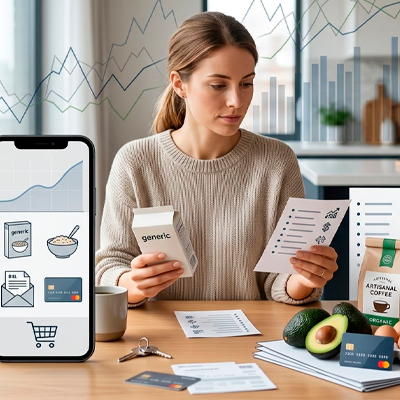
Economic conditions often shift gradually, yet their effects can influence daily choices more than many people realize. Variations in employment levels, production activity, and consumer confidence can all contribute to how individuals evaluate purchases, savings strategies, and future plans.
While major economic events often receive the most attention, smaller changes can also affect how households organize their priorities. Observing these patterns may help people feel more prepared when adjusting their expectations or reviewing their financial habits.
Why economic stability can affect confidence
When economic conditions appear stable, individuals often feel more comfortable making medium or long-term decisions. This may include planning purchases, evaluating service options, or organizing monthly budgets with greater predictability.
Confidence levels often influence whether consumers prefer to act immediately or wait for clearer conditions. Even subtle signals such as changes in employment trends or business activity may shape how people perceive future opportunities.
Periods of stability may encourage individuals to prioritize improvements that contribute to comfort, efficiency, or long-term organization.
Small economic signals can influence planning
Economic changes do not always occur suddenly. In many situations, gradual shifts allow households to adjust their expectations step by step.
For example, variations in production costs or resource availability may influence how companies structure their pricing. These adjustments can indirectly affect how individuals prioritize purchases or evaluate alternatives available in the market.
Being attentive to these signals may help people maintain flexibility when planning future expenses or reviewing financial strategies.
Many individuals prefer to maintain a balanced approach, avoiding decisions that could create unnecessary pressure on their monthly organization.
The role of expectations in decision-making
Expectations about future economic conditions can influence behavior even before major changes occur. When individuals anticipate possible adjustments in the market, they may adopt more cautious or more strategic approaches depending on their goals.
This does not necessarily mean reducing spending entirely. Instead, many people choose to focus on options that provide practical value, useful functionality, and long-term relevance.
Understanding how expectations shape decisions may help individuals feel more confident when evaluating different opportunities available in the market.
How information availability supports better evaluation
Access to reliable information allows individuals to observe economic patterns more clearly. News updates, market reports, and public data can provide insights that help people interpret how conditions are evolving.
Rather than reacting impulsively, many consumers prefer to gather information before making adjustments to their plans. This approach may reduce uncertainty and contribute to more consistent decision-making over time.
Digital access has made it easier to compare scenarios, observe trends, and evaluate how different factors may influence financial organization.
As a result, people can develop strategies that align with both current needs and future expectations.
Long-term perspective can improve financial organization
Short-term changes may sometimes appear more significant than they actually are. Observing economic conditions from a broader perspective may help individuals avoid decisions based solely on temporary fluctuations.
Many households benefit from maintaining a structured approach that considers both immediate priorities and future possibilities.
Gradual adjustments often allow individuals to maintain balance without making drastic changes to their routines.
Focusing on consistent organization may contribute to improved clarity when evaluating opportunities that arise over time.
Even during periods of uncertainty, maintaining awareness of economic conditions may help individuals feel more prepared to adapt when necessary.
Understanding how economic elements interact with daily decisions can support more stable, flexible, and practical choices in the long run.