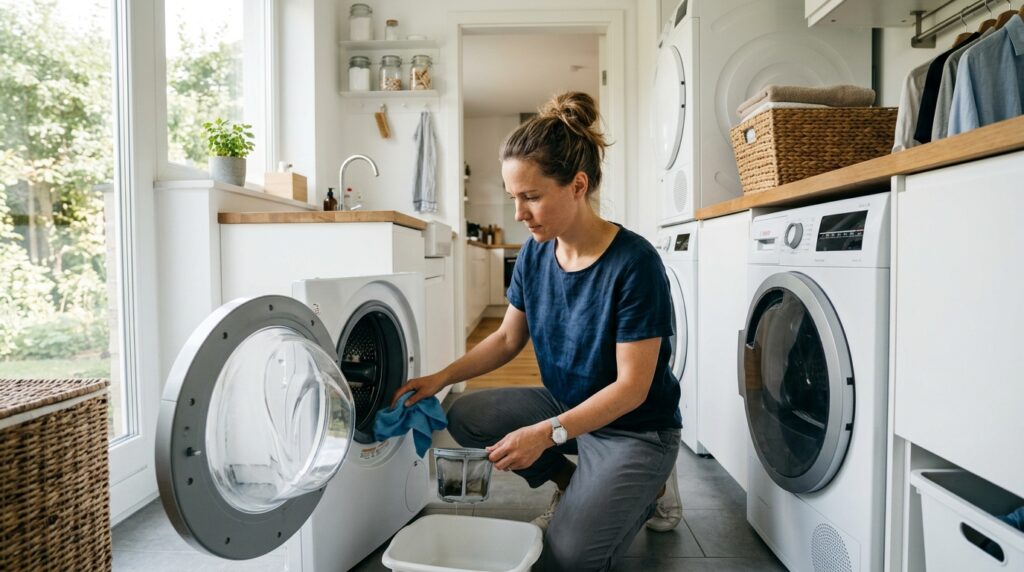
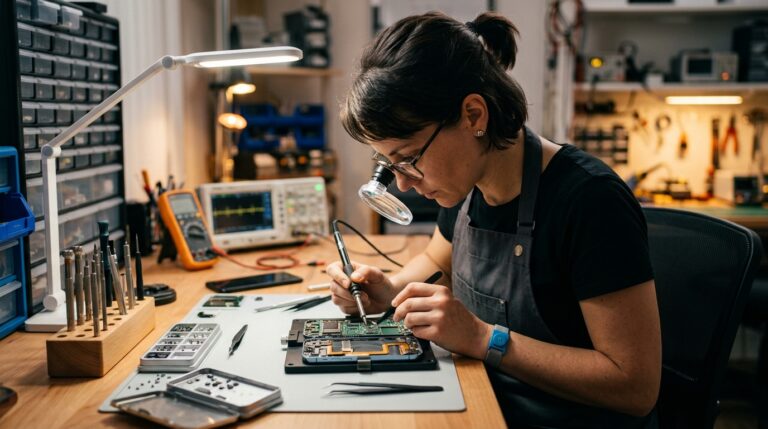
The instinct to replace rather than restore is a powerful force in the modern household. When a machine stops mid-cycle or a motor starts making an unfamiliar sound, the path of least resistance often leads directly to the nearest appliance showroom. Yet, as we move through 2026, the economic landscape is forcing a reevaluation of this impulsive behavior. Rapidly increasing prices for home systems, paired with supply chain instabilities that delay new deliveries, have fundamentally changed the value proposition of a repair. Homeowners are now realizing that investing in the longevity of existing equipment is often the most sensible financial move they can make this year.
Rethinking the Value of Existing Household Assets
It is a common misconception that newer is always inherently better or more efficient. In reality, the depreciation curve of major appliances is remarkably steep. Once you purchase a brand-new unit and have it installed, its resale value plummets almost instantly, meaning your return on investment is tied entirely to how many years of service you can extract from it. By opting for a quality repair, you are effectively extending the life of a depreciated asset while avoiding the premium markups associated with the newest, “smarter” models currently flooding the market.
Many families are discovering that maintaining their current machines provides a level of reliability that new, overly digitized units often lack. When you analyze the cumulative cost of ownership, paying a professional to replace a worn-out pump or a faulty switch is a fraction of the expense of a full replacement. Furthermore, by avoiding the hassle of removal, disposal fees, and installation charges, you keep your discretionary income intact. It is a calculated approach to home economics that prioritizes long-term stability over the fleeting convenience of a shiny new exterior.
The Hidden Variable of Repair Complexity
Not every failure deserves an immediate repair, and understanding the nuance of your specific situation is critical. The primary cost driver in any service call is labor, not necessarily the spare part itself. If a technician requires five hours of manual labor to reach a component, the economic reality of that repair shifts significantly. Being aware of the internal accessibility of your appliances is a skill that pays off during the initial purchase, but it is also essential when you face a mid-life crisis with your equipment.
Always ask a technician for a breakdown of the time versus the cost of the replacement part before giving the go-ahead. If the machine is engineered in a way that makes standard maintenance impossible, the long-term costs will inevitably spiral. You should be wary of units that require proprietary tools for even basic service adjustments, as these are designed to force you into a service contract or a replacement cycle. Choosing repairable designs is the single most effective way to lower your total cost of ownership over the next decade.
Navigating the Replacement Threshold
While repair is often the better choice, there are distinct moments where replacement becomes the rational decision. A good rule of thumb is to evaluate the energy efficiency gap between your current unit and a potential successor. If your refrigerator is twenty years old, its energy consumption is likely significantly higher than a modern, high-efficiency model. In this specific scenario, the accumulated savings on your monthly utility bills can offset the price of a new unit within a few years.
However, do not let the promise of energy savings blind you to the reality of manufacturing quality. Many modern machines are built with shorter lifespans than their predecessors, meaning you might trade a high energy bill for the risk of a premature system failure three years down the line. When you weigh the options, consider the total lifecycle cost rather than just the initial price tag. An honest conversation with a technician about your specific model’s history can provide the clarity you need to decide if you are dealing with a one-time fluke or the beginning of a cycle of constant, expensive repairs.
Establishing a Proactive Care Routine
The most successful homeowners treat their appliances like their vehicles, following a consistent schedule of preventative care. Waiting for a complete breakdown is a high-risk strategy that rarely results in a favorable outcome. Regular cleaning of debris from intake vents and coils prevents thermal overload, which is the leading cause of electronic board failure. When you take the initiative to perform these small, non-invasive tasks, you are directly impacting the lifespan and performance of your most expensive household tools.
Taking fifteen minutes each season to inspect your machines for leaks or vibration changes can prevent thousands of dollars in secondary damage. This level of engagement transforms you from a passive consumer into an active manager of your home’s infrastructure. By catching issues before they trigger a cascade of errors, you ensure that your appliances remain in the “sweet spot” of efficiency and reliability. This is how you beat the obsolescence trap and ensure that your household continues to run smoothly without the need for constant, costly interventions.
FAQ: Questions on Household Maintenance
How do I know if a part is worth replacing or if it’s a symptom of deeper issues?
If the failure is mechanical, such as a worn belt or a broken seal, it is usually a localized issue that can be repaired affordably. However, if the issue is with the main logic board or central processor, it is often a sign of a failing system. Multiple electronic faults usually signal that the machine is nearing its functional end.
Are independent repair services safer than manufacturer support?
Often, independent technicians are more invested in the reputation of their local business than a generic service call center. They are more likely to offer honest assessments regarding the feasibility of a repair. Always prioritize technicians who provide a written warranty on both labor and the parts installed.
What is the best way to prevent future repair costs?
The most effective strategy is to avoid overloading your appliances and to strictly follow the manufacturer’s user manual for weight and volume limits. Overuse, particularly with washing machines and dryers, is the number one cause of premature mechanical stress. By operating your equipment within its designed parameters, you drastically reduce the wear and tear that leads to unexpected repair visits.
Used only with old Urchin versions of Google Analytics and not with GA.js. Was used to distinguish between new sessions and visits at the end of a session.
End of session (browser)
__utmz
Contains information about the traffic source or campaign that directed user to the website. The cookie is set when the GA.js javascript is loaded and updated when data is sent to the Google Anaytics server
6 months after last activity
__utmv
Contains custom information set by the web developer via the _setCustomVar method in Google Analytics. This cookie is updated every time new data is sent to the Google Analytics server.
2 years after last activity
__utmx
Used to determine whether a user is included in an A / B or Multivariate test.
18 months
_ga
ID used to identify users
2 years
_gali
Used by Google Analytics to determine which links on a page are being clicked
30 seconds
_ga_
ID used to identify users
2 years
_gid
ID used to identify users for 24 hours after last activity
24 hours
_gat
Used to monitor number of Google Analytics server requests when using Google Tag Manager
1 minute
_gac_
Contains information related to marketing campaigns of the user. These are shared with Google AdWords / Google Ads when the Google Ads and Google Analytics accounts are linked together.
90 days
__utma
ID used to identify users and sessions
2 years after last activity
__utmt
Used to monitor number of Google Analytics server requests
10 minutes
__utmb
Used to distinguish new sessions and visits. This cookie is set when the GA.js javascript library is loaded and there is no existing __utmb cookie. The cookie is updated every time data is sent to the Google Analytics server.