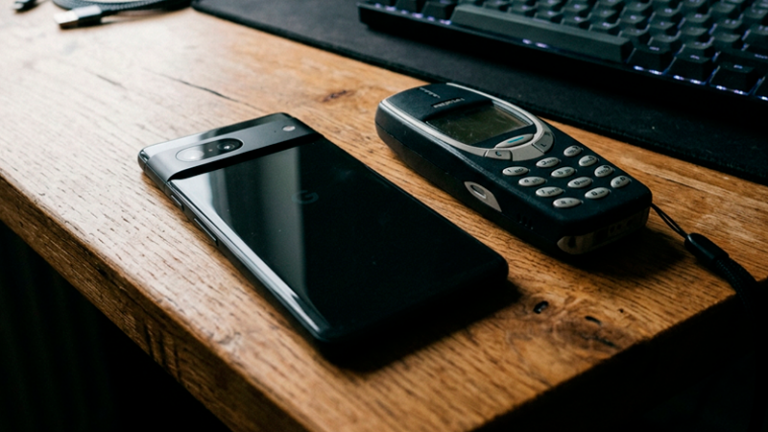
For years, most Americans viewed technology as a one-time purchase. You bought a laptop, paid for a phone, maybe upgraded your television every few years, and that was the end of the financial commitment. That reality changed faster than many consumers realized.
Today, a surprising amount of personal technology no longer belongs entirely to the buyer. Monthly payments, subscription access, cloud dependency, and locked software ecosystems quietly transformed the way people spend money on devices they already own.
A smartphone that costs $999 rarely stays a $999 purchase anymore. By the time cloud storage, music streaming, AI tools, productivity apps, extended warranties, and premium memberships are added, many consumers end up spending thousands of dollars per year inside a single ecosystem.
What once felt convenient slowly became financially invisible. Small recurring charges spread across multiple platforms now drain budgets in ways many households barely track.
And unlike traditional bills, these expenses often feel emotionally justified because each service appears “useful” on its own.
Tiny Monthly Charges That Quietly Become Massive Annual Costs
One subscription rarely causes financial problems. The issue usually begins when several small payments start stacking together across multiple devices and services.
A common household today may pay for:
Cloud storage
Streaming platforms
Gaming memberships
Password managers
AI writing tools
VPN services
Photo editing apps
Music subscriptions
Smart home services
Phone financing plans
Individually, many of these services cost between $5 and $25 per month. That sounds manageable at first glance. But consumers often underestimate how aggressively those numbers compound over time.
A household spending:
$12 monthly on music
$18 monthly on cloud storage
$20 monthly on streaming
$15 monthly on productivity tools
$25 monthly on phone protection
$30 monthly financing a device
can quietly reach more than $1,400 per year before accounting for internet bills, device upgrades, accessories, or taxes.
Many people still think of subscriptions as “small purchases,” even when the yearly total starts rivaling vacation budgets or car insurance costs.
That shift became especially noticeable after remote work expanded across the United States. Millions of workers began depending on digital tools daily, making subscriptions feel less optional and more like permanent utility bills.
Modern Devices No Longer Feel Fully Owned
One of the biggest psychological changes in modern technology is the growing feeling that users are renting experiences instead of owning products.
Years ago, software typically came as a complete package. You purchased it once, installed it, and used it for years. Now many major companies moved toward recurring billing models that require continuous payments to maintain access to features, storage, or updates.
Consumers accepted convenience, but often lost long-term control in the process.
A photographer may spend:
$20 monthly on editing software
$10 monthly on cloud backups
$15 monthly on AI enhancement tools
That can surpass $500 annually for software access alone.
Students face similar pressure. Many college users now depend on paid ecosystems for note-taking apps, organization platforms, premium AI tools, and collaboration software. What used to require only a laptop now often includes an entire stack of recurring expenses.
The emotional effect becomes surprisingly powerful because subscriptions create dependency gradually rather than instantly.
Once years of files, photos, passwords, and workflows become tied to a specific ecosystem, leaving feels difficult. Some users continue paying simply because migrating everything elsewhere feels exhausting.
Upgrade Culture Became More Emotional Than Practical
Technology companies became exceptionally skilled at turning minor improvements into emotional purchasing decisions.
Modern advertising rarely focuses only on technical performance anymore. Instead, campaigns emphasize:
lifestyle
status
identity
productivity
social relevance
creative ambition
A phone camera improvement that most users barely notice during everyday life can still generate enormous upgrade pressure online.
Social media intensified this behavior dramatically. Consumers constantly see creators showcasing:
minimalist desk setups
premium gaming rooms
high-end tablets
ultra-thin laptops
wireless ecosystems
luxury accessories
After repeated exposure, older devices begin feeling outdated even when they still function perfectly.
A laptop that handles work efficiently suddenly feels “slow” mainly because newer devices look cleaner, thinner, or trendier online.
That emotional cycle became one of the strongest financial drivers inside modern consumer technology.
Families Are Spending More While Using Devices Longer
An interesting contradiction appeared over the last few years. Many Americans now keep devices longer than before, yet overall technology spending continues increasing.
Part of this comes from rising device prices. Flagship smartphones regularly exceed $1,000, while premium laptops can cost between $1,500 and $3,000.
But the larger issue involves everything surrounding the device itself.
A modern phone purchase may include:
insurance plans
wireless earbuds
fast chargers
cloud subscriptions
premium app memberships
screen replacement coverage
accessories
AI features hidden behind subscriptions
The ecosystem around the product became more profitable than the hardware itself in many cases.
Families also face growing pressure from children and teenagers who increasingly rely on digital services for entertainment, communication, gaming, education, and social interaction.
Parents who once paid for:
a television,
a family computer,
and internet access
may now manage multiple subscriptions simultaneously across several devices per child.
Technology spending evolved from occasional purchasing into continuous maintenance.
Free Services Are Becoming Less Useful Over Time
Another subtle shift frustrating many consumers involves the declining quality of free software tiers.
Apps and platforms that once offered generous free access now frequently restrict:
storage limits
editing features
AI functionality
export quality
device syncing
offline access
This creates a gradual pressure system where users feel pushed toward paid plans simply to restore convenience they previously had for free.
Many consumers do not notice this pattern immediately because changes happen slowly through updates and feature adjustments.
A cloud storage platform might first reduce backup flexibility. Months later, syncing becomes limited. Eventually, notifications appear constantly encouraging upgrades.
Over time, the “free” experience becomes intentionally inconvenient enough that paying feels unavoidable.
That strategy became common across productivity software, mobile apps, streaming platforms, and AI tools.
The Financial Burnout Behind Digital Convenience
Technology still improves modern life in countless ways. Remote work, online education, navigation apps, digital banking, and cloud collaboration genuinely increased efficiency for millions of people.
The issue is not technology itself.
The issue is how invisible recurring spending became inside modern digital culture.
Many consumers no longer evaluate technology purchases as isolated decisions. Instead, they slowly enter ecosystems filled with interconnected monthly costs that continue growing year after year.
A person trying to reduce expenses may cancel restaurant visits, delay vacations, or cut entertainment spending while still losing hundreds of dollars monthly through forgotten subscriptions and upgrade cycles.
That financial fatigue became especially noticeable among younger adults balancing:
student debt
high rent
car payments
insurance costs
rising grocery prices
digital subscriptions
Convenience remains attractive, but more consumers are beginning to question whether every recurring payment actually improves daily life enough to justify the cost.
And in many households, that conversation is finally becoming impossible to ignore.
FAQ
Which technology subscriptions cost consumers the most over time
Some of the most expensive long-term categories include cloud storage, streaming bundles, software memberships, phone financing plans, and AI productivity tools. Individually they may appear affordable, but combined yearly costs can easily exceed $2,000 to $4,000 for some households.
Why do people keep paying for subscriptions they barely use
Many subscriptions continue because cancellation feels inconvenient, automatic billing hides spending patterns, or users fear losing files, photos, or saved data connected to the service. Psychological dependency often becomes stronger than actual usage.
Are premium devices still worth buying
That depends heavily on usage habits. For professionals working with video editing, graphic design, or high-performance software, premium devices may provide clear value. For average users mainly browsing social media, streaming content, and messaging, mid-range products often deliver similar daily experiences for far lower costs.
Can subscription fatigue affect financial planning
Yes. Recurring digital expenses can quietly reduce savings potential over time. Many consumers underestimate how much monthly subscriptions affect emergency funds, investment goals, or debt repayment capacity.
Conclusion
Technology became deeply integrated into modern American life, but the financial model behind it changed dramatically over the last decade. Consumers are no longer simply buying products. In many cases, they are entering long-term ecosystems designed around recurring payments and constant engagement.
Some subscriptions genuinely improve productivity and convenience. Others quietly remain active because canceling feels easier tomorrow than today.
The difference between useful technology spending and financial drain often comes down to awareness. People who actively track recurring digital costs usually make far better long-term decisions than those treating every subscription as “just another small monthly charge.”
As devices, software, and AI services continue evolving, one thing is becoming increasingly clear: convenience may feel invisible in the moment, but its long-term cost rarely stays invisible forever.
Used only with old Urchin versions of Google Analytics and not with GA.js. Was used to distinguish between new sessions and visits at the end of a session.
End of session (browser)
__utmz
Contains information about the traffic source or campaign that directed user to the website. The cookie is set when the GA.js javascript is loaded and updated when data is sent to the Google Anaytics server
6 months after last activity
__utmv
Contains custom information set by the web developer via the _setCustomVar method in Google Analytics. This cookie is updated every time new data is sent to the Google Analytics server.
2 years after last activity
__utmx
Used to determine whether a user is included in an A / B or Multivariate test.
18 months
_ga
ID used to identify users
2 years
_gali
Used by Google Analytics to determine which links on a page are being clicked
30 seconds
_ga_
ID used to identify users
2 years
_gid
ID used to identify users for 24 hours after last activity
24 hours
_gat
Used to monitor number of Google Analytics server requests when using Google Tag Manager
1 minute
_gac_
Contains information related to marketing campaigns of the user. These are shared with Google AdWords / Google Ads when the Google Ads and Google Analytics accounts are linked together.
90 days
__utma
ID used to identify users and sessions
2 years after last activity
__utmt
Used to monitor number of Google Analytics server requests
10 minutes
__utmb
Used to distinguish new sessions and visits. This cookie is set when the GA.js javascript library is loaded and there is no existing __utmb cookie. The cookie is updated every time data is sent to the Google Analytics server.