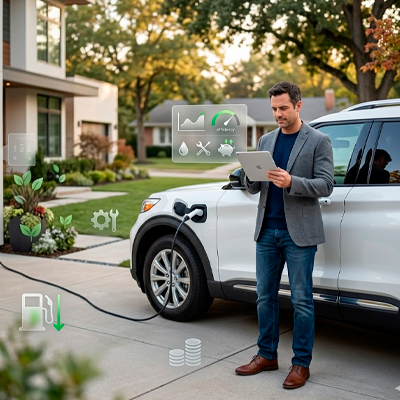
When individuals consider owning a vehicle, the initial price is often only one part of the overall financial picture. Over time, several factors can influence the total cost associated with maintaining and using a vehicle. Understanding these elements helps create a clearer expectation of long-term expenses and allows individuals to prepare more effectively.
Many drivers focus on monthly affordability, but long-term ownership costs may include maintenance, fuel consumption, insurance, and depreciation. Evaluating these aspects in advance may help reduce unexpected expenses and improve overall planning.
Having visibility over these factors can support more balanced decision-making and prevent financial surprises in the future.
Fuel Efficiency Can Influence Monthly Expenses ⛽
Fuel consumption is often one of the most noticeable ongoing costs. Vehicles with higher fuel efficiency typically require less frequent refueling, which may reduce monthly expenses over time.
Even small differences in fuel consumption can generate meaningful savings depending on how frequently the vehicle is used.
Key considerations include:
• average distance driven per week • fuel price variation • engine efficiency • driving conditions
Drivers who travel longer distances regularly may notice a greater impact from fuel efficiency differences.
Maintenance Frequency May Affect Long-Term Budget 🔧
Regular maintenance helps preserve vehicle performance and reliability. Routine services such as oil changes, brake inspections, and tire replacements contribute to overall vehicle condition.
Ignoring maintenance may increase the risk of mechanical issues, which can lead to higher repair costs.
Common maintenance elements include:
• oil and filter replacement • brake system inspection • tire condition monitoring • battery performance checks
Preventive maintenance may help reduce the likelihood of unexpected expenses.
Comparison of Typical Vehicle Cost Factors
Cost Factor
Potential Impact Over Time
Fuel consumption
influences monthly expenses
Maintenance frequency
affects reliability and repair costs
Insurance value
contributes to yearly budget planning
Tire replacement
impacts periodic expenses
Depreciation
affects resale value
Understanding these elements allows individuals to better estimate the financial commitment associated with vehicle ownership.
Insurance Can Vary Based on Several Elements 📊
Insurance costs may vary depending on vehicle characteristics, location, and driver profile. Some vehicles may have higher insurance costs due to repair complexity or replacement value.
Factors influencing insurance may include:
• vehicle model • estimated repair cost • driver history • coverage type selected
Reviewing available insurance options may help identify plans that align with individual preferences.
Depreciation Influences Long-Term Value 📉
Depreciation refers to the gradual reduction of a vehicle’s market value over time. Some vehicles maintain value more consistently, while others may experience faster depreciation.
Depreciation may influence:
resale opportunities trade-in value long-term financial planning
While depreciation affects most vehicles, the rate may vary depending on demand, reliability perception, and market conditions.
Estimated Impact of Ownership Elements
Ownership Element
Financial Influence
Fuel efficiency
affects recurring expenses
Maintenance routine
supports consistent performance
Insurance cost
impacts annual budget
Depreciation rate
influences long-term value
Usage frequency
determines wear level
Evaluating these aspects together helps create a broader understanding of vehicle-related costs.
Driving Habits Also Influence Costs 🚦
Driving behavior may influence fuel efficiency, tire wear, and maintenance frequency. Smooth acceleration and consistent speed may contribute to more stable consumption patterns.
Small adjustments in driving patterns may contribute to more efficient vehicle usage.
Planning Helps Reduce Unexpected Expenses 📅
Preparing for recurring vehicle expenses may help individuals manage financial expectations more comfortably. Creating a simple estimate of possible costs allows drivers to anticipate periodic maintenance and operational needs.
Considering multiple factors together often results in a more realistic understanding of ownership responsibilities.
Over time, this awareness may help individuals maintain better control over transportation-related expenses and make adjustments when necessary.